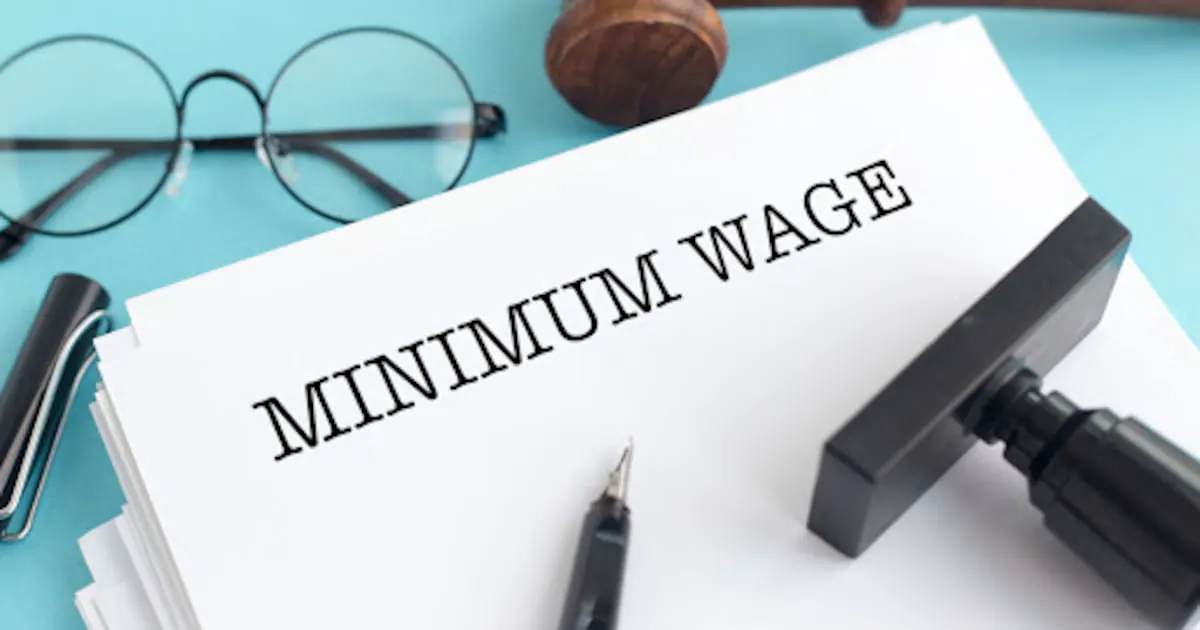
The National Minimum Wage Commission has identified rural regions in the Eastern Cape, KwaZulu-Natal, and the Free State as having high noncompliance rates with the legislated national minimum wage. The regions of Joe Gqabi in the Eastern Cape, uThukela and Harry Gwala in KwaZulu-Natal, and Thabo Mofutsanyana in the Free State had the highest noncompliance rates. These areas are predominantly rural districts with relatively low average wage levels and limited economic diversification.
The commission's report noted that these regions have high concentrations of agriculture and low-skilled service employment, which may contribute to the high noncompliance rates. In-kind payment may also account for a larger share of worker wages bills in these areas, which is not recorded in the data used by the commission. In contrast, large metropolitan and more economically developed districts have the lowest noncompliance rates.
The City of Tshwane in Gauteng, Overberg in the Western Cape, Mangaung in the Free State, City of Cape Town in the Western Cape, and Nelson Mandela Bay in the Eastern Cape have the lowest noncompliance rates. These areas are home to various industries, including vehicle manufacturing. Tshwane hosts vehicle manufacturers such as BMW, Ford, and Chery, while Nelson Mandela Bay is home to original equipment manufacturers like VW, Isuzu, BAIC, and FAW.
Trade unions operating in the car sector, including the National Union of Metalworkers of SA (Numsa), have been successful in securing above-inflation wage increases and better conditions of employment. In late 2025, Numsa secured a three-year wage agreement with the seven original equipment manufacturers representing the country's multibillion-rand car sector. The agreement will see workers receiving increases of 7% in July 2025 and 5.5% in the outer years.
The current national minimum wage is R30.23 per hour, and organised labour is pushing for an increase to R33 per hour from March 1, 2027. The Federation of Unions of SA (Fedusa) said the proposed increase represents about 9.2%, or R2.77 more per hour, and would raise the monthly earnings of a worker working a 40-hour week to about R5,720 before deductions.
Fedusa argues that the gap between the statutory minimum and the cost of meeting basic needs is significant. According to the Pietermaritzburg Economic Justice & Dignity Group, the average household food basket cost R5,479.80 in August 2026, while the basic nutritional food basket stood at R6,597.25. For a worker earning the current national minimum wage, these figures demonstrate how little income remains once basic necessities are taken into account.
Fedusa believes that a deliberate, credible, and progressive pathway from the minimum wage towards a living wage is necessary. The federation sees the proposed R33 per hour as a responsible transitional step towards closing the gap between the statutory minimum and a living wage. This increase would provide workers and their families with greater economic security, dignity, and a realistic opportunity to improve their standard of living.
Key points
- The National Minimum Wage Commission has identified rural regions in the Eastern Cape, KwaZulu-Natal, and the Free State as having high noncompliance rates with the national minimum wage.
- The proposed increase to R33 per hour represents about 9.2%, or R2.77 more per hour, and would raise the monthly earnings of a worker working a 40-hour week to about R5,720 before deductions.
- Fedusa argues that a deliberate, credible, and progressive pathway from the minimum wage towards a living wage is necessary to provide workers with greater economic security, dignity, and a realistic opportunity to improve their standard of living.