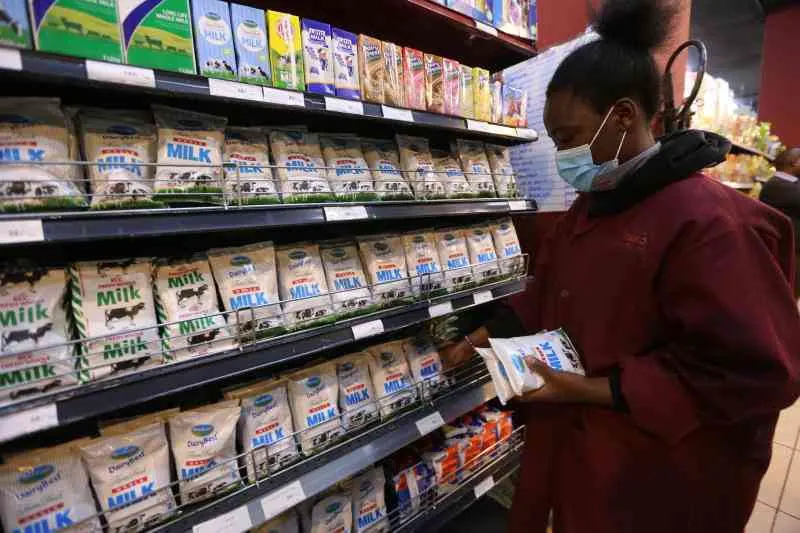
A severe milk shortage is currently affecting Kenya, with supermarkets and retailers reporting low stock levels and limiting purchases. According to the government, the shortage is primarily due to prolonged dry conditions, which have reduced pasture and increased pressure on animal feed. This has resulted in a decline in formal milk deliveries to processors, from 84.4 million liters in June to 81.3 million liters in July.
The milk shortage is a symptom of a larger crisis: Kenya's vulnerability to climate change. Dairy production in Kenya is heavily dependent on rain-fed agriculture, making it susceptible to changes in rainfall patterns. When the rains fail, cows struggle to produce milk due to inadequate water and nutritious feed, leading to reduced productivity and milk yields. The government and farmers are struggling to address the issue, but it is clear that climate change is having a significant impact on the dairy sector.
Climate change is altering the conditions under which droughts and other climate extremes occur in Kenya, increasing the risks associated with rising temperatures and changing rainfall patterns. The Kenya dairy sector is dominated by smallholder farmers, many of whom have limited financial capacity to absorb the cost of buying feed when pasture fails. This creates a vicious cycle, whereby climate variability reduces production, reduced production raises costs, and higher costs squeeze farmers.
The situation is expected to worsen with the coming El Niño episode, which is predicted to bring heavy rainfall to eastern parts of the region. While rainfall may eventually regenerate pasture and replenish water sources, intense rainfall can also have severe agricultural consequences, including erosion, waterlogging, and flooding. It is essential to consider the potential impacts of climate change on Kenya's food system and to develop strategies to mitigate these effects.
The milk shortage highlights the need for a more proactive approach to addressing climate change in Kenya. Rather than simply responding to disasters, the government and farmers must work together to anticipate and prepare for climate-related shocks. This includes investing in climate-resilient fodder systems, water harvesting, pasture restoration, and soil conservation.
Climate-smart feeding practices are also essential for improving productivity and strengthening farmers' resilience. This includes the use of drought-tolerant feed crops, agricultural extension services, and infrastructure that allows farmers to preserve fodder during productive seasons. By adopting these practices, farmers can reduce their vulnerability to climate change and improve their overall productivity.
The present milk shortage should not be treated as an isolated agricultural inconvenience that will disappear when the next rains arrive. Instead, it should prompt a broader conversation about what climate resilience means for Kenya's food system and how to achieve it. The government, farmers, and other stakeholders must work together to develop and implement effective strategies for addressing climate change and promoting sustainable agriculture practices.
Key points
- Kenya's milk shortage is a symptom of its vulnerability to climate change.
- Climate change is altering the conditions under which droughts and other climate extremes occur in Kenya.
- Investing in climate-resilient fodder systems and climate-smart feeding practices can help improve productivity and strengthen farmers' resilience.