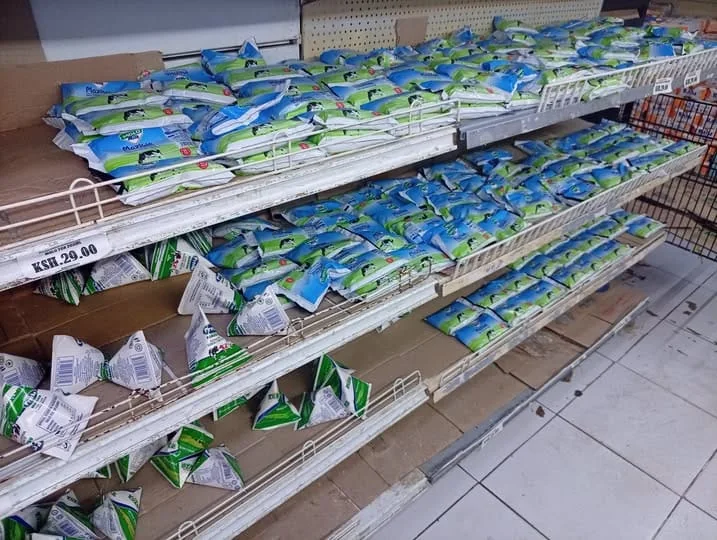
Milk deliveries to processing plants in Kenya have declined by 8 million litres between January and July 2026, according to data from the Kenya National Bureau of Statistics. The drop is attributed to dry and cold weather conditions that have disrupted dairy production. Processors received 594.6 million litres of milk during this period, compared to 602.7 million litres in the same period in 2025. This decline has been linked to the reduced availability of pasture and fodder for dairy cows.
The Kenya Dairy Board has identified weather conditions as the primary cause of the reduced milk supplies. The shortage of natural feed has forced many farmers to rely on purchased animal feeds, increasing the cost of keeping dairy herds. As a result, milk deliveries were lowest in February and July during the period under review. In February, processors received 74.4 million litres, down from 77.9 million litres recorded in the same month last year. July recorded 81.3 million litres of milk delivered to processors.
The decline in milk deliveries has added pressure to the milk market, with companies competing for the available raw milk. This has resulted in varying prices for packaged milk across different supermarkets, brands, and types of packaging. A spot check by Radio Generation at various supermarkets in Nairobi showed that a 500ml packet of milk was selling for between Sh61 and Sh69, compared with between Sh38 and Sh60 last year.
The price variation is evident across different supermarket chains. At Naivas Supermarkets, the price of a 500ml packet ranged from Sh61 to Sh69, depending on the brand. At Quickmart, the same quantity was being sold at between Sh62 and Sh63, with prices varying according to the brand and type of packaging. This price fluctuation is likely to affect consumers, who are already facing increased costs due to the reduced milk supplies.
Kenya's dairy industry is heavily dependent on small-scale farmers, with an estimated 1.8 million smallholder farmers accounting for about 80 per cent of the country's total milk production. However, most of the milk produced in the country does not pass through the formal processing system. Instead, an estimated 80 per cent of milk is sold through informal channels, where households often purchase raw milk directly from farmers and traders.
The informal market plays a significant role in Kenya's dairy trade, with many households buying raw milk directly from producers and local traders. The formal dairy market, on the other hand, consists of milk collected, processed, and distributed through licensed channels. The latest figures show a decline in the amount of milk entering the formal processing system, even as informal channels continue to handle a large share of the country's milk trade.
The decline in milk deliveries has significant implications for the dairy industry and consumers. With reduced milk supplies and increased costs, farmers and processors are facing challenges in maintaining production levels. As the industry continues to navigate these challenges, it is essential to address the underlying issues affecting dairy production, including the impact of weather conditions and the high cost of animal feeds.
Key points
- Milk deliveries in Kenya have declined by 8 million litres between January and July 2026 due to rising feed costs and adverse weather conditions.
- The decline has resulted in varying prices for packaged milk across different supermarkets, brands, and types of packaging.
- Kenya's dairy industry is heavily dependent on small-scale farmers, who account for about 80 per cent of the country's total milk production.