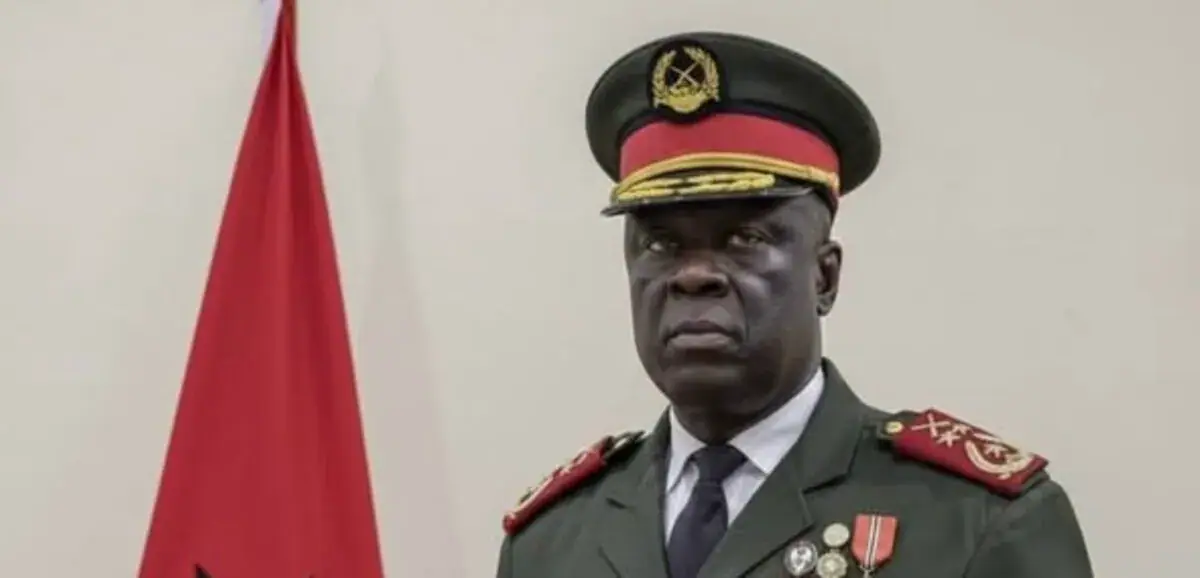
The military junta in Guinea-Bissau has announced that it will postpone the country's presidential and legislative elections to November 26, 2028. This decision extends the military transition period, with the initial expectation being that civilians would return to power in December. The junta, led by General Horta N'Tam, cited technical, material, and financial insufficiencies as the reasons for the postponement.
General Horta N'Tam, the president of the Transition, announced the new election date via a decree published on Thursday. In a televised address to the nation, he defended the transition's progress over the past year, characterizing it as "positive" since the ousting of President Umaro Sissoco Embalo on November 26, 2025. N'Tam also revealed plans to reform the electoral system, including reducing the number of constituencies from 29 to 12 and the number of deputies from 102 to 65.
A national electoral census will be conducted as part of the reforms. Additionally, municipal elections are scheduled for 2027. The postponement comes amid ongoing restrictions on public liberties. In late August, the junta held a constitutional referendum establishing a strong presidential regime, which was boycotted by part of the opposition. Early in November, the military announced a partial easing of restrictions on political parties, but meetings remain banned.
The prolonged transition period and restrictions on political activities have raised concerns. Former President Umaro Sissoco Embalo, who was ousted a year ago, currently lives in exile. Guinea-Bissau has experienced significant instability since gaining independence from Portugal in 1974, with four coups having taken place.
The country's political landscape remains fragile. The junta's decision to postpone elections has sparked concerns about the country's progress toward democratic governance. Despite the challenges, the military leadership insists that the transition is on track and that the reforms will help stabilize the country.
The international community has been closely watching the developments in Guinea-Bissau. The country's partners have been urging a swift return to democratic order. The postponement of elections may strain relations with international partners, who have been providing support to the country.
The situation in Guinea-Bissau remains fluid, with ongoing concerns about the country's stability and democratic progress. The junta's decision to postpone elections has significant implications for the country's future, and the international community will be watching closely for any further developments.
Key points
- The military junta in Guinea-Bissau has postponed presidential and legislative elections to November 26, 2028, extending the military transition period.