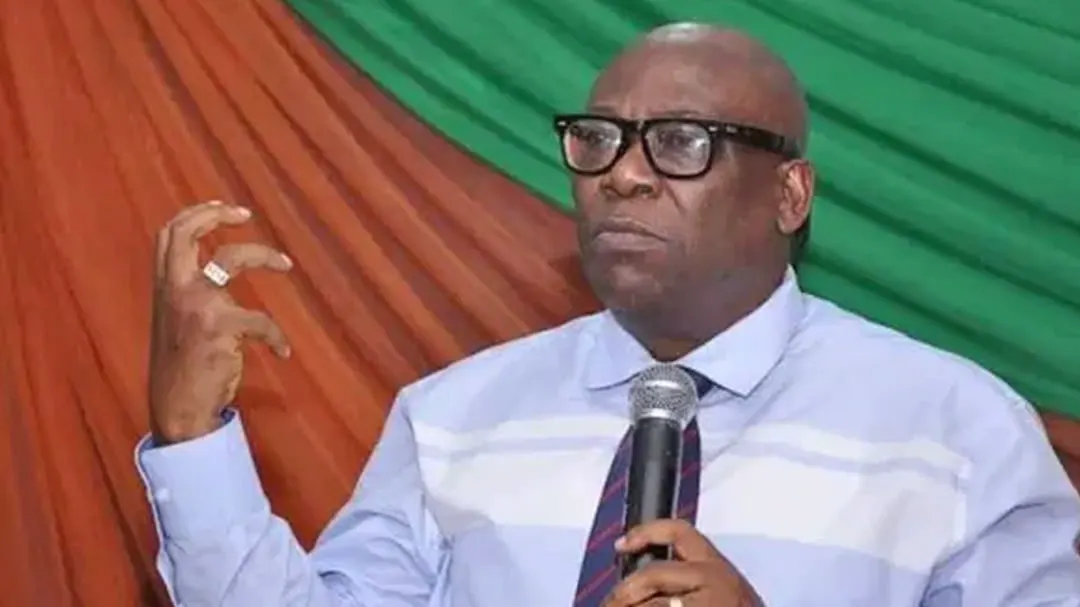
Nigerian author and lawyer Richard Akinnola has expressed concerns over the current state of the judiciary, stating that it was more independent and fearless during the military era. Speaking at the Health of Mother Earth Foundation's (HOMEF) Book Day event, Akinnola shared excerpts from his books, drawing comparisons between the past and present judiciary. He lamented that the public has lost confidence in the current judiciary, citing perceptions of politically motivated decisions.
Akinnola, who has authored over 18 books on media law, coup d'etat in Nigeria, and other controversial issues, emphasized that a few judges who are politically compromised seem to be the face of the current judiciary. Despite acknowledging that there are many hard-working and independent-minded judges on the bench, he argued that these compromised judges undermine the institution's credibility. Akinnola's comments have sparked a renewed debate about the judiciary's independence and impartiality.
The activist highlighted the importance of public confidence in the judiciary, stating that justice is rooted in it. He argued that when people perceive judicial decisions as politically motivated, it brings the entire institution into disrepute. Akinnola cited examples of cases being assigned to specific judges, which he claimed engenders suspicion and raises questions about the judiciary's independence.
Akinnola's concerns were echoed by Nnimmo Bassey, Executive Director of HOMEF, who emphasized the importance of knowledge sharing for the protection of the environment and human rights. Bassey argued that when people have access to information, they are better equipped to make informed decisions about their relationship with the environment. The event, which involved book reading and knowledge sharing, aimed to promote critical thinking and discussion on pressing issues.
Akinnola urged the judiciary to reinvent itself and assert its independence, fearlessness, and impartiality. He called on the Chief Justice of Nigeria, who chairs the National Judicial Council (NJC), to take a more proactive role in instilling public confidence in the judiciary. Akinnola's comments have sparked a renewed debate about the judiciary's role in Nigeria's democratic process.
The judiciary has faced criticism in recent years over allegations of bias and politicization. Akinnola's remarks have added to the growing concerns about the institution's credibility and impartiality. The activist's call for reform and increased transparency has resonated with many Nigerians who are seeking greater accountability from the judiciary.
The HOMEF Book Day event, where Akinnola made his comments, is part of a broader effort to promote knowledge sharing and critical thinking in Nigeria. By engaging with pressing issues like the judiciary's independence, the event aimed to foster a more informed and active citizenry. As Nigeria continues to navigate its democratic journey, the conversation around the judiciary's role and accountability is likely to remain a pressing concern.
Key points
- The judiciary under military rule was more independent and fearless than today's, according to Nigerian activist Richard Akinnola.