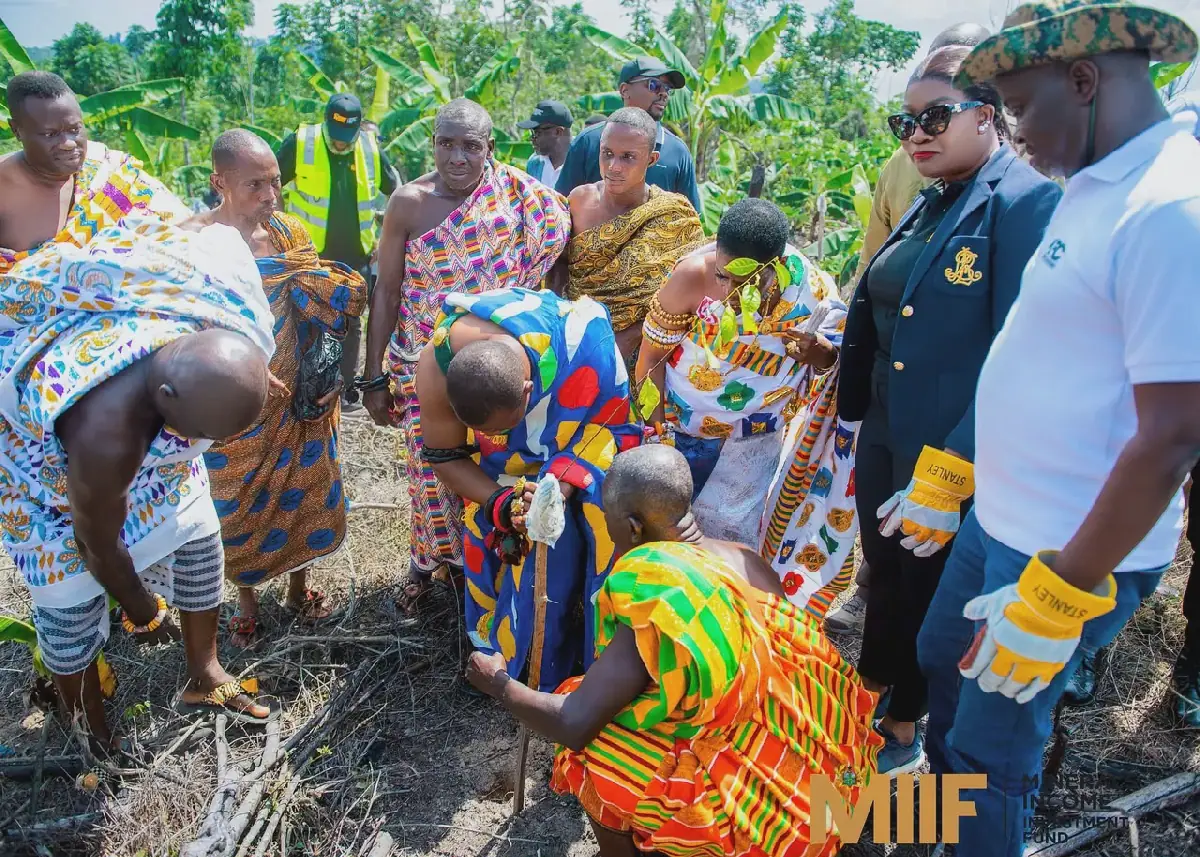
The Minerals Income Investment Fund (MIIF) of Ghana has initiated a five-year project aimed at restoring 50 hectares of degraded forest in the Western Region. This move underscores the environmental responsibilities that accompany the exploitation of Ghana's mineral resources. The project reflects a growing emphasis on sustainability and environmental stewardship in the mining sector. By undertaking this initiative, MIIF is demonstrating its commitment to mitigating the environmental impact of mining activities. The project is expected to have a positive impact on the local ecosystem.
The project was launched recently, though specific dates were not provided. It forms part of MIIF's broader strategy to ensure that mineral extraction in Ghana is done sustainably. The fund manages the revenues generated from Ghana's mineral resources, investing them in various sectors to support national development. By investing in environmental restoration, MIIF is contributing to the country's efforts to protect its natural resources. This project is a significant step towards achieving a balance between economic development and environmental conservation.
Ghana's mining sector is a significant contributor to the country's economy, but it has also been associated with environmental degradation. The degradation of forests, pollution of water bodies, and loss of biodiversity are some of the environmental challenges linked to mining activities. The MIIF initiative aims to address some of these challenges by restoring degraded forests and promoting sustainable land use practices. The project will involve the planting of trees and the implementation of sustainable forest management practices.
The Western Region of Ghana is known for its rich mineral deposits, including gold, bauxite, and manganese. However, the region has also suffered from the environmental impacts of mining, including deforestation and soil degradation. The MIIF project will focus on restoring degraded forests in this region, which is expected to have a positive impact on the local environment and communities. The restoration of forests will also help to sequester carbon, mitigate climate change, and support biodiversity.
The five-year project will require significant investment and technical expertise. MIIF will likely collaborate with other stakeholders, including government agencies, NGOs, and local communities, to ensure the project's success. The involvement of local communities is crucial, as they will be responsible for managing and maintaining the restored forests. By engaging local communities, the project aims to promote sustainable livelihoods and environmental stewardship.
The MIIF initiative is a positive development for Ghana's mining sector and the environment. It demonstrates the potential for mining activities to be carried out in a sustainable and responsible manner. The project's success will depend on effective implementation, monitoring, and evaluation. If successful, the project could serve as a model for other mining companies and countries to follow. The restoration of degraded forests will contribute to Ghana's efforts to achieve sustainable development.
The project aligns with Ghana's broader development goals, including the Sustainable Development Goals (SDGs). SDG 15 focuses on protecting, restoring, and promoting sustainable use of terrestrial ecosystems. The MIIF initiative will contribute to achieving this goal and support Ghana's efforts to promote sustainable development. The project is a significant step towards ensuring that Ghana's natural resources are managed sustainably for future generations.
Key points
- MIIF initiates 5-year project to restore 50 hectares of degraded forest in Ghana's Western Region.
- Project aims to promote sustainable land use practices and mitigate environmental impacts of mining.
- Initiative demonstrates MIIF's commitment to environmental stewardship and sustainable development.