A series of tragic shipwrecks off the coasts of Senegal and Greece has resulted in the deaths of at least 56 migrants. The incidents occurred over the weekend, with 34 people losing their lives after a migrant boat capsized off northwestern Senegal, and 22 others killed in two separate incidents south of Crete. The International Organisation for Migration (IOM) has renewed its call for stronger international action against human smuggling networks and expanded legal migration opportunities.
The IOM has described the incidents as a stark reminder of the dangers confronting migrants who undertake perilous journeys across the Atlantic and Mediterranean seas in search of better living conditions. According to IOM Director-General, Amy Pope, the victims were people who had left their homes hoping for better opportunities but had fallen victim to smugglers and traffickers who exploit their desperation. Pope urged countries to work together to dismantle the networks and provide safe and legal alternatives for people seeking to migrate.
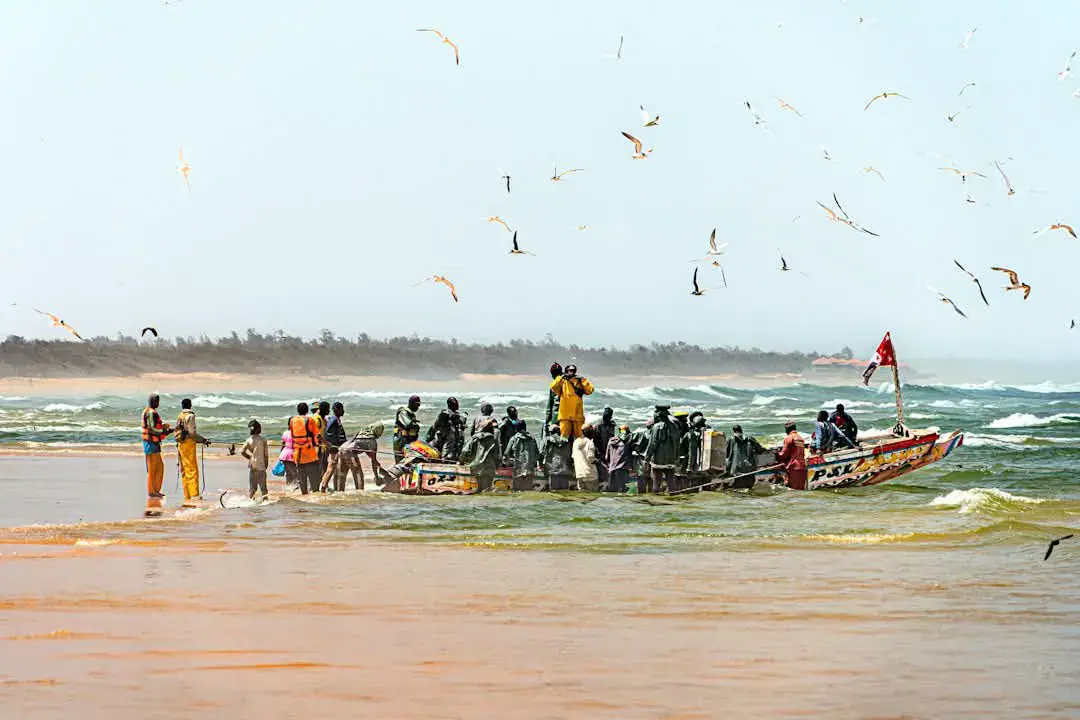
The shipwreck off Senegal's northwestern coast near Loumpoul, between Dakar and Saint-Louis, resulted in the deaths of at least 34 people, with one survivor rescued and an unknown number of passengers still missing. Search-and-rescue operations were continuing as of Monday, with the death toll still considered provisional. This disaster highlights the continuing dangers along the Western African Atlantic migration route, which is used by migrants seeking to reach Europe, particularly Spain's Canary Islands.
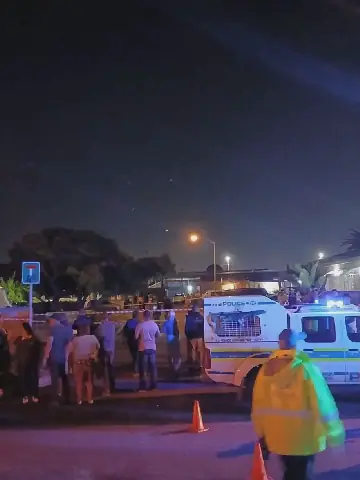
In two separate incidents south of Crete, at least 22 migrants died after boats that had departed from eastern Libya encountered difficulties at sea. Greek authorities rescued 28 Sudanese migrants and recovered eight bodies, while several passengers were reported missing. In the second incident, a cargo ship spotted a migrant vessel in distress, with 18 survivors rescued and 14 bodies recovered. These incidents have heightened concerns over the growing use of the eastern Mediterranean route from Libya towards Crete and mainland Europe.
The IOM has recorded at least 454 deaths and disappearances along the Western African Atlantic route alone as of October 26. However, the organisation warns that this figure represents only a minimum estimate, as many migrant boats disappear without survivors or any trace of their passengers. The southward shift in departure points has increased the distance migrants must cover to reach their intended destinations, exposing them to longer periods at sea in vessels that are often overcrowded and poorly equipped.
The Atlantic route remains a major irregular migration corridor for people seeking to reach Europe, particularly through the Canary Islands, with smugglers and traffickers facilitating dangerous crossings. Following the latest tragedies, the IOM has called for sustained cooperation among countries of origin, transit and destination to address the dangers associated with irregular migration. The organisation urges governments to strengthen coordinated search-and-rescue operations, provide support for survivors and assist families searching for missing relatives.
The IOM has also called for stronger action against smuggling and trafficking networks responsible for organising dangerous sea crossings, while urging governments to expand safe and regular migration pathways. IOM Director-General Amy Pope emphasised that smugglers and traffickers profit from desperation, putting lives at risk for financial gain. The organisation's efforts aim to prevent further loss of life and provide migrants with safer alternatives.
Key points
- The IOM has recorded at least 454 deaths and disappearances along the Western African Atlantic route alone as of October 26.
- The organisation urges governments to strengthen coordinated search-and-rescue operations and provide support for survivors.
- The IOM calls for stronger action against smuggling and trafficking networks responsible for organising dangerous sea crossings.