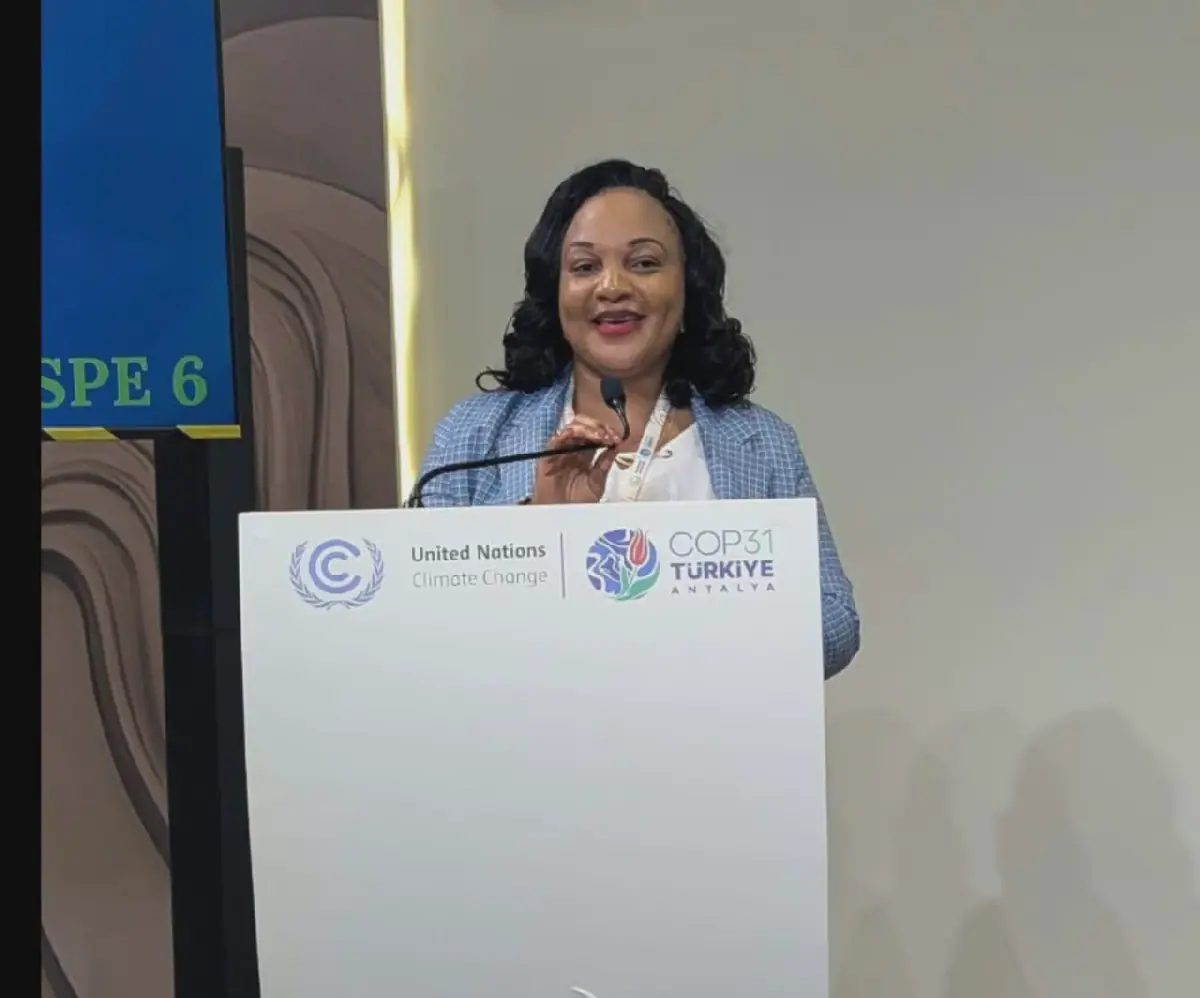
The Mwanamke Initiatives Foundation (MIF) is advocating for increased investment in clean cooking solutions at the 31st United Nations Climate Change Conference (COP31) in Antalya, Türkiye. The organisation highlights its experience in Zanzibar as an example of successful community-driven initiatives that translate global climate commitments into practical benefits for households, schools, and businesses. MIF's efforts focus on ensuring the transition to clean energy reaches communities dependent on firewood and charcoal for cooking.
MIF's flagship initiative, Upishi Salama, has supported 4,000 households in accessing or adopting clean cooking solutions, reaching an estimated 24,000 people indirectly. The initiative has also reached approximately 8,000 people through outreach activities and supported 100 women and youth groups. Additionally, three schools and one prison have transitioned to cleaner cooking systems, with project findings indicating an approximately 50 per cent reduction in energy costs.
According to MIF Head of Programmes, Alice Mushi, successful adoption of clean cooking solutions requires community awareness, practical training, affordability, and sustained engagement with beneficiaries. She emphasises that providing equipment alone is not enough; communities need to understand the benefits, know how to use the technologies safely, and have reliable access to the fuels required to sustain the transition.
The organisation is targeting 500 nyama choma vendors and barbecue grill operators for transition to cleaner cooking solutions between 2026 and 2028. The programme involves assessing vendors' needs, conducting awareness campaigns, demonstrating alternative technologies, and supporting access to affordable equipment and fuels. Mushi notes that small businesses should not be left out of the clean energy transition, requiring environmentally friendly and economically viable alternatives.
MIF plans to plant 15,000 trees as part of its broader environmental conservation efforts. For the 2026–2028 period, the organisation targets reaching 10,000 households, 35 schools, 200 women and youth groups, and 500 grilling operators, alongside the tree-planting programme. The planned expansion requires an estimated investment of 2.7 billion Tanzanian shillings.
Mushi calls for stronger collaboration among governments, development partners, climate finance institutions, the private sector, and community-based organisations to accelerate the adoption of clean cooking solutions. She emphasises that increased investment is necessary to address affordability challenges, strengthen supply chains, and ensure that climate financing reaches communities that need it most.
The clean cooking agenda should go beyond international discussions and deliver solutions that address the daily challenges facing communities. Mushi stresses that climate commitments must translate into practical solutions that reach households, schools, and small businesses, making the transition meaningful when people can access affordable, reliable, and appropriate clean cooking technologies.
Key points
- MIF's Upishi Salama initiative has supported 4,000 households in adopting clean cooking solutions.
- The organisation targets reaching 10,000 households and 35 schools by 2028.
- MIF requires an estimated investment of 2.7 billion Tanzanian shillings for its planned expansion.
Reporting sources
- MIF takes clean cooking agenda to COP3 · Daily News