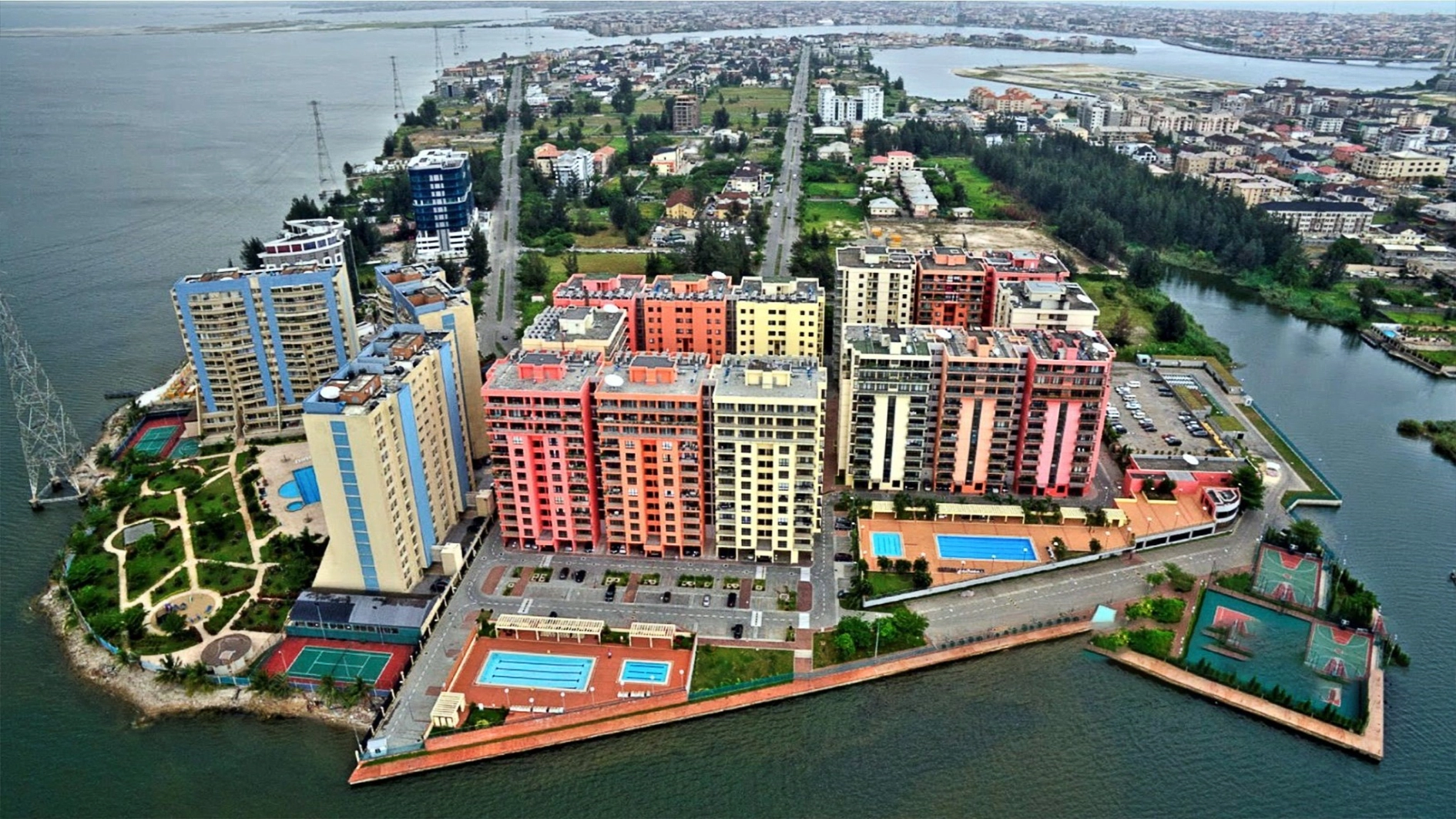
Nigeria's real estate market has seen a surge in property prices, driven in part by the activities of property brokers in short lets, flipping, and speculative investments. This has added pressure to an already strained market, further eroding housing affordability. The lucrative market has given rise to a new breed of property brokers who scout undervalued houses and plots, negotiate directly with owners, secure agreements, add their margins, and look for buyers.
These brokers acquire properties outright and resell them, or secure control of assets and sell their interests before completing transactions. Some specialize in distressed properties, while others target land in emerging locations, off-plan apartments, or houses that can be refurbished and repositioned. The model is straightforward: acquire or control an asset at one price and exit at a higher one. This has led to concerns that brokers may be adding another layer of inflation to the market.
The transformation is partly driven by the returns available from property appreciation. Under the traditional model, an agent might earn a percentage of a N100 million transaction. Under the new model, a broker who acquires the same property for N85 million and resells it for N100 million could make N15 million before transaction and holding costs. The incentive is therefore not just to close transactions, but to identify assets that can be bought cheaply, controlled, and resold at a higher price.
According to the 2026 Lagos Real Estate Industry Report by Agusto & Company, land prices within five kilometers of the Lekki-Epe corridor rose by 25 to 40 percent between the first quarter of 2025 and the first quarter of 2026. In Ibeju-Lekki, land prices increased from about N15 million per plot in 2024 to as much as N35 million in 2026. In some areas, the increase has been more dramatic, with land values in the Bluewater-Okunde zone rising from about N329,000 per square meter in 2021 to between N2.5 million and N2.8 million in 2026.
The growth has been linked to major infrastructure and investment projects around the coastline. Such appreciation attracts speculators, and each transaction can become a reference point for the next asking price. A homeowner may be willing to sell for N100 million, for instance, while an intermediary negotiates the price down to N90 million and resells at N105 million or N110 million. The next buyer may then regard the higher figure as evidence of the property's market value.
The trend also affects housing supply, as every conventional apartment converted to short-let accommodation potentially removes a unit from the long-term rental market. A June 2026 report by The Guardian cited industry concerns that the conversion of residential properties into short-lets in Lagos and other major cities is contributing to declining conventional rental stock and rising housing costs. Technology is further changing the brokerage business, with online listing platforms, digital advertising, social media, property mapping, and faster access to market information.
Registered estate agents have differing views on the matter, with some acknowledging brokers' influence on rising property prices, while others attribute the increases to higher costs of land, cement, steel, labor, diesel, imported materials, financing, infrastructure, and statutory charges. Vice Chairman, International, Association of Estate Agents in Nigeria (AEAN), Dr Adeniyi Tinubu, said brokers contribute to Lagos' rapid property-price increases, but are better described as "price amplifiers" than price-setters.
Key points
- Property brokers in Nigeria are driving up property prices through their activities in short lets, flipping, and speculative investments.
- The new model of property brokerage has led to concerns that brokers may be adding another layer of inflation to the market.
- The trend of converting residential properties into short-lets is contributing to declining conventional rental stock and rising housing costs.