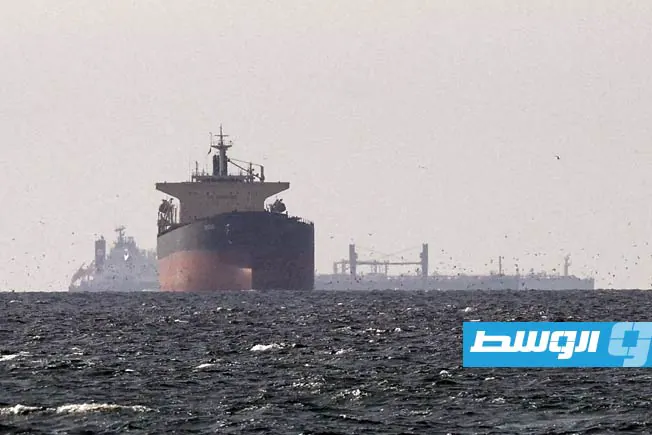
The Middle East's crude oil exports have risen to approximately 12.8 million barrels per day in September, according to preliminary data from Kepler. This increase indicates a recovery in oil flows despite ongoing tensions surrounding the Strait of Hormuz. Saudi Arabia led this surge, with its exports reaching 5.4 million barrels per day. The country's exports have been bolstered by redirecting oil flows from west to east, with crude being loaded onto tankers in the Gulf of Oman through ship-to-ship transfers.
Saudi Arabia's oil exports from the port of Ras Tanura on the Arabian Gulf have reached 3.6 million barrels per day, nearly matching the country's daily average in 2025. According to Matt Smith, head of commodity research at Kepler, the increase in oil flows from the Gulf reflects the impact of pipeline outages and growing confidence in using the Strait of Hormuz. The surge in exports is not limited to Saudi Arabia, as other Gulf oil producers also appear to be increasing their shipments.
Data from Kepler shows that the region's total exports reached 13.2 million barrels per day on Wednesday. However, despite this improvement, oil flows remain below their pre-conflict daily average of around 17 million barrels. The ongoing tensions in the Strait of Hormuz have led to a decrease in the number of tankers passing through the waterway, with fewer than 10 vessels tracked in the past week, compared to a 10-day moving average of 18.
Some analysts expect attacks on ships to become more frequent in the coming period, following the United States' rejection of an Iranian peace proposal. Reports of explosions and rocket launches towards ships in the Strait of Hormuz have emerged, highlighting the continued security risks in the region. The tensions have also impacted global oil prices, with Brent crude rising by over 3% following the rejection of the Iranian proposal.
The increase in oil exports from the Middle East has been driven by Saudi Arabia's efforts to maintain its market share. The country's oil exports have been supported by the use of ship-to-ship transfers in the Gulf of Oman, which allow for more flexible and efficient loading of crude onto tankers. This approach has enabled Saudi Arabia to maintain its oil exports despite the challenges posed by the Strait of Hormuz.
The ongoing tensions in the Strait of Hormuz have significant implications for global oil markets. The waterway is a critical passage for oil shipments, and any disruptions to flows can have a substantial impact on prices. The situation remains volatile, with concerns about the potential for further attacks on ships and the impact on oil supplies.
The rise in Middle East oil exports has also been influenced by the global demand for crude. The increase in exports reflects the ongoing recovery in oil demand, particularly in Asia. However, the situation in the Strait of Hormuz remains a key concern for oil markets, with the potential for further disruptions to flows.
Key points
- Middle East oil exports have risen to 12.8 million barrels per day in September, driven by Saudi Arabia's increased output.
- The increase in oil exports reflects growing confidence in using the Strait of Hormuz, despite ongoing security risks.
- The situation in the Strait of Hormuz remains volatile, with concerns about the potential for further attacks on ships and the impact on oil supplies.