Crude oil exports from the Middle East have shown significant recovery in September, according to data from Kpler. The region's exports reached 16.33 million barrels per day, the highest level since the conflict began in late February. This represents about 80% of pre-conflict levels, when exports were 19.51 million barrels per day. The increase is attributed to a rebound in shipments through the Strait of Hormuz.
The Strait of Hormuz, a critical waterway for oil exports, saw a sharp increase in crude oil flows in September. Kpler estimates that 9.72 million barrels per day of crude oil passed through the strait, including transshipments in the Gulf of Oman. This is a significant increase from the low of 2.2 million barrels per day in late July. Saudi Arabia was the main driver of this recovery.
Saudi Arabia's crude oil exports are expected to reach 5.4 million barrels per day in September, more than double the rate of 2.45 million barrels per day in August. The port of Ras Tanura, which was impacted by a attack on the East-West Pipeline in September, has resumed its export activities. Shipments from the port have increased to 3.25 million barrels per day, up from 929,000 barrels per day in August.
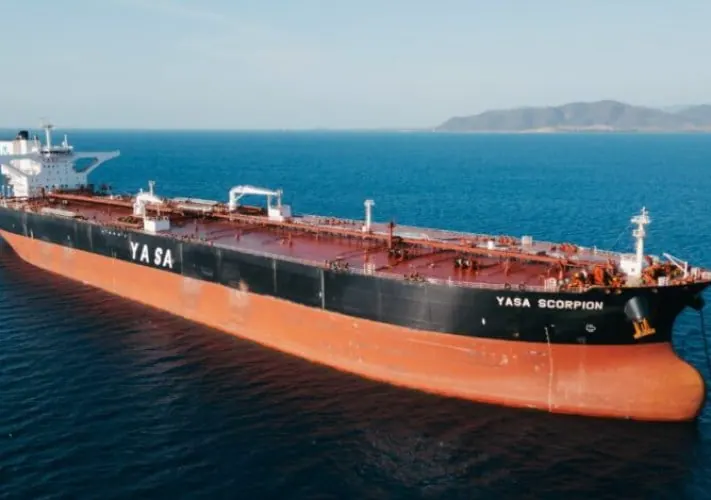
Kpler reported that 19 very large crude carriers, each carrying around 2 million barrels of Saudi crude, passed through the Strait of Hormuz within a single week. Meanwhile, Saudi Arabia has resumed loading crude oil onto tankers at the port of Yanbu, following repairs to the East-West Pipeline. This has activated another export outlet that bypasses the Strait of Hormuz.
According to Kpler, the current flow rate through the pipeline is around 2.65 million barrels per day, with expectations of an increase to 3-4 million barrels per day in the coming days. However, it may take an additional month to return to pre-attack levels of around 5.5 million barrels per day. US President Donald Trump has commented on the recovery in oil exports.
President Trump stated that a record amount of oil was transported through the Strait of Hormuz, exceeding pre-conflict levels. The recovery in oil exports has been tracked by various sources, including TankerTrackers.com, which uses satellite imagery to monitor oil shipments. The site reported that around 10 million barrels of crude oil were loaded at the ports of Yanbu and Muqawl on September 27.
The increase in crude oil exports from the Middle East is a positive sign for the region's oil producers. The recovery in shipments has been driven by increased production from Saudi Arabia and other countries. The Strait of Hormuz remains a critical waterway for oil exports, and any disruptions to shipments could impact global oil markets.
Key points
- Saudi Arabia's crude oil exports are expected to reach 5.4 million barrels per day in September.
- The Strait of Hormuz saw a sharp increase in crude oil flows in September, with 9.72 million barrels per day of crude oil passing through the strait.
- The recovery in oil exports has been driven by increased production from Saudi Arabia and other countries.