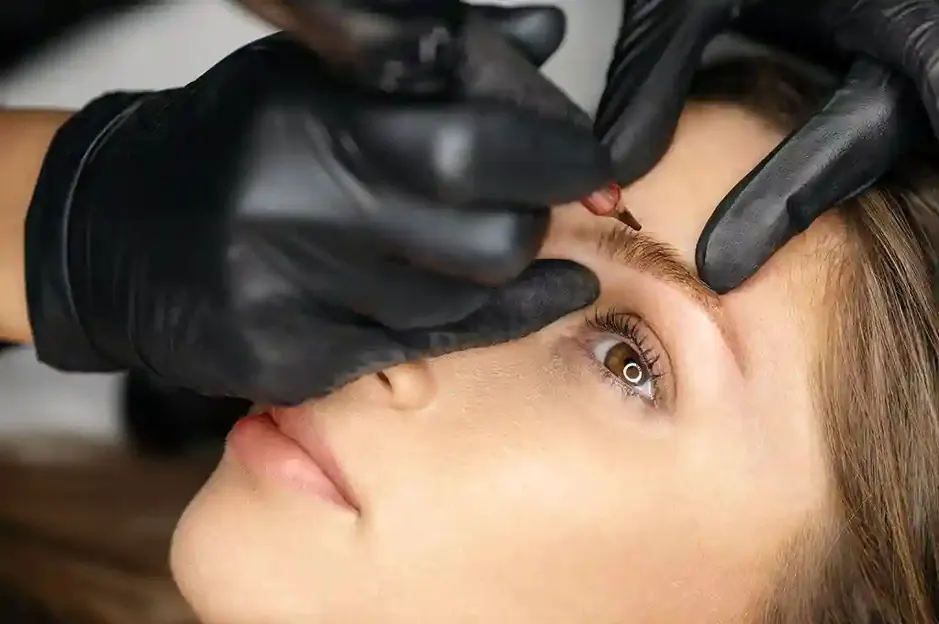
As women enter midlife, they may notice their eyebrows looking thinner, sparser, or less full than before. This change can be attributed to hormonal shifts, particularly the drop in estrogen during perimenopause and menopause, which can slow hair growth. Additionally, years of tweezing, waxing, or threading can also contribute to the disappearance of brows. However, there are options available for women to restore the look of fuller brows and regain their confidence.
Cosmetic tattooing techniques, including microblading, ombre shading, and traditional tattooing, have become popular solutions for achieving fuller brows. These procedures involve placing pigment in the skin, a process called micropigmentation, to create the appearance of thicker brows. Microblading uses a handheld tool to create fine, hair-like strokes, resulting in a natural look that lasts one to two years. Ombre brows, done with a machine, produce a soft, shaded effect that can last two to three years.
The safety of these procedures is a concern for many women. When performed by a trained professional in a sterile environment, these procedures are considered low-risk and minimally invasive. The most common side effects are mild and temporary, including redness, swelling, or itching. Infections are rare, occurring in less than 1% of cases, and allergic reactions are possible but uncommon. Scarring is also very rare, but individuals prone to keloids should exercise caution.
The effectiveness of microblading, ombre shading, and traditional tattooing in restoring the look of fuller brows has been reported to be high, particularly among women dealing with menopause-related hair loss. While these procedures do not address the underlying cause of brow thinning, they reliably produce the appearance of thicker brows. Many women report feeling more confident and comfortable in their own skin after undergoing these procedures.
As women age, their skin undergoes natural changes that can affect the healing and pigment results of these procedures. Healing may be slower or less predictable, and pigment may fade faster than in younger skin. Thinner or looser skin can increase the risk of pigment spreading or slight discoloration. Therefore, it is essential for women to have realistic expectations and choose a skilled practitioner to achieve the best results.
Maintenance is also an important consideration for women who opt for microblading, ombre shading, or traditional tattooing. Touch-ups are usually needed every 12-24 months to keep brows looking fresh. For women who prefer not to undergo tattooing, medical options such as prescription brow serums and topical minoxidil can help encourage brow growth. Eyebrow transplants are also a viable option for restoring hair thickness and density to the brows.
In conclusion, microblading, ombre shading, and traditional tattooing offer safe and effective solutions for women seeking to restore the look of fuller brows in midlife. When performed by a skilled professional, these procedures can produce high satisfaction rates and have a positive impact on a woman's confidence and self-perception. By understanding the options available and taking a proactive approach, women can achieve a beautifully framed face and step forward in midlife with confidence and clarity.
Key points
- Cosmetic tattooing techniques can restore the look of fuller brows and boost confidence in women experiencing midlife brow thinning.
- Microblading, ombre shading, and traditional tattooing have different styles, depths, and lasting effects, and women should choose a procedure that suits their needs and preferences.
- Women should have realistic expectations and choose a skilled practitioner to achieve the best results, considering factors such as skin changes with age and potential risks.