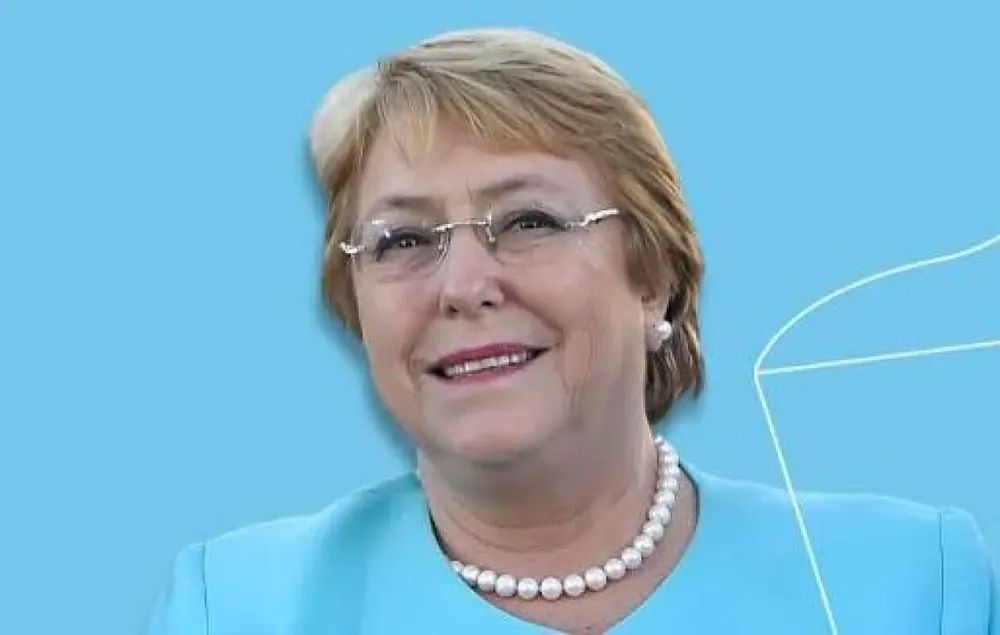
Former Chilean President Michelle Bachelet announced on September 20, 2026, that she is ending her bid for the United Nations Secretary-General post. In a message on her social media, Bachelet stated that she had decided to withdraw after a third indicative poll showed unfavorable results. This development marks a significant turn in the competition for the top UN position. Bachelet's decision was made public on a Sunday, allowing for reflection on her campaign and its implications.
Bachelet expressed no regrets about her decision to run for the position, highlighting that her campaign had helped bring attention to the idea of a Latin American woman leading the UN. Her campaign was guided by key principles, including respect for international law, combating climate change, defending human rights, and promoting multilateralism. These principles underscored her commitment to advancing global cooperation and sustainable development. Bachelet's experience and dedication to these causes have been notable throughout her career.
The Chilean government has taken note of Bachelet's decision, as stated in a communiqué. In March, Chile withdrew its support for Bachelet's candidacy, following an evaluation of the dispersion of candidates in the region and its potential impact on her chances of success. This move reflected a strategic assessment by Chile regarding the competitive landscape of the UN Secretary-General race. The government's statement acknowledged the development while emphasizing its focus on effective international representation.
Bachelet's candidacy was officially presented in February by Chile, Brazil, and Mexico. Her extensive background in international affairs and human rights includes serving as the UN High Commissioner for Human Rights from 2018 to 2022 and the first Executive Director of UN Women from 2010 to 2013. These roles have equipped her with a deep understanding of global challenges and the UN's mission. Her experience in these capacities has been widely recognized and respected within the international community.
The UN Secretary-General position has attracted several candidates, each with unique qualifications and visions for the role. The selection process involves indicative polls and consultations within the UN Security Council. These steps help identify the most suitable candidate to lead the organization in addressing pressing global issues. The process aims to ensure that the next Secretary-General is well-equipped to navigate the complexities of international relations and promote peace and security.
Bachelet's withdrawal from the race brings attention to the remaining candidates and their respective strengths. The competition for the UN Secretary-General post is a critical process that impacts the future direction of the organization. As the search for a new Secretary-General continues, the international community watches closely, anticipating a leader who can effectively address emerging challenges and foster global cooperation. The UN's role in promoting peace, security, and sustainable development remains a priority.
The selection of the next UN Secretary-General will have significant implications for global governance and international relations. The process is expected to conclude with the appointment of a new Secretary-General, who will serve a five-year term. The successful candidate will need to navigate complex geopolitical dynamics, address pressing global challenges, and promote the UN's mission and values. The international community looks forward to a smooth transition and continued progress under the new leadership.
Key points
- Ex-Chilean President Michelle Bachelet ends her bid for the UN Secretary-General post due to unfavorable poll results.
- Bachelet's campaign emphasized respect for international law, climate action, human rights, and multilateralism.
- The Chilean government had withdrawn its support for Bachelet's candidacy in March, citing strategic considerations.