The European Commission has selected MGH Energy's synthetic fuels project in Laudun-l'Ardoise, France, under its Innovation Fund. This decision could strengthen the development prospects of MGH Energy's €4.5 billion Janassim synthetic fuels project in southern Morocco. The Janassim project, being developed by MGH Energy Maroc alongside HOLSATEK, aims to produce approximately 300,000 tons of synthetic fuels annually.
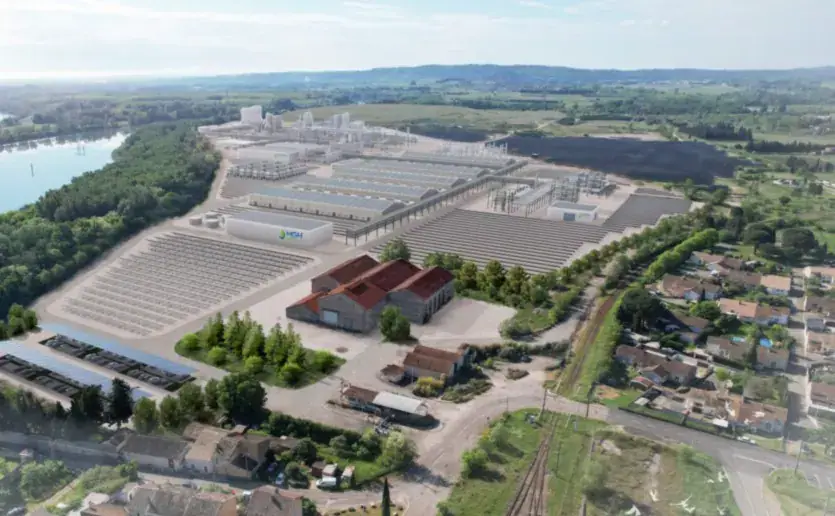
The Laudun-l'Ardoise facility in southern France represents an investment of approximately €1.1 billion and will produce 70,000 tons of e-kerosene annually for aviation and 40,000 tons of e-methanol for maritime transport. The facility is expected to be commissioned in 2031. The European Commission selected the project under the Large-Scale Projects category of the Innovation Fund, which supports innovative industrial technologies that contribute to reducing greenhouse gas emissions.
The Innovation Fund has an estimated budget of €40 billion for 2020-2030 and assesses projects based on their emissions reduction potential, innovation, technical and financial maturity, industrial deployment prospects, and cost efficiency. The selection opens the way for potential European financial support for the French facility, which will combine hydrogen production through water electrolysis, CO₂ utilization, and synthetic fuel manufacturing.
MGH Energy said the engineering, industrial development, financial structuring, and partnerships established through the French project could provide valuable expertise for the development of Janassim. The Moroccan project represents an investment of nearly €4.5 billion and will rely on 2.2 gigawatts of renewable energy capacity combining wind and solar power. Its industrial facilities will integrate seawater desalination, green hydrogen production through electrolysis, and synthetic fuel manufacturing.
The Janassim project is expected to generate more than 2,500 direct jobs during construction and create around 600 permanent positions during the operational phase, alongside indirect employment in logistics, services, and industrial subcontracting. At full capacity, Janassim could prevent approximately 724,000 tons of CO₂ emissions annually by replacing fossil fuels.
The project is part of Morocco's ambitions to develop a green hydrogen industry and strengthen its position in the international renewable fuels market. MGH Energy estimates that the project will have a significant impact on the environment and the economy. The company expects to benefit from technical and operational experience from the French project to support its Moroccan subsidiary.
The selection of MGH Energy's project by the European Commission marks an important step in the company's industrial strategy. The company is expected to move forward with the development of the Janassim project, which will contribute to Morocco's renewable energy goals and create new economic opportunities.
Key points
- The European Commission's selection of MGH Energy's project could provide technical and operational experience to support the development of the Janassim project in Morocco.