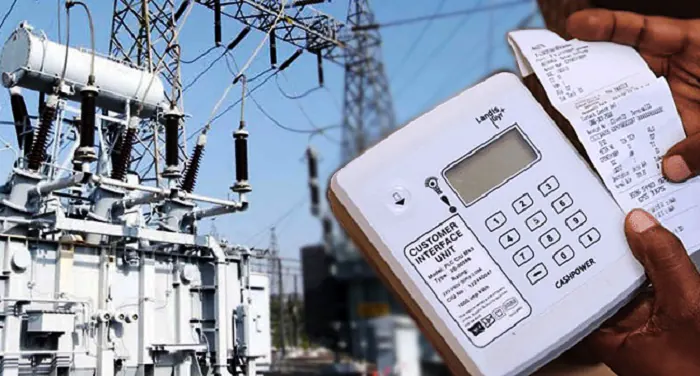
A renewed focus on electricity metering in Nigeria is sparking optimism about the sector's financial health. According to the Nigerian Electricity Regulatory Commission (NERC), 7,743,839 out of 12,589,486 active registered customers have been metered, representing a 61.51% metering rate as of June 2026. This marks a significant improvement from 2025, when the metering gap stood at 5.4-5.8 million unmetered customers and the national metering rate was under 58%.
The second quarter of 2026 saw the installation of 350,270 meters, although this represents a 17.97% decrease compared to the 426,985 meters installed in the first quarter. The majority of these new meters, 205,486, were installed under the Distribution Sector Recovery Programme (DISREP) framework, a $500 million initiative backed by the World Bank to improve the financial and technical performance of electricity Distribution Companies.
The Meter Asset Provider (MAP) scheme and Meter Acquisition Fund (MAF) framework also contributed to the metering surge, with 123,833 and 13,028 meters installed, respectively. The DISREP, MAP, and MAF initiatives aim to fast-track prepaid meter rollout, eliminate estimated billing, and close the country's severe metering gap. NERC has also implemented monthly energy caps for unmetered customers to prevent exploitation.
Dr. Muda Yusuf, CEO of the Centre for the Promotion of Private Enterprise (CPPE), commended the improvement in metering, citing its potential to reduce commercial losses and boost liquidity in the sector. He noted that addressing transmission issues and implementing appropriate tariffs remain crucial challenges. Yusuf emphasized that 100% metering would have a massive impact on the economy, enhancing productivity and supporting industrialization.
Market analysts expect that adequate metering will significantly reduce commercial losses and improve liquidity for Distribution Companies (DisCos). In the second quarter of 2026, DisCos recorded a billing efficiency of 78.67%, with a total energy supplied valued at N946.57 billion and a total energy billed valued at N744.67 billion. This represents a 0.57% decrease in billing efficiency compared to the first quarter.
The performance of individual DisCos varied, with Eko DisCo recording the highest billing efficiency at 88.38% and Kaduna DisCo recording the lowest at 61.92%. Ikeja Electric, Eko DisCo, and Abuja DisCo (AEDC) consistently lead Nigeria's power sector in metering coverage, with high-density urban customer bases and faster deployment frameworks contributing to their success.
In the second quarter of 2026, 28 power plants supplied electricity to the national grid, consisting of five hydro, two steam, 19 open cycle gas turbines (OCGT), and two combined cycle gas turbine (CCGT) plants. The ongoing metering efforts and initiatives to improve the sector's financial and technical performance are expected to have a positive impact on Nigeria's electricity landscape.
Key points
- Nigeria's metering rate has improved to 61.51% as of June 2026.
- The Distribution Sector Recovery Programme (DISREP) has contributed significantly to the metering surge.
- Adequate metering is expected to reduce commercial losses and improve liquidity for Distribution Companies.