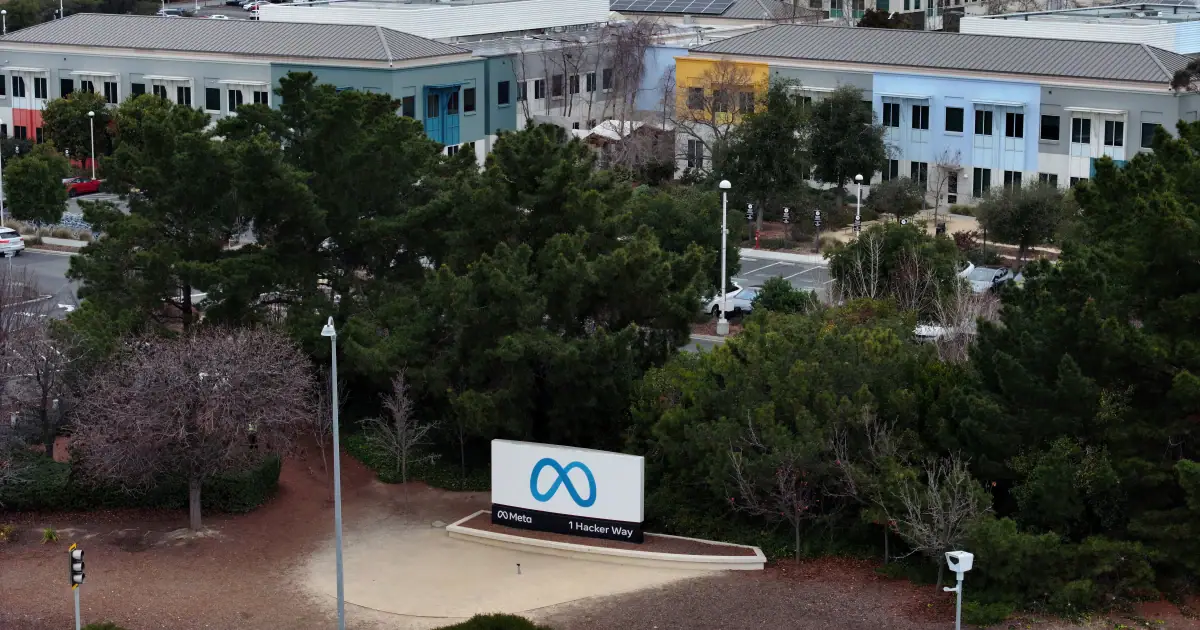
Meta launched Project Gryffindor in 2025, a program designed to boost Instagram use among teens by targeting schools. The initiative, also called a "school partnership program," allows schools to create a network of students and parents on the platform. Almost 17,000 schools had signed up for the program by September 2026. Meta says the program aims to provide a safer experience on Instagram for children by allowing educators to report safety concerns and giving school-related accounts the ability to post stories and notes visible to all verified students and parents.
However, internal documents obtained by NPR reveal that Meta's commercial motivations for establishing school networks are more explicit. A 2024 presentation on Project Gryffindor states that embedding in schools is a way to increase user "acquisition," "friending," and "invites" to join Instagram. The presentation notes that "network connections will fuel organic and unattributed acquisition." This contradicts Meta's public statements about the program's goals, which emphasize online safety and community building.
Online safety experts have expressed concerns that Instagram's school partnership program could make teen users more vulnerable to mental health issues and increase their likelihood of being targeted by predators. Sacha Haworth, executive director of the Tech Oversight Project, says that Meta's documents refer to the program as a way to get more teens addicted to Instagram and Facebook. Paul Raffile, a cybersecurity investigator, notes that the program could create privacy and security vulnerabilities to teens' accounts that could be exploited by scammers and groomers.
Meta has long focused on boosting Instagram's popularity among teenagers, viewing the slowdown in teen Instagram user growth since TikTok's US launch in 2018 as "an existential threat" for the company. Internal documents show that as early as 2015, the company was making plans to form relationships with schools to acquire new teen users. One company presentation from 2023 stated: "Our competitors in social connection are leveraging school integrations as a way to keep in touch with their community. Can we take things a step further and use school networks as a lever for acquisitions?"
Snapchat also has a school and college community program, which has faced criticism for facilitating inappropriate posts and bullying. Meta's own policy states that Instagram users must be at least 13 years old to have an account. However, internal documents suggest that acquiring teen users would have the knock-on effect of introducing younger children to the platform. A Meta document noted that "teens strongly influenced preteens' understanding of what and how frequently to share on Instagram."
Meta's targeting of schools may also have served as a strategy to increase the amount of time teens spent on Instagram. A 2015 internal comment from a Meta employee described the company's engagement goals: "One of the things we need to optimize for is sneaking a look at your phone under your desk in the middle of Chemistry :)." The company developed the technical capability to determine when teen users were at school, using location and school-specific information collected through data harvesting.
In response to the allegations, Meta spokesperson Liza Crenshaw said that the story "completely mischaracterizes a positive program that helps thousands of U.S. schools protect their students online, communicate with them safely about extracurricular activities, and easily report safety issues." The company claims that it has reviewed over 90% of bullying and harassment reports on Instagram in the past year.
Key points
- Meta's Project Gryffindor aims to boost Instagram use among teens by targeting schools, despite concerns about online safety and commercial motivations.
- Internal documents reveal that Meta's commercial motivations for establishing school networks are more explicit, focusing on user acquisition and engagement.
- Online safety experts have expressed concerns that the program could make teen users more vulnerable to mental health issues and increase their likelihood of being targeted by predators.