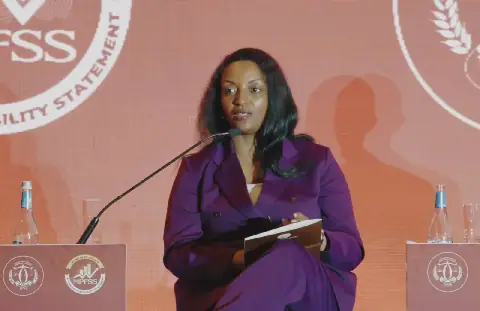
A recent deepfake video on Facebook shows Natasha Akpoti-Uduaghan, a Nigerian senator, promoting a "lucrative" investment scheme. The video, which has been seen and liked by over a thousand users, claims that investing N430,000 can earn N14 million monthly. However, the senator has disclaimed any endorsement of investment platforms and warned the public about such scams. The video was created using deepfake technology and was promoted through Meta's advertising platform.
Meta's advertising policies state that it does not allow fraudulent or misleading ads, but scam ads continue to flood the platform. The company's internal documents reveal that it earns money from scam ads, with projections of $16 billion in 2024. Critics argue that Meta has been slow to address the problem, as it continues to generate revenue from these ads. Despite this, Meta claims to be taking steps to address the issue, including investing in trained review teams to identify and remove scam ads.
Another deepfake video appeared on Facebook in May, showing Peter Obi, the presidential candidate of the National Democratic Congress, promoting an investment scheme. The video asked social media users to invest N350,000 to earn N4.5 million. However, the link in the video leads to a phoney website that clones Channels Television's website. The website contains false stories about investment platforms and a fake interview with Mr. Obi.
The creators of these deepfake videos use Meta's advertising platform to promote their scams and reach a wider audience. The platform's ad policies are sparsely regulated, allowing scammers to take advantage of unsuspecting victims. Meta has confirmed that the ads and deepfake videos violate its policies, but they remained on the platform for months. It wasn't until Premium Times contacted the company that the ads were removed.
Deepfake videos of influential Nigerians have flooded Facebook, often used to promote fraudulent investment scams. The Director-General of the World Trade Organisation, Ngozi Okonjo-Iweala, has also been impersonated in a deepfake video promoting an investment scheme. The video cloned her voice and introduced social media users to an investment scheme where users can invest N380,000 to earn N2,660,000 daily.
Meta claims to be investing heavily in trained review teams to identify and remove scam ads. The company also shares tips on avoiding scams and offers tools to report potential violations. However, critics argue that the company needs to do more to address the problem. The deluge of deepfakes on Facebook has raised concerns about the platform's ability to regulate its content.
The issue of deepfakes and scam ads on Facebook highlights the need for greater regulation of social media platforms. While Meta has policies in place to prevent such scams, it needs to do more to enforce them. The company must balance its revenue goals with its responsibility to protect its users from harm. As the problem of deepfakes and scam ads continues to grow, it remains to be seen how Meta will address the issue.
Key points
- Meta's internal documents reveal that it earns money from scam ads, with projections of $16 billion in 2024.
- Deepfake videos of influential Nigerians have flooded Facebook, often used to promote fraudulent investment scams.
- Meta claims to be investing heavily in trained review teams to identify and remove scam ads.