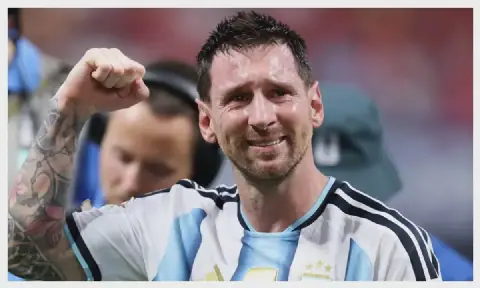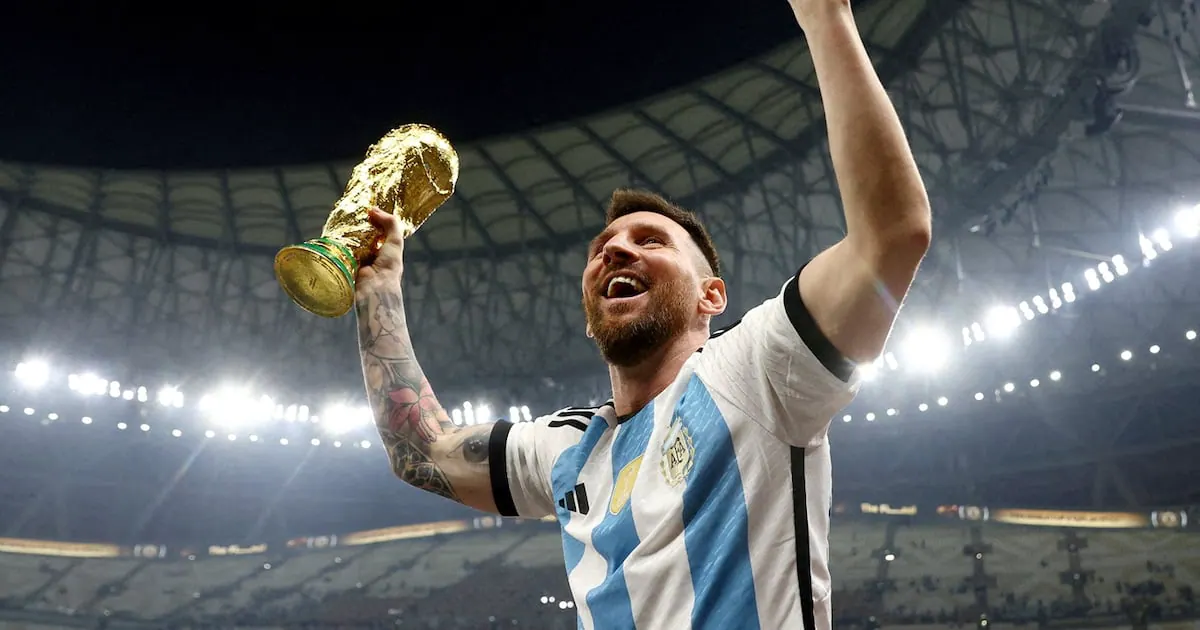
Lionel Messi's farewell match against Benin at Buenos Aires' Monumental stadium marks the end of an era for the Argentine national team. The journey began with Argentina's football authorities not knowing his name, and evolved into one of the most enduring relationships in sporting history. Messi's international career spanned over two decades, starting with his first appearances in 2004. His early days were marked by complications, including Argentina struggling to identify him and paperwork errors.
Messi moved to Barcelona as a teenager, and while Spain tried to persuade him to represent them, Argentina barely knew he existed. At the 2003 Under-17 World Cup in Finland, Spain beat Argentina 3-2, with a young Cesc Fabregas telling Argentine delegates that they lost because they didn't have Messi, who was playing for Barcelona's La Masia academy. Argentine youth coach Hugo Tocalli recalled Spain's head chef saying they needed "a kid who plays in Barcelona" to win the tournament.
Finding Messi proved difficult for Argentina, with employee Omar Souto tracking down the Messi family in Spain through a Rosario telephone directory. However, Souto initially asked for "Leonardo", only to be told that the player's name was Lionel. The Argentine Football Association (AFA) sent Barcelona a fax asking about a player called "Mecci", with a double "c" in the surname, believing he might be Italian.
Messi played two under-20 friendlies for Argentina in 2004, but scepticism lingered. At the 2005 Under-20 World Cup in the Netherlands, Messi began on the bench as Argentina lost their opening game. He faced resistance and was criticised for not reproducing his club form, with some fans labelling him "pecho frio", lacking heart or fire.
A World Cup qualifier against Colombia in 2011 began to change Messi's perception, as he helped Argentina rally from a goal down to win in difficult conditions. He was exhausted and vomiting, but his performance earned him praise. The bond between Messi and Argentines strengthened when he briefly retired after Argentina's penalty shootout defeat by Chile in the 2016 Copa America final.
Under Lionel Scaloni, Messi became the undisputed leader of a new generation, guiding Argentina to two Copa America titles and the 2022 World Cup. His evolution into a more outspoken captain drew comparisons with Diego Maradona. Author Sergio Levinsky said that the debate between Argentina's two biggest icons missed the point, as both were geniuses in different eras.
Levinsky described Argentina's affection for Messi as a "love under construction", developing around a player whose upbringing and career unfolded largely abroad but who grew closer to supporters over time. He likened it to suddenly finding out you have an 18-year-old son, and having to start loving him without having known he existed. Messi's relationship with Argentina was a long, hard-won love story that will be remembered for generations to come.
Key points
- Messi's international career spanned over two decades, from his first appearances in 2004 to his final match against Benin.
- Argentina's football authorities initially struggled to identify Messi, with complications including paperwork errors and a lack of knowledge about his existence.
- Messi's bond with Argentines developed over time, with his performances and leadership earning him praise and affection from fans.