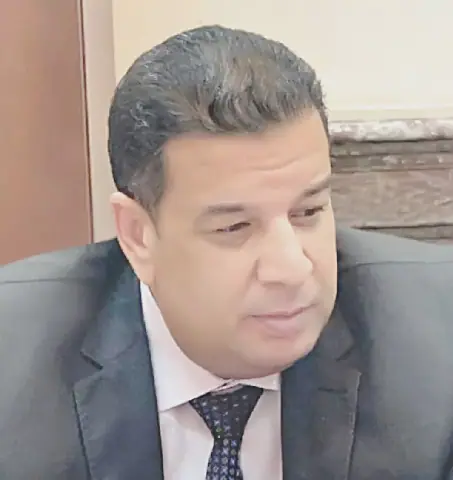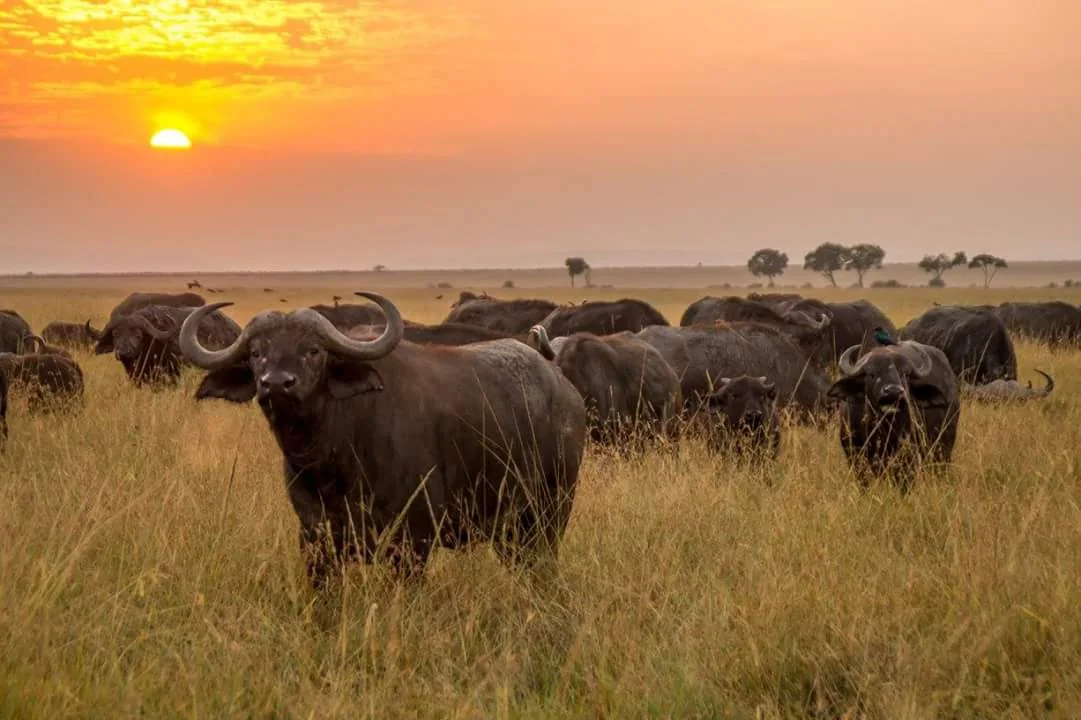
A resident of Kithirune, Meru County, has written to the Kenya Wildlife Service (KWS) seeking permission to keep two buffaloes on his farm. David Kiogora M'inoti, in a letter dated September 24, 2026, to the KWS Meru County office, expressed his willingness to take full responsibility for the animals and provide for all their needs. M'inoti's request has sparked an online discussion, with many people curious about the outcome.
In his letter, M'inoti outlined his commitment to providing the buffaloes with proper housing, adequate food and water, veterinary care, secure fencing, and a peaceful environment. He also assured KWS that he would take all necessary measures to prevent the buffaloes from escaping or posing a danger to his neighbors and the surrounding community. M'inoti's farm, located in Kithirune, Meru County, would need to meet specific requirements to ensure the safe keeping of the buffaloes.
Under the Wildlife Conservation and Management Act, 2013, keeping protected animals, game animals, or game birds in captivity is prohibited without a valid permit or license. The law allows for possession of certain wildlife for regulated activities, including game farming, game ranching, live capture, and research, subject to necessary approvals. M'inoti's request would need to be evaluated in accordance with these regulations.
The Cabinet Secretary may grant licenses for consumptive wildlife use activities, including game farming, game ranching, live capture, research involving off-take, cropping, and culling. To obtain a permit, M'inoti would need to meet specific requirements and undergo inspections to ensure compliance with wildlife regulations. Unauthorized possession of live wildlife is a serious offense, attracting heavy penalties, including a fine of at least Sh3 million or a prison term of three years or more.
It is unclear whether KWS has responded to M'inoti's request. The outcome of his application would depend on various factors, including the suitability of his farm for keeping buffaloes and his ability to meet the necessary requirements. If approved, M'inoti's farm could become one of the few private facilities in Kenya licensed to keep buffaloes.
M'inoti's decision to seek permission to keep buffaloes on his farm reflects a growing interest in wildlife conservation and management in Kenya. The country has a rich biodiversity, and many people are exploring ways to contribute to conservation efforts. However, strict regulations are in place to ensure that wildlife is protected and managed sustainably.
The Kenya Wildlife Service plays a critical role in regulating and monitoring wildlife conservation and management in the country. KWS is responsible for enforcing wildlife laws and regulations, including issuing permits and licenses for various wildlife-related activities. The outcome of M'inoti's request would depend on KWS's evaluation of his application and his ability to meet the necessary requirements.
Key points
- A Meru County man has requested permission from Kenya Wildlife Service to keep two buffaloes on his farm.
- The request is subject to the Wildlife Conservation and Management Act, 2013, which regulates keeping protected animals in captivity.
- Unauthorized possession of live wildlife is a serious offense, attracting heavy penalties, including a fine of at least Sh3 million or a prison term of three years or more.