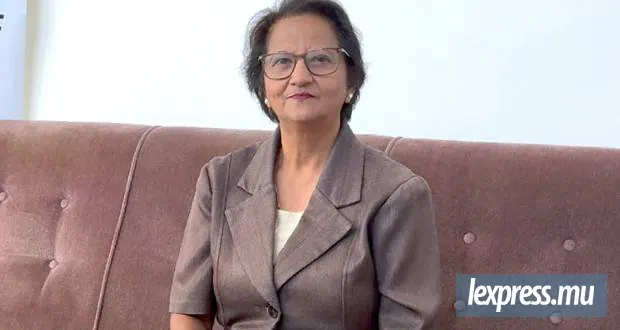
The mental health landscape in Mauritius is experiencing a significant shift, with Befrienders Mauritius, a suicide prevention association, reporting a substantial increase in calls. According to its president, Sheïla Cheekhoory, the organization received between 400 and 500 calls per month in July, but this number has risen to between 500 and 600 calls monthly. This uptick is attributed to various factors, including the growing awareness of mental health issues and the role of technology, such as ChatGPT, in encouraging individuals to seek help.
The issues affecting mental health in Mauritius are multifaceted and far-reaching. Cheekhoory notes that the country's population is experiencing increased anxiety and stress due to various factors, including economic concerns, relationship issues, and the impact of social media. Furthermore, the prevalence of substance abuse, particularly among young people, is a growing concern. The association's services extend beyond listening and providing emotional support, as they also offer guidance and referrals to specialized organizations for those struggling with addiction and other issues.
The World Health Organization (WHO) reports that over a billion people worldwide live with mental health disorders, highlighting the need for comprehensive support systems. In Mauritius, the mental health crisis is not limited to specific periods, with calls received throughout the year. However, certain times, such as during exam periods or holidays, tend to see an increase in calls. The WHO advocates for community-based care rather than long-term psychiatric institutionalization, emphasizing the importance of accessible and localized support services.
Despite the growing awareness of mental health issues, access to care and resources remains a challenge in Mauritius. The public healthcare system faces limitations, and many individuals lack the financial means to seek private care. In response, Cheekhoory suggests simple yet effective coping mechanisms, such as mindfulness exercises, meditation, and spending time in nature. These activities can be done without significant financial investment and can help alleviate stress and anxiety.
The impact of trauma and stress is not limited to individuals but can also affect families and communities. Cheekhoory highlights the ripple effect of bad news, such as crimes, accidents, and disappearances, which can create a sense of fatigue and anxiety among the population. This can lead to increased tensions within families and communities, emphasizing the need for collective support and understanding.
In addition to addressing mental health concerns, there is a growing recognition of the importance of understanding and accommodating invisible disabilities. Nadjah Abbasakoor, director of The Inclusion Station and founder of the Sunflower Charitable Foundation, emphasizes that conditions such as autism, dyslexia, and mental health disorders are often not visible, yet can require significant effort and accommodation. Raising awareness and promoting inclusivity can help create a more supportive environment for individuals with invisible disabilities.
As Mauritius continues to grapple with mental health concerns, there is a growing emphasis on the importance of open conversation and collective action. Cheekhoory stresses that talking about mental health is crucial, and that individuals should feel encouraged to reach out to friends, family, or organizations for support. By working together and promoting a culture of understanding and empathy, it is possible to create a more supportive and inclusive environment for those struggling with mental health issues.
Key points
- Mental health calls to Befrienders Mauritius have increased to 500-600 per month
- The WHO reports over a billion people worldwide live with mental health disorders
- Invisible disabilities, such as autism and dyslexia, require greater understanding and accommodation