As South Africa prepares for its 2026 local government elections on November 4, a concerning trend has emerged: men make up 62% of the 136,790 certified candidates. In contrast, women account for only 38% of the candidates. This disparity has sparked calls for political parties to field more female candidates in future elections. The Electoral Commission of South Africa (IEC) released these statistics, highlighting the ongoing challenge of achieving balanced gender representation in the country's politics.
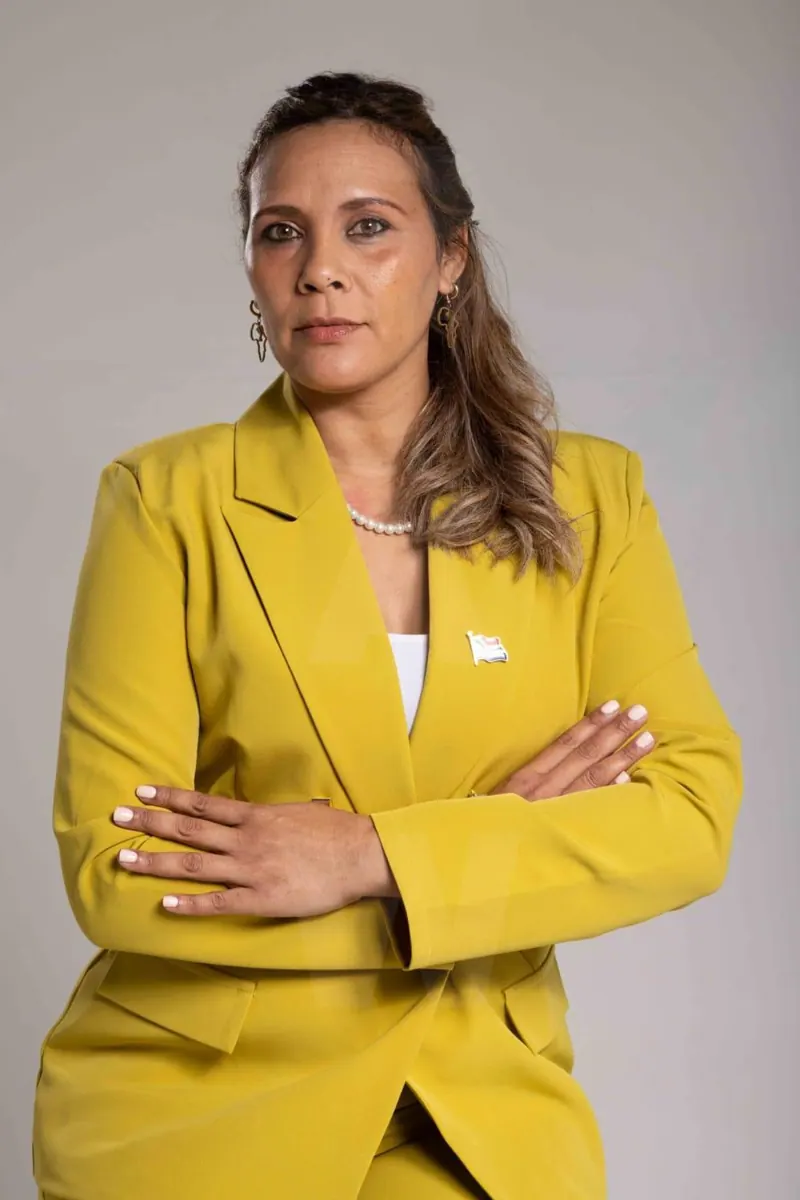
Gender activists and female candidates have expressed concerns about the disproportionately low number of women on election candidate lists. Despite women making up the majority of voters and activists, they remain under-represented in leadership positions. Yumna Alexander, the Hopeful Leaders Democrats' City of Cape Town mayoral candidate, finds it concerning that women do the bulk of community work but are still sidelined. She emphasized that women are the anchors of their communities and should take up their rightful places in leadership positions.
The historical context of male dominance in politics is cited as a reason for the current imbalance. Zelda Trantraal, ANC Women's League Dullah Omar Region chairperson and ward 25 candidate, explained that women have had to fight hard to prove themselves capable leaders. She acknowledged that women face challenges in navigating spaces where strong leadership by women is questioned. However, Trantraal also highlighted the enormous contributions women make when given the opportunity to lead.
Quanita Booley, an EFF candidate for ward 43, emphasized that simply putting women on lists is not enough if political spaces remain hostile. She noted that many women enter politics as community activists but struggle to navigate male-dominated structures alone. Booley called for a deeper examination of why women are not participating in greater numbers, citing the intimidating nature of politics for women.
The lack of parity has been described as both structural and dangerous for women who do put themselves forward. Amanda Gouws, Professor of Political Science at Stellenbosch University, highlighted that women candidates often face harassment and intimidation. Her research shows that women experience electoral violence, including threats, physical and sexual violence, and online harassment. Gouws emphasized that these factors contribute to the lack of parity for women in local government elections.
Enforcement of quotas for women candidates is also a challenge. Gouws noted that the ANC is the only party with a 50% quota for women, but even this quota is not strictly enforced. Without effective enforcement, women are unlikely to gain equal representation in local government councils. This highlights the need for stronger measures to promote gender equality in politics.
The issue of women's representation in politics is complex and multifaceted. While some progress has been made, much work remains to be done to achieve balanced representation. As the 2026 local government elections approach, parties are under pressure to address these concerns and promote greater inclusivity. The IEC and other stakeholders will be watching closely to see if parties make meaningful strides in increasing female representation.
Key points
- Male candidates make up 62% of the 136,790 certified candidates for South Africa's 2026 local government elections.
- Women account for only 38% of candidates, sparking concerns about gender representation.
- Female candidates often face harassment, intimidation, and electoral violence, which can discourage them from participating in politics.