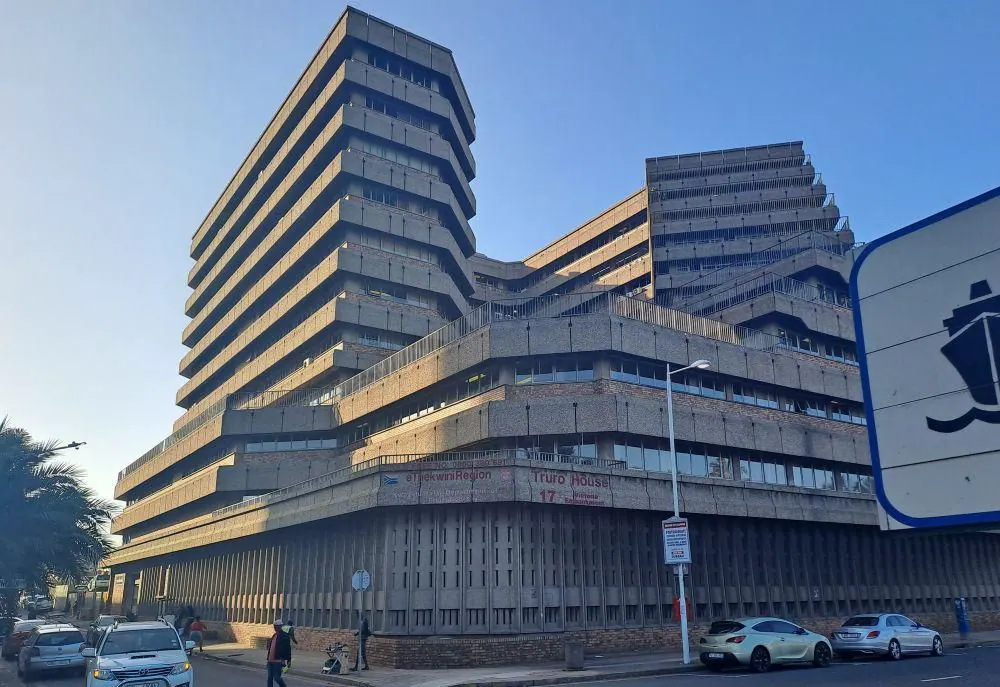
Dr Rajendran Govender has expressed sadness over the current state of Truro House in Durban, a building that holds special memories from an important chapter of his life and professional journey. Govender first walked into Truro House for an interview for the position of Assistant Director: Cultural Affairs and was subsequently appointed, with his office based there. The building played a significant role in his professional development in arts, culture, heritage, and public service.
Truro House carries historical significance, recalling the *Truro*, the ship that brought the first group of Indian indentured labourers to Natal in 1860. The descendants of these labourers would make an enormous contribution to the cultural, social, and economic development of South Africa. The building's auditorium was once a vibrant cultural space, extensively used for concerts, Deepavali and Christmas celebrations, and other cultural programmes and activities.
Govender fondly remembers the building's canteen, which served great food at subsidized prices and was a popular meeting place where colleagues gathered, friendships were strengthened, and conversations were shared. He also recalls the late Arnold Singh, who played an important role in the planning of the building. The building itself was maintained in excellent condition, with many remarkable people working there.
Govender emphasizes that buildings are more than bricks and mortar, becoming repositories of collective memory and carrying the footsteps, voices, dreams, and achievements of generations of people who passed through them. For him, Truro House represents memories of beginnings, opportunities, and growth. He walked into the building for an interview, not knowing how the experiences that followed would shape his future journey in cultural affairs, heritage, and public service.
The current state of Truro House has left Govender deeply saddened, lamenting that it has come to this. He believes that a building carrying such a historically significant name and which once played a significant role in public and cultural life deserves to be restored to the dignity it once enjoyed. Govender's reflections highlight the importance of preserving cultural heritage and historical buildings.
Govender is a social anthropologist and researcher, holding various positions, including Commissioner in the Cultural, Religious and Linguistic Rights Commission and Board Member of the Pan South African Language Board (PanSALB). His views on Truro House do not necessarily reflect those of IOL or post.co.za. The building's deterioration has sparked a conversation about the need to preserve and restore historical buildings in South Africa.
The story of Truro House serves as a reminder of the importance of preserving cultural heritage and historical buildings. Govender's reflections on his time at the building highlight the significance of Truro House in the history of South Africa, particularly in the context of the arrival of Indian indentured labourers in Natal. Efforts to restore the building to its former glory could help to preserve the country's cultural legacy.
Key points
- Dr Rajendran Govender recalls his years at Durban's Truro House, highlighting its cultural programmes and historical significance.
- Truro House was associated with the arrival of Indian indentured labourers in Natal in 1860.
- Govender laments the current state of Truro House, calling for its restoration to preserve cultural heritage.