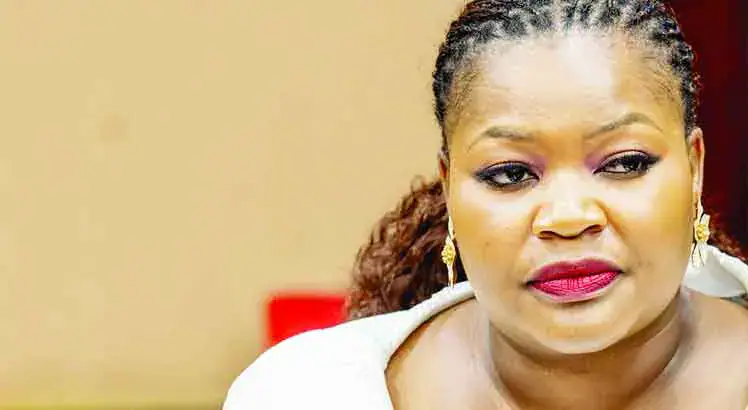
A month after Malawi's Minister of Health and Sanitation, Madalitso Baloyi, assured citizens that medicine shortages in public hospitals would be resolved within a week, essential medicines and medical supplies remain in short supply. Spot-checks in various districts across the country reveal that patients are being forced to buy prescribed medicines from private pharmacies or go without treatment. Many patients cannot afford private healthcare, exacerbating the issue.
Patients are bearing the brunt of the shortages, with some reporting distressing experiences at public hospitals. Amina Lajabu, from Traditional Authority Liwonde in Machinga, was advised to buy Salbutamol, a medicine she needs to manage her asthma, from a private pharmacy. Unable to afford it, she returned home without treatment, worsening her condition. Similar experiences were reported in other districts, including Chikwawa, Lilongwe, and Nsanje.
Hospital administrators and health officials acknowledge the severity of the situation. Chikwawa District Hospital administrator, Hope Moyo, described the situation as "dire," with shortages of essential medicines like paracetamol, ibuprofen, and Aspirin, as well as examination and surgical gloves. Blantyre District Director of Health and Sanitation, Gift Kawalazira, said the district is prioritizing life-saving medicines using limited resources.
The shortages are not limited to specific regions or hospitals. Spot-checks at Kamuzu Central Hospital and Bwaila District Hospital in Lilongwe found that several prescribed drugs were not available. Bwaila District Hospital had particularly serious shortages, with no painkillers and only a few diclofenac injections reserved for high-risk wards. The hospital's pharmacist reported that the facility had gone almost two weeks without painkillers.
District health officers and medical officials point to funding and supply chain weaknesses as contributing factors to the shortages. Nkhotakota District Health Officer, Jacob Kafulafula, said the district's 10 percent devolved drug allocation is being depleted faster than planned, raising concerns about the sustainability of the current situation. Unicef's 2025/26 Health Budget Brief reveals that development partners financed an average 54.5 percent of health expenditure between 2016 and 2022.
The Malawian government's 2026/27 national budget allocates K1.02 trillion to health, representing 9.2 percent of total spending, below the 15 percent Abuja Declaration target. The budget allocates K108.3 billion for medicines and medical supplies, but the Central Medical Stores Trust (CMST) faces financial difficulties, owing foreign suppliers about $18 million, limiting access to imported medicines.
The persistent medicine shortages expose deeper financing and procurement weaknesses in Malawi's health sector, which remains heavily dependent on external assistance. Patients, particularly those who cannot afford private healthcare, continue to bear the brunt of the shortages, highlighting the need for sustainable solutions to address the issue. The government and health officials must work together to resolve the shortages and ensure that public hospitals can provide essential medicines and medical supplies to those in need.
Key points
- Patients in Malawi's public hospitals are being forced to buy prescribed medicines from private pharmacies or go without treatment due to persistent medicine shortages.
- The shortages are attributed to funding and supply chain weaknesses in the health sector, which remains heavily dependent on external assistance.
- The Malawian government has allocated K108.3 billion for medicines and medical supplies in the 2026/27 national budget, but the Central Medical Stores Trust faces financial difficulties.
Reporting sources
- Promises, no drugs · The Nation