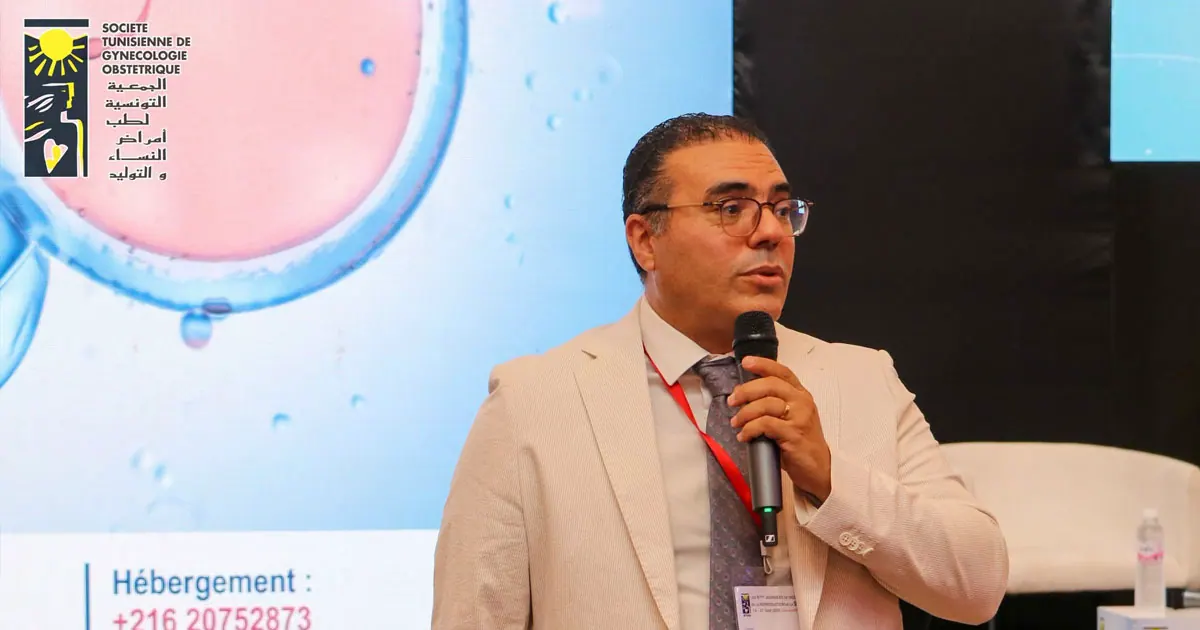
A medical conference was held in Gammarth, north of Tunis, from September 19-20, 2026, to address the growing issue of infertility in Tunisian society. The event, organized by the Tunisian Society of Gynecology-Obstetrics (STGO), brought together experts in the field to discuss the causes of infertility and available treatment options. According to Dr. Mechaal Mourali, president of the STGO and head of the gynecology-obstetrics department in Bizerte, infertility is a rising phenomenon in Tunisia.
Dr. Mourali attributed the increase in infertility to various factors, including pollution, lifestyle, stress, sedentary behavior, obesity, smoking, and alcohol and drug consumption. These factors can affect fertility in both men and women by altering the quality of spermatozoa or ovocytes, making it more difficult to conceive. He emphasized that improving fertility requires not only modern medical techniques but also changes in lifestyle, such as regular physical activity, stress reduction, and quitting smoking.
The conference highlighted the progress made in assisted reproduction techniques, which have significantly improved success rates. Dr. Mourali also mentioned the potential role of artificial intelligence in helping doctors and couples choose the best treatment options, including the evaluation and selection of the most suitable spermatozoa and ovocytes. This technology has the potential to further improve fertility treatment outcomes.
The event also explored the role of surgery in treating certain causes of infertility. Certain surgical interventions can improve fertility and address various problems encountered by women. Dr. Mourali stressed that a combination of lifestyle changes, modern techniques, and surgery, if necessary, offers multiple therapeutic options for addressing infertility.
The conference provided a platform for experts to share knowledge and discuss the latest developments in reproductive medicine. The event was attended by healthcare professionals and researchers who are working to address the growing issue of infertility in Tunisia. The discussions focused on the need for a comprehensive approach to fertility treatment.
According to Dr. Mourali, the key to improving fertility lies in a multi-faceted approach that includes lifestyle changes, medical treatment, and surgery. By addressing the root causes of infertility and providing a range of treatment options, healthcare professionals can help couples overcome fertility challenges. The conference highlighted the importance of collaboration and knowledge-sharing in this field.
The 5th Reproductive Medicine Conference in Tunis concluded with a renewed commitment to addressing the issue of infertility in Tunisia. The event provided a valuable opportunity for experts to share their expertise and discuss the latest advances in fertility treatment. The conference outcomes are expected to contribute to improved healthcare outcomes for couples struggling with infertility.
Key points
- The conference highlighted the need for a comprehensive approach to fertility treatment, including lifestyle changes, medical treatment, and surgery.
- Artificial intelligence has the potential to play a significant role in improving fertility treatment outcomes.
- The event provided a platform for experts to share knowledge and discuss the latest developments in reproductive medicine.