The media in Ghana has been urged to play a critical role in educating citizens on the technical aspects of the country's constitutional reform process. This call was made by Clara Osei-Boateng, a Governance Advisor at the British High Commission. She emphasized the importance of presenting complex issues in simple and understandable language to ensure public participation.
According to Madam Osei-Boateng, the constitutional review process is ultimately about citizens, making it crucial for the public to have sufficient information and meaningful opportunities to contribute to the outcome. Accurate and well-informed media coverage can also help generate public pressure on political leaders to pursue reforms that reflect citizens' concerns.
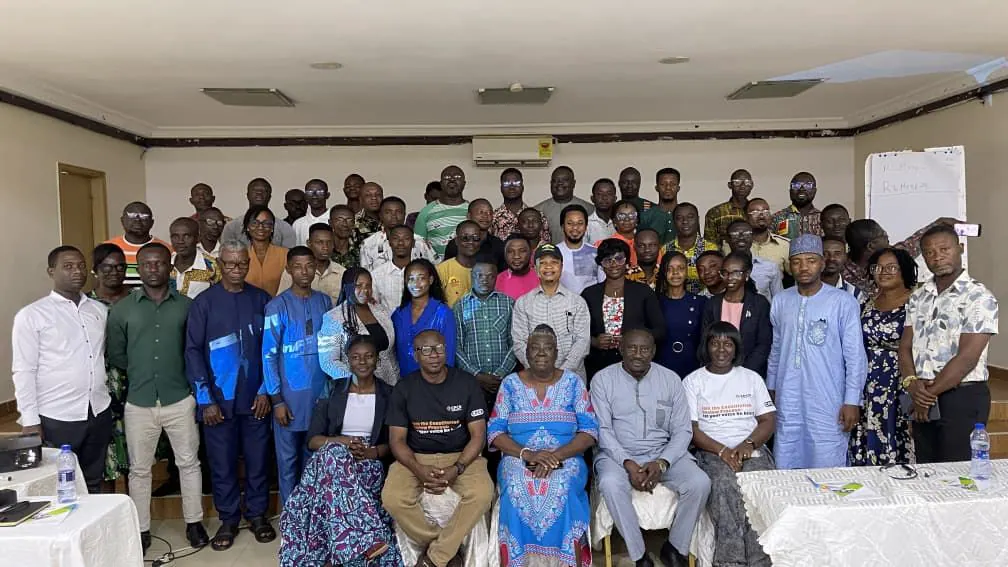
The comments were made during a two-day media engagement on constitutional reforms and other national issues. The event, convened by the Centre for Democratic Development (CDD-Ghana), STAR-Ghana Foundation, and Democracy Hub, had the British High Commission as a funding partner. The engagement aimed to equip journalists with the knowledge to effectively cover the constitutional reform proposals.
The media engagement also touched on the issue of illegal mining, popularly known as galamsey. Aba Oppong, Founder of the Right and Responsibility Initiative Ghana (RRIG), called for stronger community engagement in the fight against illegal mining. She noted that empowering people in affected communities with information about the environmental and social consequences of galamsey is crucial.
According to Aba Oppong, communities must understand both the impact of illegal mining and the role they can play in efforts to address the problem. The government has implemented measures to tackle illegal mining, including law-enforcement operations, reclamation of degraded lands, and the promotion of alternative livelihood opportunities.
The two-day engagement provided journalists with an opportunity to examine constitutional reform proposals and discuss the media's role in public education, accountability, and national development. This includes efforts to address illegal mining and promote good governance. The event aimed to enhance the capacity of journalists to report on these critical issues.
The constitutional reform process in Ghana is expected to be a comprehensive and inclusive exercise. The media's role in educating citizens and promoting public participation is critical to the success of this process. By simplifying complex issues and providing accurate information, the media can help ensure that citizens' voices are heard and their concerns addressed.
Key points
- The media has been urged to play a critical role in educating citizens on Ghana's constitutional reform process by presenting complex issues in simple language.
- Aba Oppong called for stronger community engagement in the fight against illegal mining, emphasizing the need to empower affected communities with information.
- The two-day media engagement was convened by the Centre for Democratic Development (CDD-Ghana), STAR-Ghana Foundation, and Democracy Hub, with funding support from the British High Commission.