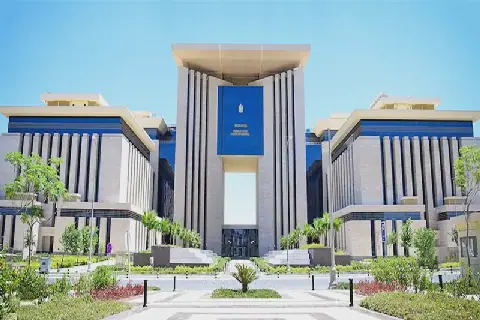
The second RUJobReady 2026 webinar, Entering the Profession: What Employers Look For, was held on 23 September at Rhodes University’s Africa Media Matrix building in Makhanda, with participants also joining online. The webinar was organised by senior students from the School of Journalism and Media Studies (JMS), in partnership with the Sol Plaatje Institute for Media Leadership. The initiative aimed to prepare students and recent graduates for the transition into the media and communications industry.
The discussion featured a panel of industry experts, including Rochelle de Kock, group head of News at Arena Holdings; Thami Dickson, news and current affairs editor at SABC’s Channel Africa; communications professional Lucky Dlamini; and communications specialist Tim Zunckel. They shared insights on employers’ expectations, recruitment challenges, and the skills required in an evolving media industry. De Kock emphasised that journalism had changed significantly, requiring professionals to develop skills beyond traditional reporting and writing.
According to De Kock, journalists are competing not only with other news organisations but also with social media content creators and digital platforms that influence how audiences discover information. She encouraged students to build professional portfolios before graduation, saying employers are more likely to consider candidates who can demonstrate their abilities through published work. De Kock suggested that students in Makhanda use opportunities such as the National Arts Festival to offer reporting, reviews, and multimedia content to publications.
Zunckel emphasised professional visibility and understanding potential employers’ needs. He encouraged students to research organisations they hope to work for, identify their challenges, and consider how their skills could help address them. Zunckel also encouraged students to establish professional relationships through platforms such as LinkedIn, while ensuring their interactions remain authentic and informed.
Dlamini highlighted the importance of interpersonal skills, arguing that qualifications and technical competence alone do not determine professional success. He identified communication, emotional intelligence, teamwork, conflict management, and the ability to receive feedback as essential workplace skills. Dlamini encouraged students to support claims made in their CVs and interviews with practical examples.
The discussion addressed citizen journalism and professional journalism, with Dickson emphasising formal training, credibility, and editorial standards as important distinctions between professional reporting and information shared on social media. Panellists also cautioned against exaggerating qualifications or experience in job applications, emphasising honesty and evidence of practical competence.
The webinar reinforced the idea that academic qualifications provide a foundation, but professional readiness also requires adaptability, initiative, and continuous learning. De Kock challenged students to become more curious and proactive, expressing disappointment at the limited number of questions from aspiring journalists. The next step for the graduates is to take these insights and start building their portfolios and professional networks.
Key points
- Media professionals stress the importance of building strong portfolios and developing digital and interpersonal skills to succeed in the competitive media industry.
- Industry experts emphasise that academic qualifications are not enough, and that professional readiness requires adaptability, initiative, and continuous learning.
- Panellists encourage graduates to be proactive, build professional relationships, and demonstrate their abilities through published work to increase their chances of securing employment.