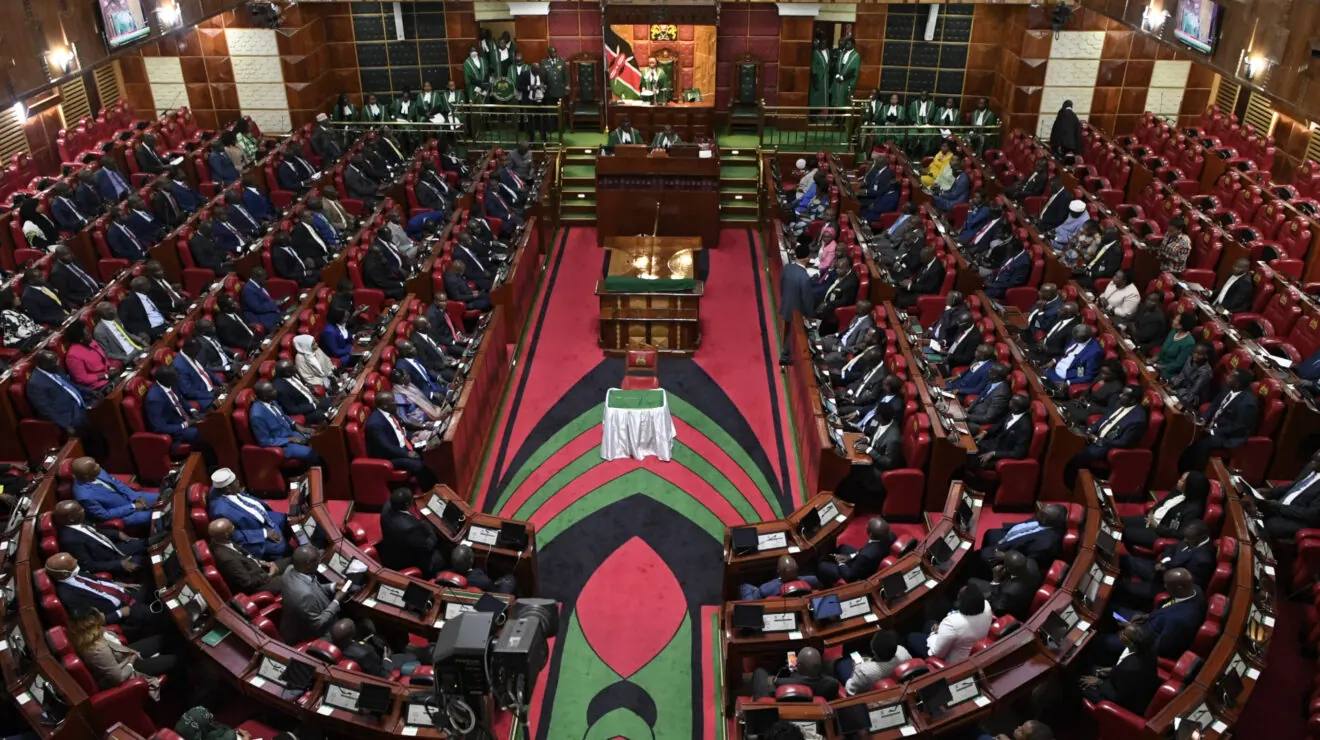
Growing concerns over freedom of the media in Kenya have sparked a heated debate among politicians and media stakeholders. As the country prepares for the August 10th, 2027 General Election, tensions are building, and some Members of Parliament are calling for sanctions against media houses they accuse of misreporting. A group of MPs, including Gladys Boss Shollei, Junet Mohamed, and Peter Kaluma, are leading the push for action against the media.
The proposed sanctions have raised eyebrows among media stakeholders, who argue that such measures could undermine press freedom. The Media Council of Kenya has responded to the MPs' calls, defending press freedom while acknowledging the right to criticize the media. The council's intervention aims to strike a balance between the need for responsible reporting and the protection of media freedom.
The debate over media freedom and regulation comes at a critical time, with Kenya's electoral landscape becoming increasingly polarized. The 2027 General Election will be a crucial test of the country's democratic institutions, and the role of the media in shaping public opinion will be closely watched. Media stakeholders are urging caution, warning that any attempts to restrict press freedom could have far-reaching consequences for Kenya's democracy.
The Media Council of Kenya's defense of press freedom is seen as a significant step in protecting the rights of media houses and journalists. However, some critics argue that the council's efforts may not be enough to counter the growing pressure from politicians seeking to regulate the media. The proposed sanctions have sparked a national conversation about the role of the media in Kenyan politics and the limits of press freedom.
The concerns over media freedom in Kenya are not unique, with many countries in the region facing similar challenges. The African Union has emphasized the importance of press freedom and the need for governments to protect the rights of journalists and media houses. In Kenya, media stakeholders are calling for a nuanced approach to regulating the media, one that balances the need for responsible reporting with the protection of press freedom.
As the debate over media freedom continues, Kenyan journalists and media houses are under increased scrutiny. The proposed sanctions have raised concerns about the potential for self-censorship and the impact on the quality of reporting. Media stakeholders are urging MPs to reconsider their proposal, warning that sanctions could have a chilling effect on the media and undermine the country's democratic institutions.
The Media Council of Kenya's efforts to defend press freedom have been welcomed by media stakeholders, who see the council's intervention as a crucial step in protecting the rights of journalists and media houses. The outcome of the debate over media freedom in Kenya will have significant implications for the country's democracy and the role of the media in shaping public opinion.
Key points
- Kenyan MPs propose sanctions against media houses for misreporting, sparking concerns over press freedom ahead of the 2027 General Election.