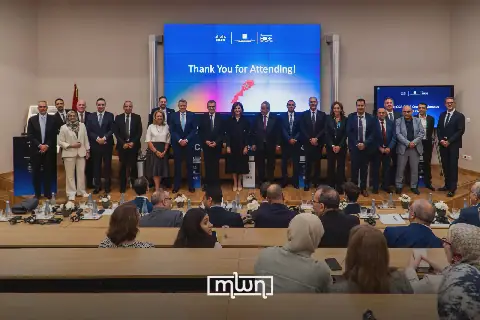
The 16th edition of the International Agricultural Investment and Technology Fair (SIAT) was held in Tunisia from October 28 to 31, 2026, under the theme "Investing in Resilient and Smart Agriculture to Strengthen Food Sovereignty." The event, organized by the Agricultural Investment Promotion Agency (APIA), brought together professionals from the agricultural sector to showcase innovations, meet investors and suppliers, and develop partnerships. This year's fair highlighted the importance of mechanization, new technologies, sustainable resource management, and innovative solutions for agricultural production and processing.
Tunisia's agricultural sector is facing significant challenges, including a decline in the rural population, an aging workforce, and a shortage of young, qualified laborers. The exodus of young people from rural areas to cities and abroad has led to a scarcity of manpower, particularly during peak periods such as planting, pruning, and harvesting. Women now play a central role in agricultural activities, especially in seasonal work, but often face poor working conditions, low wages, and lack of social protection.
The scarcity of agricultural labor has become a major constraint for Tunisian farms, leading to increased production costs, delayed cultural operations, and decreased productivity and profitability. In some cases, crops are abandoned or harvested late, resulting in significant economic losses. The situation not only affects individual farms but also hinders the development of the agricultural sector, reduces the availability of local products, and poses a challenge to food security.
Mechanization has transformed agriculture worldwide over the past two centuries, enabling farmers to perform tasks more efficiently and effectively. The introduction of steam-powered machines, tractors, and specialized equipment has increased productivity, reduced labor requirements, and improved working conditions. In Tunisia, mechanization is becoming essential to address the labor shortage, aging workforce, and rising labor costs, allowing farmers to maintain and develop their production while ensuring the sustainability of their activities.
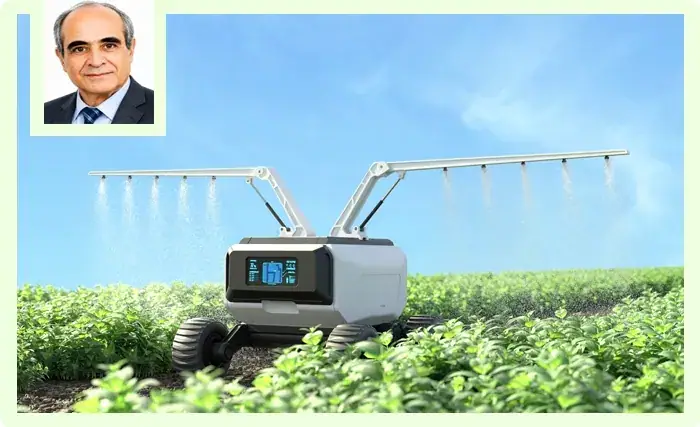
Despite progress in recent decades, Tunisia's agricultural mechanization remains insufficient and unevenly developed across regions, crops, and farm sizes. The country's fleet of agricultural tractors is estimated to be around 60,000, with a significant portion being outdated or inefficient. The adoption of new technologies, such as precision agriculture, robotics, and connected machines, offers opportunities for Tunisian farmers to improve resource management, reduce losses, and enhance productivity in the face of climate change and rising production costs.
The SIAT fair highlighted the importance of investing in resilient and smart agriculture to strengthen Tunisia's food sovereignty. The event showcased various innovations and solutions aimed at improving agricultural productivity, reducing losses, and promoting sustainable practices. By leveraging mechanization, technology, and innovative approaches, Tunisia's agricultural sector can overcome its challenges and ensure a more sustainable and food-secure future.
To achieve this goal, the Tunisian government and stakeholders must address the obstacles hindering the development of mechanization, including limited access to finance, inadequate infrastructure, and a lack of technical expertise. By investing in agricultural mechanization and technology, Tunisia can increase its agricultural productivity, reduce its reliance on imports, and ensure a more stable food supply for its population.
Key points
- Mechanization is crucial for improving agricultural productivity and ensuring food security in Tunisia.
- The country's agricultural sector faces significant challenges, including a shortage of labor, climate change, and rising production costs.
- The adoption of new technologies, such as precision agriculture and robotics, offers opportunities for Tunisian farmers to improve resource management and reduce losses.