The Midstream and Downstream Gas Infrastructure Fund (MDGIF) has successfully leveraged N671 billion of public capital to attract N1.6 trillion in private-sector investment into 31 gas infrastructure projects across Nigeria. This significant investment covers 205 infrastructure assets nationwide and is expected to deliver approximately 475 million standard cubic feet of gas daily to the domestic market once fully operational. The fund's strategic approach aims to utilize public resources to mitigate risks and make projects bankable, thereby stimulating private sector participation in the gas infrastructure space.
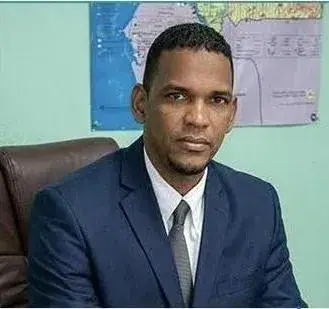
According to MDGIF's Executive Director, Oluwole Adama, represented by the fund's Director, Strategy, Research and Deal Origination, Elvis Duruji, the investments have facilitated the commencement of 127 projects, with 10 already commissioned. The fund's interventions have deliberately moved beyond conventional public-sector financing by attracting additional private investors into the gas infrastructure sector. This approach has enabled the fund to achieve a multiplier effect of approximately 2.4 times of capital, demonstrating the effectiveness of its strategy in leveraging public funds to attract private investment.
The MDGIF projects, when completed, are expected to increase domestic gas supply by about 25 per cent, based on current domestic production of approximately 1.9 billion scf per day. This increase in domestic gas supply is crucial for Nigeria's energy transition, as emphasized by the Federal Government. The government has reiterated that gas remains central to Nigeria's energy transition plans, highlighting the importance of these projects in meeting the country's growing energy demands.
In addition to increasing domestic gas supply, the MDGIF has also partnered with four flare-out awardees whose projects could monetise 444 million scf of gas daily that would otherwise have been flared. These partnerships have the potential to eliminate about 2,845 metric tonnes of emissions per day, contributing to Nigeria's efforts to reduce greenhouse gas emissions and mitigate the environmental impacts of gas flaring.
The MDGIF has collaborated with 30 unincorporated joint ventures and an incorporated equipment leasing company, covering 20 CNG mother stations, more than 80 CNG daughter stations, and another 75 daughter stations through the leasing company. One notable project is a 5 million scf mini-LNG plant being developed by Topline Limited in Delta State, which is Nigeria's first indigenous mini-LNG project. This project, after spending three years seeking financing, received MDGIF equity intervention, which helped unlock an InfraCredit guarantee, with commissioning expected within two to three months.
Despite the progress made by MDGIF, Adama identified high financing costs, inadequate infrastructure, regulatory uncertainty, and technical and commercial risks as significant factors constraining investment in the midstream gas sector. Addressing these challenges will be crucial to unlocking further investment and realizing the full potential of Nigeria's gas infrastructure.
At the 2026 annual conference of the Association of Energy Correspondents of Nigeria (AECAF) in Abuja, the Chief Executive of the Nigerian Upstream Petroleum Regulatory Commission (NUPRC), Oritsemeyiwa Eyesan, reiterated that the commission had approved Field Development Plans (FDPs) representing more than $57 billion in investment since 2024. This significant investment in the upstream sector underscores the government's commitment to attracting investment in Nigeria's oil and gas industry.
Key points
- The MDGIF has attracted N1.6 trillion in private-sector investment for 31 gas projects nationwide.
- The projects are expected to deliver approximately 475 million standard cubic feet of gas daily to the domestic market.
- The investments have facilitated the commencement of 127 projects, with 10 already commissioned.