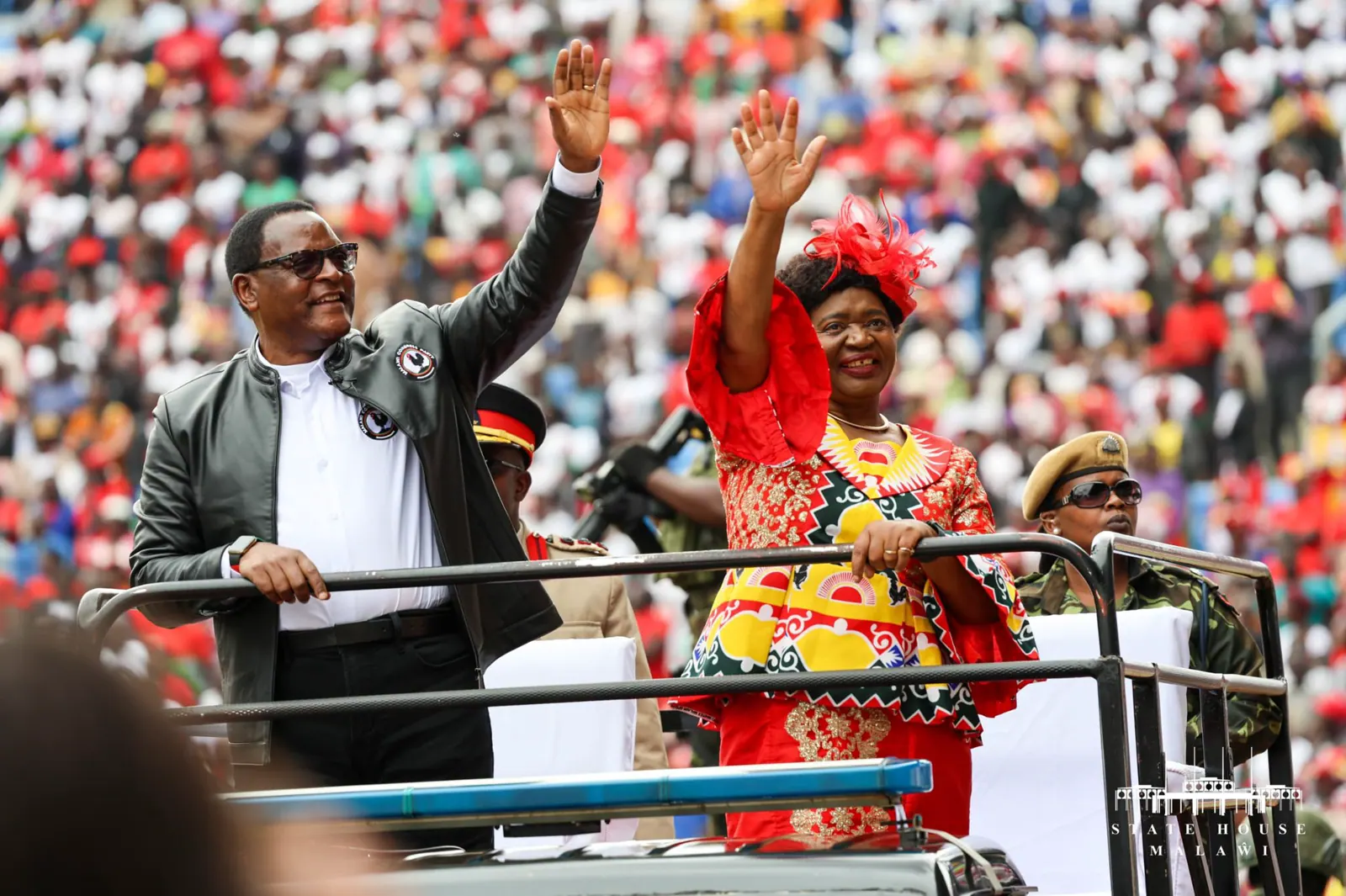
In 2013, Lazarus Chakwera, then Leader of Opposition in Parliament and president of the Malawi Congress Party (MCP), presented his party as a vehicle for renewal, promising a better and more prosperous country. He accused the Joyce Banda-led government of corruption and claimed his party had a multi-faceted approach to preventing and dealing with corruption. Chakwera's message resonated with many Malawians, and he went on to challenge President Peter Mutharika's leadership, blaming him for the country's economic problems.
Chakwera's criticism of Mutharika's leadership continued, with Chakwera declaring that Malawi's problem was not merely 'challenges', but 'failures' of leadership. He attacked the government over corruption, taxation, electricity shortages, public appointments, and the cost of living. However, when Chakwera himself was elected President in 2020, some of his previous criticisms seemed to fade away. His administration faced widespread corruption, nepotism, and tribalism, among other challenges.
Despite inheriting a country with serious economic problems, including droughts, external shocks, and declining aid, Chakwera's leadership was expected to make a difference. However, his administration struggled to address these issues, and the Tonse Alliance, which brought him to power, began to unravel. The MCP leader inherited a country with structural weaknesses that no president could simply wish away.
The Tonse Alliance, a coalition of nine parties, was formed to defeat Mutharika and his deeply entrenched DPP 'system' in 2020. However, governing together proved difficult, and MCP eventually tricked out its partners, including UTM, led by former vice-president Saulos Chilima. This has led to criticism that Chakwera's leadership style was not inclusive and did not prioritize the needs of his coalition partners.
Recently, MCP spokesperson Jessie Kabwila apologized for the party's mistakes in treating its alliance partners from 2020 to 2025. However, many have questioned whether the apology was sufficient and whether Chakwera himself has taken responsibility for the party's failures. Kabwila's apology has been seen as an attempt to make amends, but it has also raised questions about the party's future.
The MCP's biggest problem lies in its leadership, with many questioning Chakwera's ability to lead the party to success. Chakwera's previous criticisms of Mutharika's leadership now seem to apply to his own administration. The party's apology has been seen as a step in the right direction, but many believe that a more thorough post-mortem analysis of the party's failures is needed.
As the MCP looks to the future, it remains to be seen whether Chakwera will take responsibility for his administration's failures and make changes to the party's leadership. The party's supporters are eager for a new approach, one that prioritizes inclusivity, transparency, and accountability. Ultimately, the MCP's success will depend on its ability to learn from its past mistakes and adapt to the changing needs of the Malawian people.
Key points
- The MCP faces criticism over its leadership, with many questioning President Lazarus Chakwera's ability to lead the party to success.
- Chakwera's administration faced widespread corruption, nepotism, and tribalism, among other challenges.
- The party's apology has been seen as a step in the right direction, but many believe that a more thorough post-mortem analysis of the party's failures is needed.