French football star Kylian Mbappé has found himself at the center of a heated debate after his decision to wear a t-shirt in support of Ceuta, a Spanish city in North Africa, during a recent match. The t-shirt featured the phrase "Todos somos Caballas," which translates to "We are all Ceutans." However, Mbappé chose not to display the entire message, instead covering part of it, sparking speculation about his intentions. This move has sparked a wider conversation about the intersection of sports, politics, and social issues.
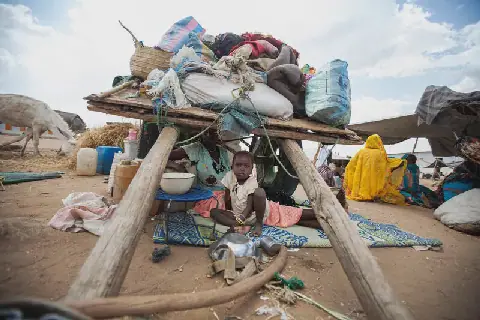
Mbappé's actions were seen as a show of solidarity with the people of Ceuta, who have been dealing with an influx of migrants crossing the Mediterranean from Morocco. The city has been overwhelmed by the sheer number of arrivals, leading to concerns about the humanitarian crisis. By wearing the t-shirt, Mbappé aimed to draw attention to the plight of both the people of Ceuta and the migrants who have lost their lives attempting to reach Europe. His actions were praised by some for highlighting the complexities of the issue.
However, not everyone was pleased with Mbappé's stance. Some right-wing groups in Spain, including the ultra-fanatical "Ultra Sur" group, took issue with his decision, accusing him of disrespecting Spanish citizens and values. They demanded an apology, claiming that his actions were an insult to the people of Ceuta. In France, Eric Zemmour, a far-right politician, also criticized Mbappé, suggesting that his actions were motivated by a sense of "Islamic solidarity" rather than a genuine concern for human rights.
Mbappé responded to the backlash by clarifying his intentions, stating that his goal was to show solidarity with both the people of Ceuta and the migrants who have lost their lives. He emphasized that he was not trying to take sides or prioritize one group's suffering over another. The footballer argued that human suffering is universal and that it is possible to empathize with multiple causes without diminishing the importance of any one issue.
The controversy surrounding Mbappé's t-shirt has raised important questions about the role of athletes in public discourse. While some argue that sports and politics should remain separate, others believe that athletes have a unique platform to raise awareness about social issues. Mbappé's actions have sparked a necessary conversation about the complexities of human migration and the need for empathy and understanding.
The debate has also highlighted the challenges faced by public figures who choose to speak out on sensitive issues. Mbappé has faced criticism from some who argue that he should focus solely on his football career and avoid making public statements on politics and social issues. However, the footballer has shown that he is willing to take a stand and use his platform to raise awareness about important issues, even if it means facing backlash.
Ultimately, Mbappé's stance on the Ceuta t-shirt issue has sparked a wider conversation about the intersection of sports, politics, and social justice. While opinions on the matter vary, it is clear that the footballer has used his platform to draw attention to an important issue and to promote a message of empathy and solidarity. As the debate continues, it remains to be seen how Mbappé's actions will be received by the wider public and what impact they will have on the ongoing conversation about human migration and social justice.
Key points
- Mbappé sparks controversy with stance on Ceuta t-shirt
- The footballer argues that human suffering is universal and that it is possible to empathize with multiple causes
- The debate has highlighted the challenges faced by public figures who choose to speak out on sensitive issues