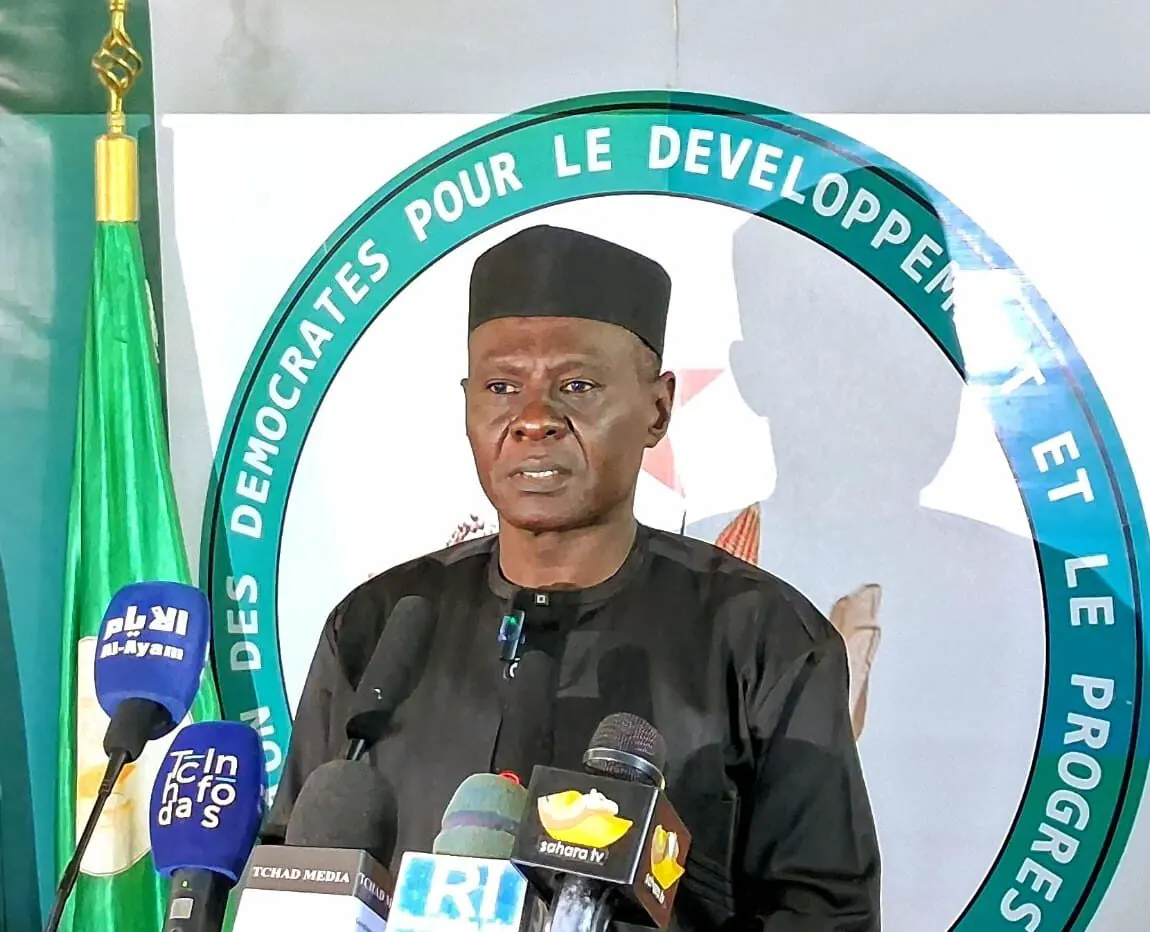
Max Kemkoye, the national president of Chad's Union for Democracy and Progress (UDP), has broken his silence after being released from prison following a presidential pardon. At a press conference on September 26, 2026, Kemkoye expressed concerns about the circumstances surrounding his release and questioned the government's intentions. He was sentenced to eight years in prison and later released, sparking speculation about the reasons behind his pardon.
Kemkoye contested the government's characterization of him as a former common-law inmate, arguing that his conviction was politically motivated. He cited a communiqué from the Deputy Prime Minister dated August 20, 2026, which outlined the implications of the presidential pardon on his civic and political rights. Kemkoye believes that his release was not solely due to the pardon, but rather was influenced by other factors.
The UDP leader took issue with the interpretation of Article 11 of the 2019 law on the Charter of Political Parties. He argued that this provision primarily concerns the creation and organization of political parties, rather than the status of individual party members. Kemkoye cited several examples of individuals who had faced convictions or controversy in the past, yet continued to hold public office.
Kemkoye rejected the label of "common-law inmate" applied to him and other released political prisoners. He emphasized that their detention was a result of their political activities and opinions, rather than ordinary crimes. According to Kemkoye, their cases involve the exercise of fundamental freedoms and political engagement, rather than offenses like theft or murder.
The UDP president highlighted the potential consequences of his conviction on his participation in upcoming elections. He referenced Article 5 of the 2024 Electoral Code, which restricts the electoral registration of certain categories of convicted individuals. Kemkoye argued that his conviction, now deemed final due to his withdrawal of his appeal following the presidential pardon, may bar him from voting or running in future elections.
Kemkoye's comments suggest that he is not willing to accept the status quo and will continue to challenge the government's actions. His release from prison was attended by a large media presence, which he saw as a deliberate move to contrast with the perceived secrecy surrounding his trial. The UDP leader's statements indicate that he will remain a vocal critic of the government's policies and actions.
The controversy surrounding Kemkoye's conviction and release has raised questions about the relationship between Chad's government and the political opposition. The UDP leader's allegations of "electoral elimination" imply that the government may be seeking to limit the participation of certain individuals or groups in the electoral process. The situation remains a subject of interest and concern for observers of Chad's politics.
Key points
- Max Kemkoye was sentenced to eight years in prison before being released through a presidential pardon.
- Kemkoye contests the government's characterization of him as a former common-law inmate.
- The UDP leader's conviction may impact his participation in upcoming elections due to restrictions under the Electoral Code.