The recent sexual assault on a six-year-old child in Mauritius has sparked widespread concern, with the suspect still actively being sought by law enforcement. The Ministry of Gender Equality and Family Welfare has promptly initiated psychosocial and legal support protocols for the victim and their family, while authorities have strongly condemned the heinous act. However, the fact that an identified suspect remains at large highlights the limitations of traditional alert methods when a dangerous individual is on the loose or a vulnerable person goes missing.
According to official statistics, between 500 and nearly 900 disappearance cases are reported to the police in Mauritius each year. Fortunately, over 95% of these cases are resolved favorably through the intervention of law enforcement, but several dozen people remain untraceable in the long term. Additionally, the number of foreign workers reported missing, as documented by employers, exceeds 2,000 cases over several years. This situation raises questions about the modernization of crisis management tools in a country that aspires to excel in digital transformation and cutting-edge technologies.
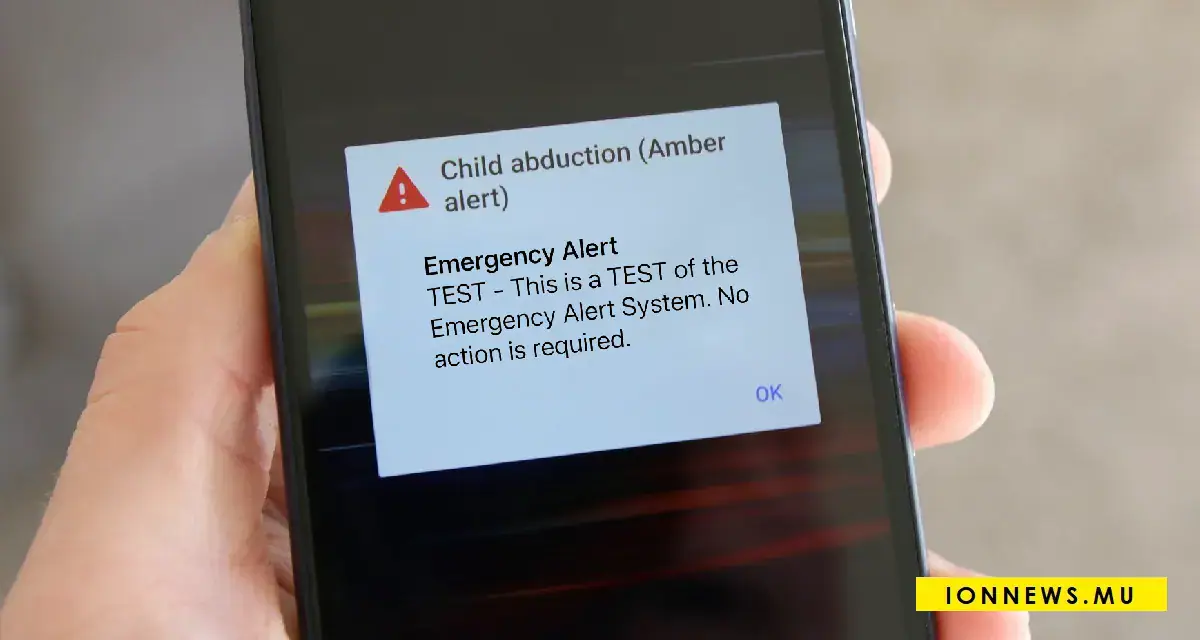
The absence of an instant and centralized citizen alert system in Mauritius is increasingly being questioned. International standards can be adopted by creating a genuine Amber Alert system, which would rely on the immediate dissemination of geolocated notifications with photos on the mobile phones of citizens within a given perimeter, using cell broadcast technology, without requiring any prior application. This system would enable the population to react quickly when they spot these individuals and report their presence to the authorities without delay.
A proposed Amber Alert system in Mauritius would utilize a graduated color code based on the level of gravity, ranging from the worrying disappearance of an elderly person or child to the pursuit of a dangerous suspect. Each device would instantly display essential details, allowing citizens to contribute to the search efforts. The collective reactivity of the population would significantly enhance the chances of quickly locating missing persons and apprehending fugitives.
The effectiveness of Mauritius' Safe City camera network is also being questioned. What is the current real effectiveness of this network in rapidly resolving disappearances? To optimize this national device, should the territorial mesh be extended to the entire island, and advanced facial recognition technologies and automated search tools be integrated, similar to those used abroad?
The combination of a citizen Amber Alert system and a modernized Safe City network would provide law enforcement with the necessary technological means to quickly locate missing persons and apprehend fugitives. This integrated approach would significantly enhance the country's ability to respond to safety concerns and disappearance cases.
As Mauritius continues to prioritize digital transformation and technological advancements, the implementation of an Amber Alert system and the modernization of the Safe City network have become pressing concerns. The authorities will need to address these issues to ensure the safety and well-being of citizens, particularly vulnerable populations such as children and the elderly.
Key points
- The recent sexual assault on a six-year-old child in Mauritius highlights the need for a more effective alert system.
- Over 95% of disappearance cases in Mauritius are resolved, but several dozen people remain untraceable in the long term.
- A proposed Amber Alert system in Mauritius would utilize cell broadcast technology to instantly disseminate geolocated notifications with photos to citizens within a given perimeter.