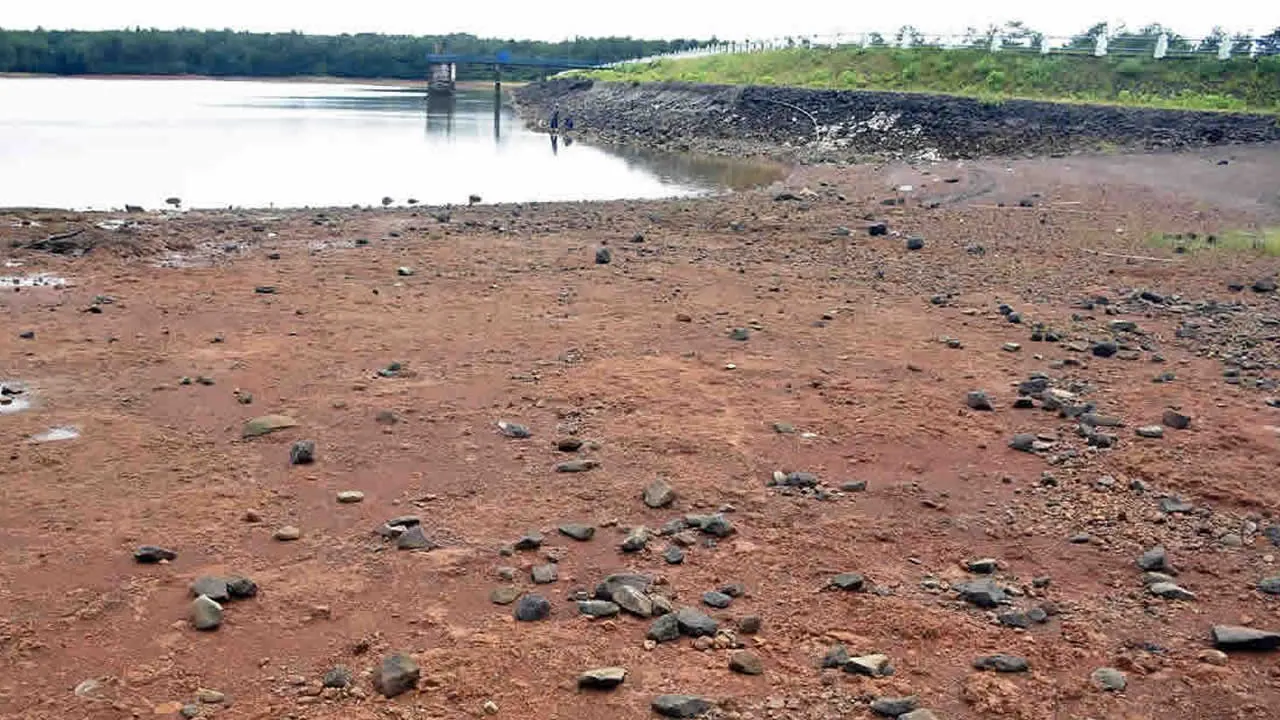
Mauritius is experiencing recurring water shortages, with droughts intensifying and rainfall becoming less predictable. The country's water management strategy is being questioned, with a focus on reusing treated wastewater. Currently, tens of thousands of cubic meters of treated water are discharged into the sea daily, which could be utilized to alleviate water shortages. Experts argue that rethinking water management and reuse is crucial for building resilience and water security.
Water reuse, or the practice of treating used water for reuse, is not new to Mauritius. In some areas, such as Grand Baie and St Martin, treated wastewater is used for irrigation and borehole injection. However, the country does far too little with this technology. The idea of reusing water for drinking, known as potable reuse, is gaining traction worldwide. Countries like Singapore and the US have already implemented potable reuse systems, with Singapore covering close to 40% of its water needs through recycling.
Potable reuse involves treating wastewater to meet drinking water standards through a series of engineered barriers and natural-based processes. There are two methods: indirect potable reuse (IPR) and direct potable reuse (DPR). IPR involves returning treated water to nature, where it blends with existing freshwater before being drawn out and treated again. DPR, on the other hand, involves supplying treated water directly to consumers without an intermediate environmental buffer. Namibia's city of Windhoek has been using DPR since 1968, with no recorded waterborne disease outbreaks.
Mauritius is not yet ready to implement potable reuse on a large scale, as it requires substantial planning, restructuring, and financial resources. The country needs to update its drinking-water regulations to match international standards, including screening for modern contaminants. However, experts argue that Mauritius should start climbing towards potable reuse, one step at a time, by trialing these methods on a modest scale and building know-how.
The current water crisis in Mauritius is severe, with some reservoirs dropping below half of their capacity and water rationing becoming a yearly fixture. The country's water security cannot be relied upon to depend on rainfall, and reusing water is seen as a way to build a supply that is less dependent on the next cloud. By adopting water reuse strategies, Mauritius can adapt and stay resilient as the climate turns against it.
Dushyant Bhuwanee, an environmental engineer, argues that Mauritius should start now and not wait for a massive national project. Smaller wastewater treatment plants can serve as starting points for trialing these methods and building know-how. The goal is to create a water supply that is less dependent on rainfall and can provide a safe and reliable source of drinking water for the population.
The implementation of water reuse strategies in Mauritius will require careful planning, public education, and regulatory updates. However, the benefits of potable reuse, including increased water security and reduced dependence on rainfall, make it an attractive solution for the country's water crisis. As the climate continues to change, Mauritius must adapt and explore new ways to manage its water resources.
Key points
- Mauritius faces worsening droughts and water shortages, prompting calls to adopt water reuse strategies.
- Potable reuse, or the practice of treating wastewater for drinking, is gaining traction worldwide, with countries like Singapore and the US already implementing such systems.
- Mauritius can start by trialing water reuse methods on a modest scale and building know-how before expanding across the island.