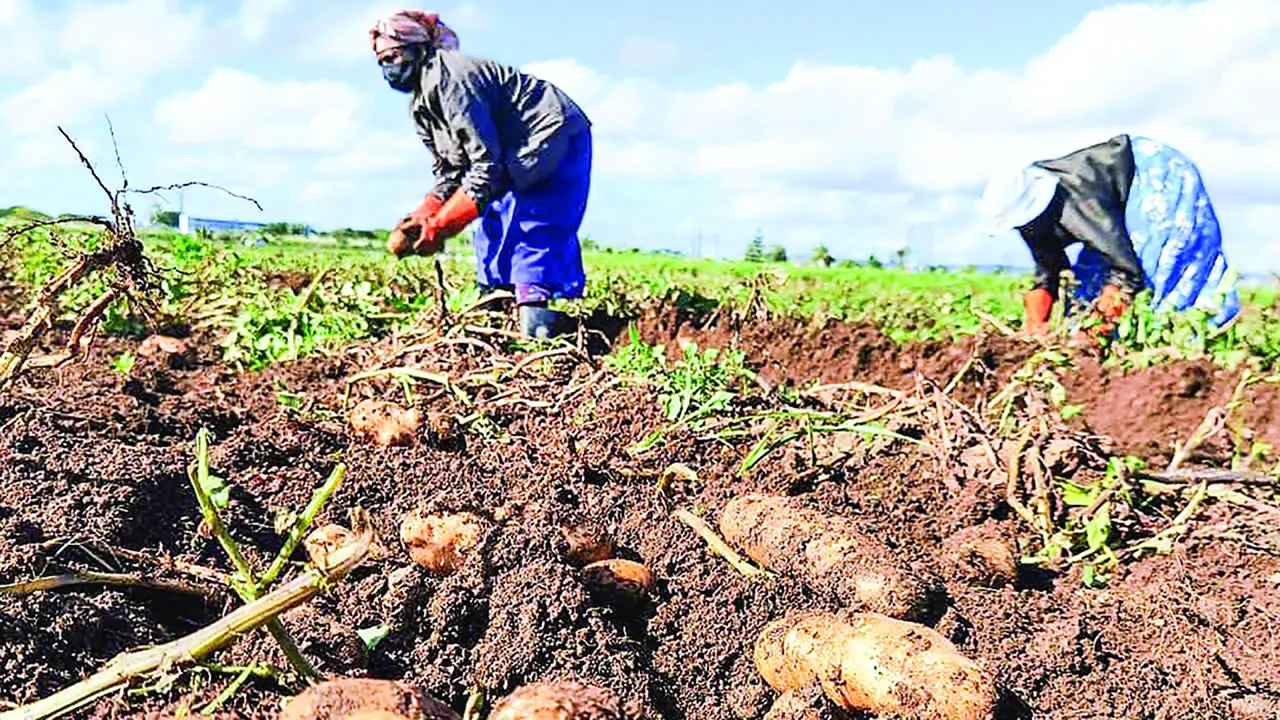
The Mauritian government has taken steps to strengthen the control of pesticides in the agricultural sector by introducing four new regulations. These regulations are expected to be finalized and implemented by December 2026. The new rules aim to address the persistent issues of pesticide misuse and residue in agricultural products. According to the Pesticides Regulatory Office (PRO), 21.63% of fruits and vegetables analyzed in January 2026 did not meet the required standards for pesticide residues.
The regulations are part of the Use of Pesticides Act 2018 and have been developed in consultation with stakeholders, including farmers, agricultural experts, and consumer associations. The regulations will set maximum residue limits for pesticides in local and imported produce, specify sampling methods and frequencies for pesticide residue testing, and regulate the mixing, application, and disposal of pesticides. The regulations will also require the training and certification of pesticide users.
The Minister of Agro-Industry, Arvin Boolell, has expressed hope that the new regulations will be fast-tracked and implemented soon. He emphasized the importance of educating farmers on the proper use of pesticides and the need for strict controls to ensure consumer safety. The Ministry of Agro-Industry is working closely with the Ministry of Health to ensure that the regulations are effective in protecting public health.
One of the key aspects of the new regulations is the requirement for farmers to be trained and certified in the use of pesticides. The Agricultural Services department, in collaboration with the Food and Agricultural Research and Extension Institute (FAREI), will conduct awareness campaigns and provide training to farmers on the safe use of pesticides. Farmers will also be provided with equipment, such as measuring cups and protective gear, to ensure safe handling and application of pesticides.
The regulations will also introduce a system of traçabilité for agricultural products, which will enable consumers to access information about the product, including its origin, production methods, and certification status. A pilot project using QR codes is being implemented in partnership with the Association of Consumers of Mauritius and the UNDP. This project aims to provide consumers with accurate information about the products they purchase.
The new regulations have been developed with the support of the UNDP-funded ISLANDS project, which aims to promote sustainable and non-chemical development in small island developing states. The regulations are expected to improve the safety and quality of agricultural products in Mauritius and enhance the country's compliance with international standards.
The implementation of the new regulations will be accompanied by a system of sanctions for non-compliance. However, Minister Boolell has emphasized that the government will prioritize education and awareness-raising over punitive measures. The government aims to achieve a high level of compliance with the regulations through a combination of education, training, and enforcement.
Key points
- The new regulations will set maximum residue limits for pesticides in local and imported produce.
- The regulations will require the training and certification of pesticide users.
- A system of traçabilité will be introduced to enable consumers to access information about agricultural products.