The Mauritian government has initiated consultations with non-governmental organizations (NGOs) to address the challenges faced by young people and their families, including juvenile violence and addiction. The discussions, which began on October 29, focus on issues such as education, poverty, mental health, and domestic violence. The goal is to develop effective measures to support families and prevent youth deriance. Deputy Kaviraj Rookny emphasized the need for a comprehensive approach, taking into account the diverse realities of Mauritian youth.
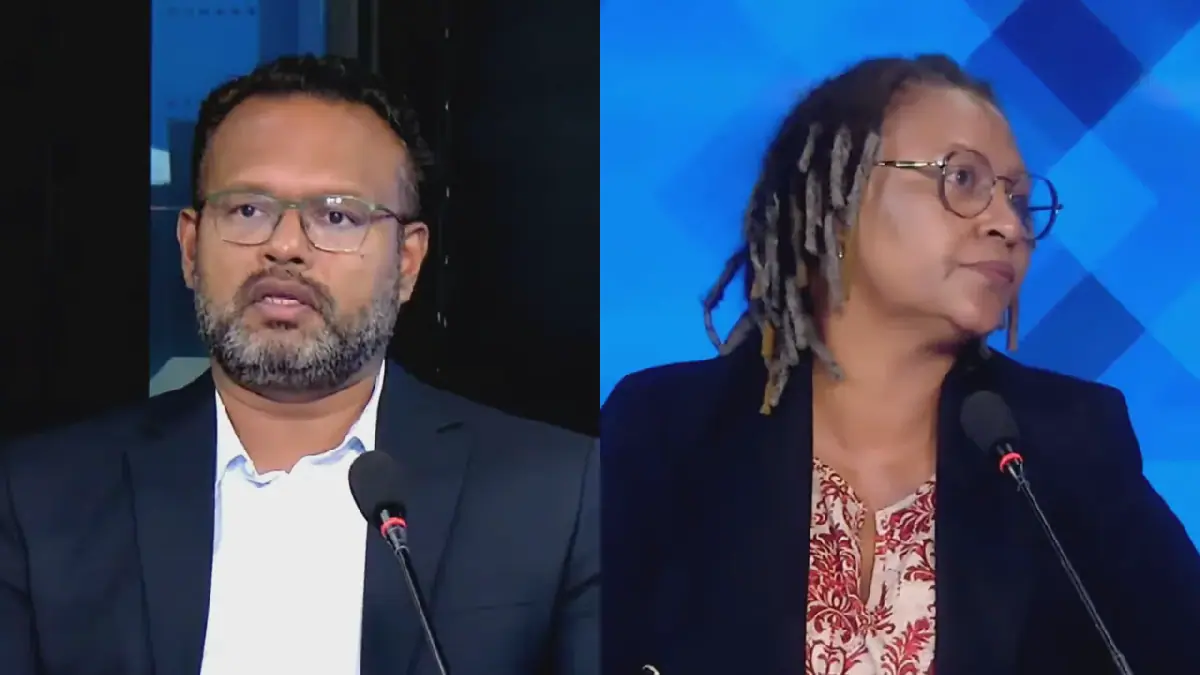
Deputy Kaviraj Rookny, who was part of the discussion on "Au Cœur de l'Info," highlighted the importance of understanding the root causes of youth problems, including violence and addiction. He welcomed the government's initiative to engage with NGOs and professionals, stressing that a collaborative effort is necessary to find effective solutions. Rookny cautioned against a one-size-fits-all approach, emphasizing that the needs and circumstances of young people vary greatly.
Priscilla Grégoire, coordinator at the Ministry of Gender Equality and Family Welfare, presented an approach that focuses on empowering parents through the Parental Empowerment Programme. The program, which includes Parental Strength Circles, aims to bring parents together with the support of NGOs and community relays to address their concerns. Grégoire emphasized the importance of listening to parents and understanding their challenges, allowing for tailored interventions and support.
The Ministry of Gender Equality and Family Welfare's approach has shown positive results, particularly in the Olivia region, where community members organized to support around 40 children, some of whom come from families affected by addiction. The initiative provided daily necessities, including school preparation, meals, and academic support, resulting in reduced absenteeism and improved behavior among the children.
Stéphanie Ha Yeung, manager of the Adolescent Non-Formal Education Network (ANFEN), highlighted the organization's work in providing an alternative education system for adolescents who struggle in traditional schools. ANFEN supports around 1,000 adolescents annually, offering a tailored environment that addresses their needs and pace. Ha Yeung emphasized the importance of establishing trust with these young people before initiating academic learning.
The discussion also touched on the role of businesses in supporting social initiatives and the need for sustainable funding for projects. Deputy Rookny stressed that the responsibility for addressing youth challenges lies with the entire society, and collective action is necessary to create a supportive environment for families and young people.
The Mauritian government's consultations with NGOs and professionals aim to develop concrete measures to address youth violence and addiction. The initiatives presented during the discussion, including the Parental Empowerment Programme and ANFEN's alternative education system, demonstrate the potential for collaborative efforts to make a positive impact on the lives of young people and their families.
Key points
- The Mauritian government has initiated consultations with NGOs to address youth violence and addiction by supporting families and addressing social issues.
- Deputy Kaviraj Rookny emphasizes the need for a comprehensive approach, taking into account the diverse realities of Mauritian youth.
- The Ministry of Gender Equality and Family Welfare's Parental Empowerment Programme has shown positive results in supporting parents and addressing youth challenges.