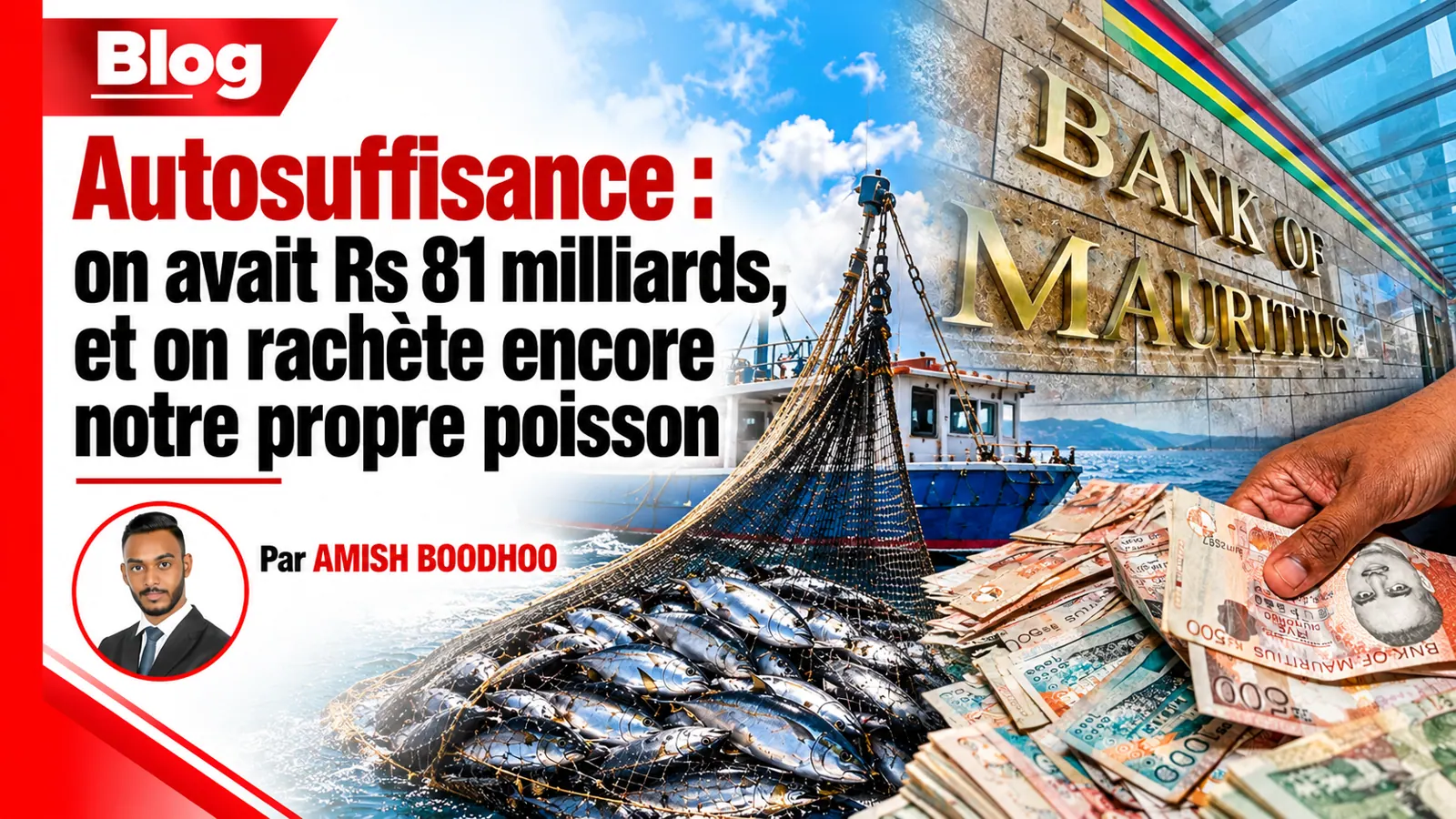
In 2020, the Mauritian government established a Rs 81 billion fund, known as the Mauritius Investment Corporation (MIC), to boost economic growth. However, six years later, the fund has faced criticism for its mismanagement. A significant portion of the funds was allocated to large corporations, including Airport Holdings, the parent company of Air Mauritius, and several hotel groups. This has raised concerns among citizens and experts about the fund's effectiveness in achieving its intended goals.
The MIC's financial struggles have been highlighted, with a loss of over Rs 6.8 billion in the 2024-2025 financial year. Additionally, Airport Holdings still owes the fund Rs 5.9 billion, and four companies financed by the MIC are under liquidation or administration. The Financial Crimes Commission (FCC) is investigating several decisions made by the fund's management. The current government has taken steps to rectify the situation, with the Bank of Mauritius recovering unspent funds and planning to gradually exit the MIC.
Experts and citizens have expressed concerns that the fund's mismanagement has led to a missed opportunity for Mauritius to invest in its citizens' well-being and economic growth. The idea of a national fund was not flawed, but its implementation was poor. A well-managed fund could have invested in sectors that benefit small producers and citizens, such as agriculture, fisheries, and renewable energy. This could have helped to increase the value of Mauritian products and reduce dependence on imports.
One of the key areas where the fund could have made a significant impact is in the agriculture sector. For example, the production of sugarcane, a major crop in Mauritius, could have been diversified to include value-added products such as biofuels, rum, and specialty sugars. However, small planters have struggled to make a living from sugarcane production, and the industry has declined in recent years. A national fund could have invested in supporting small planters and promoting alternative crops such as hemp and medical cannabis.
The fishing industry is another sector where Mauritius has missed opportunities. The country's large maritime zone provides an abundance of fish, but much of it is caught by foreign vessels and processed abroad. This results in Mauritius importing back its own fish, often in processed form, at a higher cost. A national fund could have invested in supporting local fishermen and investing in fish processing and conservation infrastructure, allowing Mauritius to retain the value of its marine resources.
To avoid similar mistakes in the future, experts propose that a new national fund should prioritize investing in sectors that benefit small producers and citizens. This could include supporting cooperative enterprises, investing in renewable energy, and promoting value-added products. A well-managed fund could also help to promote transparency and accountability in government contracting and procurement processes.
The concept of a national fund can still be salvaged, and experts propose that it could be restructured to prioritize investments in key sectors such as agriculture, fisheries, and renewable energy. By investing in these areas, Mauritius can promote economic growth, reduce dependence on imports, and increase the value of its natural resources. Ultimately, the goal of a national fund should be to promote autosufficiency and economic resilience, allowing Mauritius to better withstand external shocks and challenges.
Key points
- The mismanaged MIC fund has resulted in significant financial losses and raised concerns about its effectiveness in achieving its intended goals.
- A well-managed national fund could have invested in sectors that benefit small producers and citizens, such as agriculture, fisheries, and renewable energy.
- Experts propose that a new national fund should prioritize investing in sectors that benefit small producers and citizens, promoting transparency and accountability in government contracting and procurement processes.