The issue of food safety and quality has become a pressing concern in Mauritius, with many citizens worried about the impact of imported products on their health. The author of a recent article on Scoop.mu highlights the alarming rate at which toxic chemicals are being used in the production of food, particularly in the agricultural sector. The use of pesticides, synthetic fertilizers, and other chemicals has become widespread, with many of these substances banned in other countries.
The Dangerous Chemicals Control Board (DCCB) is responsible for regulating the importation and production of chemicals in Mauritius. However, the board's effectiveness has been questioned, with many critics arguing that it is not doing enough to protect the public. The DCCB issues permits to companies such as Bychemex, Coroi, and MCAF, but there is little monitoring of these substances once they are in use. This lack of oversight has led to concerns about the safety of the food supply.
One of the main problems is the widespread use of glyphosate, a chemical linked to cancer. The minister of Health has acknowledged that intensive spraying of pesticides has turned fields into "killing fields" and that overuse can lead to serious public health hazards, including heightened cancer risks. Furthermore, research has shown that 485 molecules that cause breast cancer are found in pesticides, with many of these substances not being declared as active ingredients.
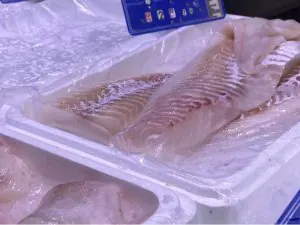
The issue is not limited to pesticides, as the quality of imported food products has also been called into question. The author notes that many supermarkets are selling cheap, low-quality products that have been rejected by other countries. These products often contain high levels of chemicals, water, and other additives that can be harmful to human health. For example, frozen fish products have been found to contain high levels of water, polyphosphates, and sulfites.
The Mauritian government has been criticized for its handling of the situation, with many arguing that it is prioritizing economic interests over public health. The government has invested Rs 10 billion in a non-priority highway project, but has not allocated sufficient funds to support sustainable agriculture and improve food safety. The minister of Commerce has announced plans to import cheap chicken from Brazil, which has raised concerns about animal welfare and food safety.
The impact of these issues is being felt across the country, with many citizens struggling to access healthy and affordable food. The author notes that 10,500 hectares of land have been converted into real estate projects, leading to a decline in food production. In 1980, Mauritius was 75% self-sufficient in food production, but this number has dropped to just 25%. The consequences of this are severe, with many citizens relying on imported products that are often of poor quality.
To address these issues, the government will need to take a comprehensive approach that prioritizes food safety and sustainability. This will involve investing in sustainable agriculture, improving food safety regulations, and promoting healthy eating habits. The public will also need to be educated about the risks associated with cheap, chemically-treated food products and the importance of supporting local farmers who produce high-quality, sustainable food.
Key points
- The Mauritian government has been criticized for prioritizing economic interests over public health in its handling of food safety and quality concerns.
- The widespread use of pesticides and other chemicals in agriculture has become a major concern, with many of these substances linked to cancer and other health problems.
- The quality of imported food products has also been called into question, with many supermarkets selling cheap, low-quality products that contain high levels of chemicals and additives.