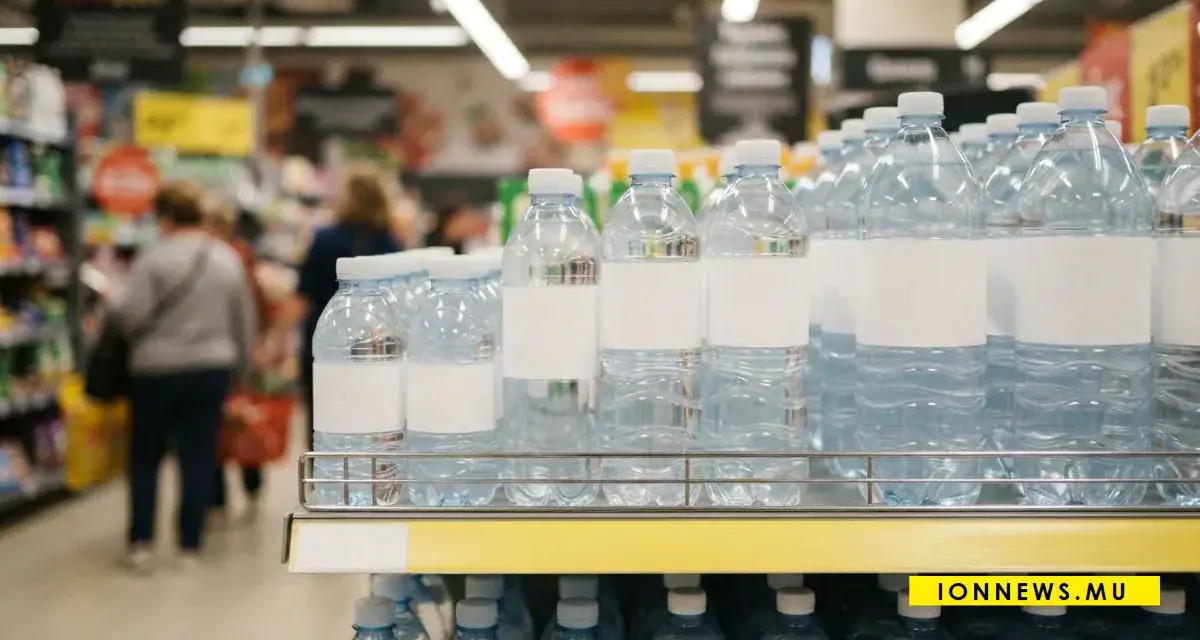
The Mauritian government has introduced a maximum retail price for bottled water, effective immediately. The new prices, inclusive of Value-Added Tax (VAT), are set at Rs 25 for 500ml, Rs 35 for 1 liter, and Rs 40 for 1.5 liters. This move aims to regulate the prices of bottled water in the country, particularly in areas where prices have been significantly higher than usual.
However, the introduction of this price cap raises questions about its effectiveness, as most locally bottled 1.5-liter water bottles are already sold at prices ranging from Rs 23 to Rs 26. For regular consumers who purchase their groceries at supermarkets or buy in bulk, the new price ceiling is significantly higher than what they currently pay. As a result, this measure is unlikely to lead to an immediate reduction in the average price paid by households for common brands.
The government's decision primarily targets small businesses, kiosks, tourist areas, and food establishments that often charge inflated prices for bottled water. These outlets sometimes apply substantial markups on essential items, and the new price cap aims to prevent such practices. By setting a relatively high ceiling compared to current prices, the authorities aim to curb excessive margins without imposing blanket controls that could disrupt the market for imported premium water brands.
Certain segments, including hotels, guesthouses, and duty-free shops, are exempt from this measure, as are food establishments that produce and bottle their own water for on-site consumption. This exemption is designed to avoid disrupting normal business practices in these sectors. The government's approach is focused on protecting occasional buyers who may be exposed to inflated prices outside of regular retail channels.
The new regulations are intended to act as a safety net against opportunistic price hikes, rather than a comprehensive reform of the local water market. The authorities have chosen not to impose stricter controls, which could have a broader impact on the market. By setting a clear limit on prices, the government aims to promote fair trade practices and protect consumers from excessive charges.
Industry stakeholders will be monitoring the impact of this measure on the market and consumer behavior. The government's decision reflects its efforts to balance the need to regulate prices with the goal of maintaining a competitive market. The effectiveness of this approach will depend on its implementation and enforcement.
The maximum retail price for bottled water is a key aspect of the government's strategy to regulate essential goods and services. This move is expected to have a positive impact on consumers, particularly those who rely on bottled water as a convenient and affordable option. The government's actions demonstrate its commitment to protecting consumer interests and promoting fair market practices.
Key points
- The Mauritian government has set maximum retail prices for bottled water to curb excessive margins and protect consumers from inflated prices.
Reporting sources
- ION News · ION News