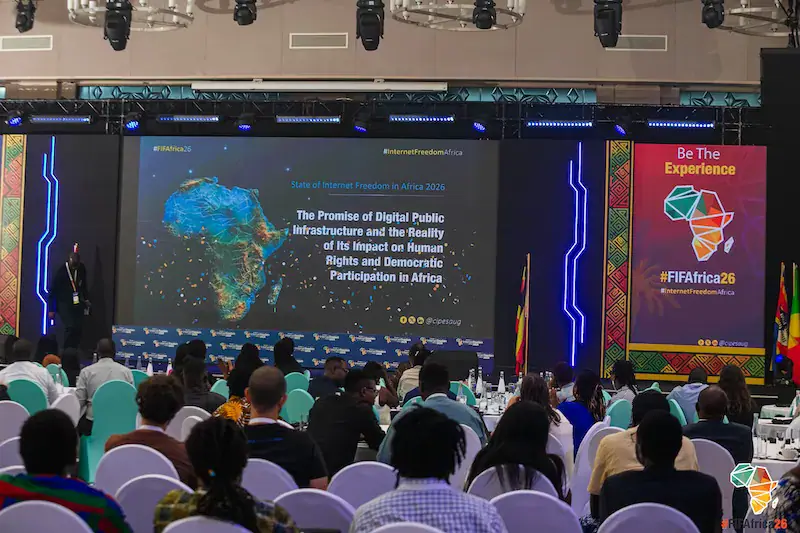
African governments can learn from Mauritius' approach to digital development, which has enabled the island nation to consistently rank high in areas such as peace and security, economic freedom, and governance. The country's leadership has prioritized digital infrastructure, innovation, and social development, making it an attractive destination for technology and digital infrastructure investment in Africa. With a cybersecurity score of 96.89 percent, Mauritius has set a high standard for digital security in Africa.
Mauritius' ICT Minister, Dr. Avinash Ramtohul, acknowledged the country's past mistakes, including restricting internet access during protests in November 2024. He promised that such a move would not happen again, emphasizing the importance of protecting citizens' freedom of expression and digital rights. The government has implemented measures to ensure business continuity, including requiring key players in the digital ecosystem to meet broader operational requirements. This approach has enabled essential services to remain operational even when one system fails.
Dr. Ramtohul highlighted the need for digital openness to be accompanied by protection for vulnerable groups, especially children, from exploitation and illegal transactions. The government has introduced an app that allows parents to control what their children can access, limit screen time, and switch off their phones remotely. With about 80 percent of its 1.32 million people online and 100 percent electricity coverage, Mauritius has made significant progress in digital inclusion.
The country's National AI Strategy, launched in 2018, was the first by an African country and led to the establishment of the Mauritius Emerging Technologies Council. The council is responsible for AI awareness and development, and the government offers over 200 e-services, including Smart Traffic and Smart Police apps. The InfoHighway platform enables agencies to share data, reducing the time and cost of government-to-government, government-to-business, and government-to-citizen transactions.
Mauritius ranked first in Africa in the 2016 UN eGovernment Index, partly due to its youth engagement program and ICT awareness campaign for senior citizens. The country's Digital Mauritius 2030 Strategic Plan aims to advance technologies and content production in areas such as ultra-high-definition television, 3D television, blockchain, and the Internet of Things. These ambitions have helped position Mauritius as a leader in digital development in Africa.
Dr. Wairagala Wakabi, executive director of CIPESA, emphasized the need for African governments to promote socioeconomic transformation and innovation while respecting individuals' rights. He challenged governments to address the continent's limited AI capacity, with only 1 percent of global AI capacity despite having 18 percent of the world's population. Wakabi stressed that AI governance requires investment in infrastructure, digitalized justice systems, inclusion, and digital rights.
The University of Mauritius and Middlesex University Mauritius are expanding courses in AI, data science, and digital literacy to close the skills gap. The country's digital economy is now its third pillar, and the government is working to review its training programs to meet the needs of the labor market. With its digital sovereignty and progressive laws, Mauritius is well-positioned to take a leading role in Africa's digital development.
Key points
- Mauritius' leadership and digital infrastructure serve as a model for African countries.
- The country has made significant progress in digital inclusion, with about 80 percent of its population online.
- Mauritius is investing in emerging technologies, such as AI, blockchain, and the Internet of Things, to drive its digital economy.
Reporting sources
- Mauritius shows the digital way, but will Africa listen? · The Observer