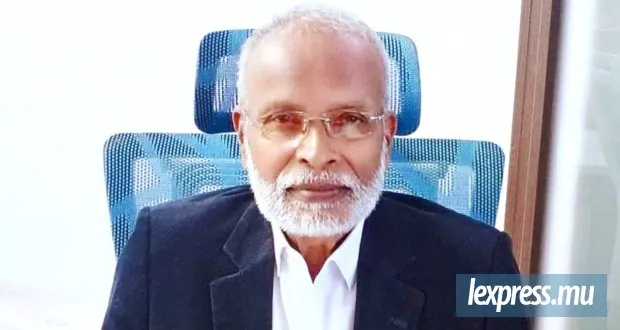
On the occasion of the International Day of Older Persons, Vijay Naraidoo, president of the Senior Citizens Council in Mauritius, highlighted the challenges faced by seniors in the country. According to official statistics, the proportion of citizens aged 65 and above continues to rise, with the dependency ratio increasing from 431.7 per 1,000 in 2024 to 441.4 in 2025. This trend requires a rethink of policies to address the needs of ageing citizens.
Naraidoo identified several key challenges facing seniors in Mauritius. The first is changing societal attitudes towards ageing, with a need to promote a culture of respect and dignity for older persons. The second challenge is ensuring access to healthcare and autonomy, with many seniors facing chronic illnesses, mobility issues, and social isolation. The government has announced measures to address these challenges, including extending medical visits to the homes of citizens aged 85 and above.
The cost of living is a significant concern for many seniors in Mauritius, particularly those living on fixed incomes. Naraidoo noted that even moderate price increases for essential goods and services can erode the purchasing power of pensioners. The most significant expenses for seniors are food, electricity, gas, transportation, and housing. Additionally, healthcare costs, including medications, private consultations, and medical devices, can be a significant burden.
To address these challenges, Naraidoo called for a comprehensive approach that prioritizes the dignity and human rights of older persons. This includes strengthening healthcare and support services, improving infrastructure, and promoting digital inclusion. He also emphasized the need for intergenerational dialogue and cooperation, recognizing the valuable contributions that seniors can make to society.
The shift from extended families to nuclear families has also changed the way seniors interact with their families and communities. With younger generations often living and working away from home, seniors may experience social isolation and disconnection. Naraidoo argued that new forms of solidarity and community engagement are needed to support seniors and promote intergenerational relationships.
The Mauritian government has announced measures to support seniors, including investments in healthcare and social services. However, Naraidoo emphasized that more needs to be done to address the root causes of poverty and exclusion among seniors. This includes promoting education and training, improving access to healthcare, and supporting community-based initiatives that bring people together.
In conclusion, Naraidoo emphasized the need for a society that values and respects its seniors. This requires a fundamental shift in attitudes and policies, recognizing the contributions and dignity of older persons. By working together, Mauritians can build a more inclusive and supportive society that promotes the well-being of all citizens, regardless of age.
Key points
- The cost of living is a significant challenge for seniors in Mauritius
- Ageing population requires a rethink of policies to address needs of older citizens
- Intergenerational dialogue and cooperation are essential for building a more inclusive society