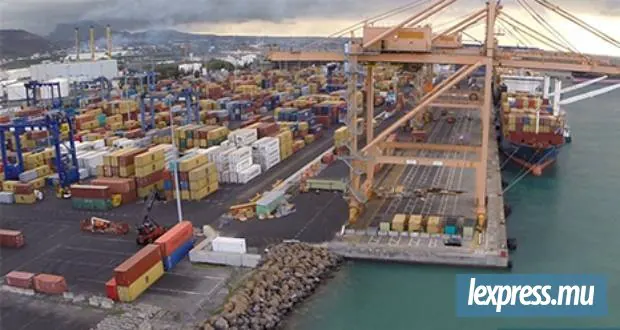
The Mauritian economy continues to grapple with a structurally deficit trade balance. According to Statistics Mauritius, the country's total merchandise exports reached Rs 10.8 billion in July 2026, marking a 10.7% increase from June 2026 and a 23.5% rise compared to the same period last year. However, this figure represents a slight 3% decline compared to May 2024.
The growth in exports is primarily attributed to the surge in domestic exports, which rose by 22.7% from April. Conversely, re-exports experienced a decline during the same period. Meanwhile, imports continued their upward trend, reaching Rs 27.2 billion, representing a 1% increase from April 2025 and an 8.7% rise compared to May 2024.
This dynamic has led to a trade deficit of Rs 17 billion in May 2025, which is 6.8% lower than the previous month but 16.9% higher than the same period last year. The last fiscal year reported a significant trade deficit of Rs 203.7 billion, accounting for 29.4% of the country's Gross Domestic Product for the 2024-2025 fiscal year.
Examining import categories, food and live animals cost Rs 5 billion, representing a substantial portion of the total and reflecting the country's persistent food dependency. Fuel and lubricant purchases amounted to Rs 6 billion, a significant burden on the external bill. Machinery and transport equipment imports, essential for productive investment, totaled Rs 6.7 billion.
In terms of exports excluding fuels, performance was driven by diverse manufactured products worth Rs 1.9 billion and other manufactured goods (materials) valued at Rs 954 million. Notable contributions also came from chemical products (Rs 384 million) and food items (Rs 2.9 billion). Major trading partners remain concentrated among a few countries, with South Africa being the top export market (Rs 883 million), followed by the United States (Rs 743 million), Madagascar, the United Kingdom, France, and Spain.
These six countries account for over 58% of Mauritian exports. For imports, China dominates with a bill of Rs 4.9 billion, representing 18.1% of the total, followed by the United Arab Emirates (Rs 4.4 billion) and India (Rs 2.3 billion). France and South Africa complete the top 5, reflecting a strong dependence on Asia and the Middle East for consumer goods and strategic inputs.
These figures confirm that despite an encouraging rebound in exports, the structural trade imbalance persists. The country's vulnerability to fluctuations in global prices, particularly energy and food products, underscores the need for a strategy to diversify exports and substitute imports. Enhancing the competitiveness of export sectors and achieving food self-sufficiency should remain economic priorities.
Key points
- - The Mauritian economy faces a persistent trade deficit despite a rebound in exports. - The country's exports were valued at Rs 10.8 billion in July 2026, with a 10.7% monthly increase. - China is the leading import partner, while South Africa tops the list for exports.