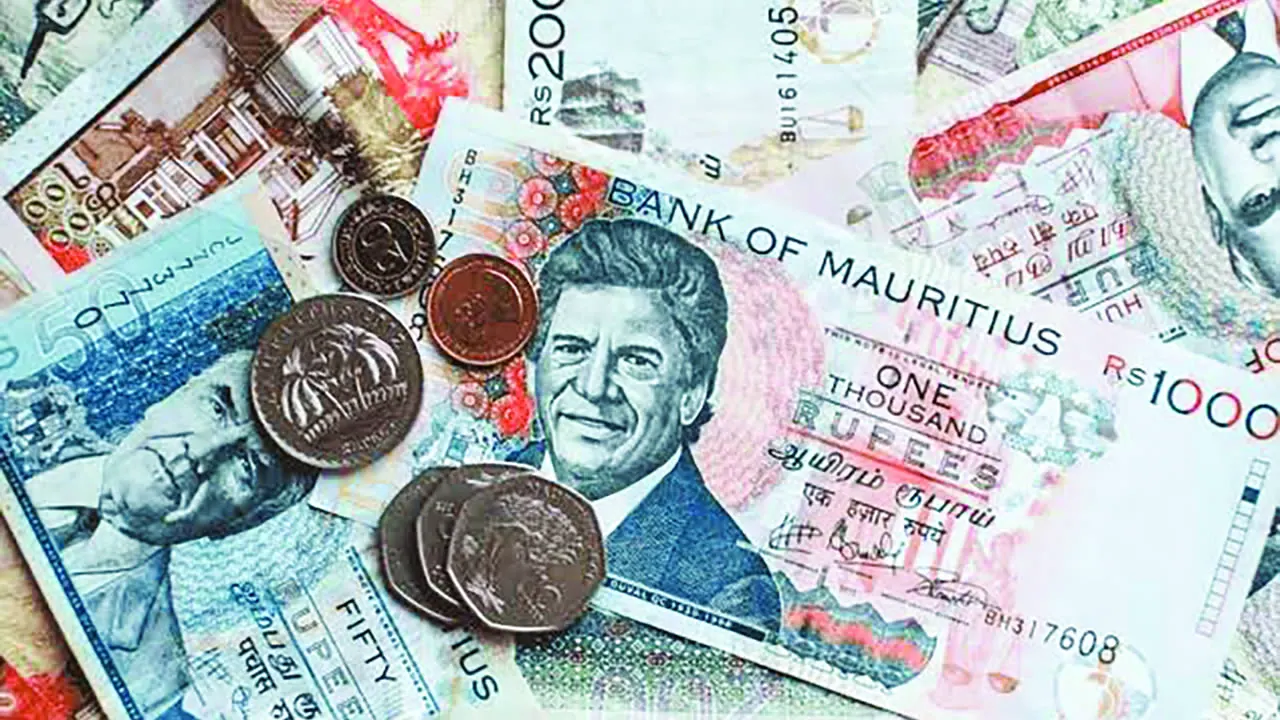
The Mauritius rupee has demonstrated signs of improvement over the past three months, although its trajectory remains fragile over a one-year period. According to CareEdge Ratings Africa's "Mauritius Economy Update" for September, the rupee's performance is impacted by the country's trade deficit, high demand for foreign currency, and the strength of the US dollar. As of August, the rupee averaged Rs 47.60 per dollar.
Over the three months leading up to August, the rupee appreciated by 1.4% against the US dollar, despite a cumulative depreciation of 1.1% between March and August. However, on a yearly basis, the rupee depreciated by 3.1% compared to the dollar. In terms of monthly variation, the rupee recorded an appreciation of 0.6% in August. This mixed performance reflects the ongoing challenges facing the currency.
Against the euro, the rupee averaged Rs 55.20 in August. Over the three months to August, it appreciated by 0.8%, but displayed a cumulative depreciation of 0.7% between March and August. On a yearly basis, the rupee declined by 2.2% against the European currency and depreciated by 0.8% in August 2026. These movements highlight the rupee's vulnerability to external factors.
CareEdge Ratings Africa identified three key reasons for the rupee's persistent downward pressure. Firstly, Mauritius's structural trade deficit continues to impact the currency. Secondly, the sustained demand for foreign currencies to finance imports adds to the pressure. Finally, the strength of the US dollar contributes to the rupee's fragility. These factors are closely monitored by financial analysts and policymakers.
The Bank of Mauritius has continued to support the foreign exchange market through targeted interventions, injecting a cumulative $80 million between January and September 2026. This represents a decrease from $115 million during the same period in 2025. The lower level of interventions may indicate an improvement in liquidity in the foreign exchange market, although underlying demand for foreign currencies remains high.
Looking ahead, the evolution of the exchange rate will be influenced by tourist revenues, export earnings, global commodity prices, and the overall dynamics of the US dollar. In this context, the Bank of Mauritius is expected to continue intervening proactively to maintain orderly conditions in the foreign exchange market. This approach aims to mitigate the rupee's volatility and promote economic stability.
The ongoing efforts to stabilize the rupee and address the trade deficit are crucial for Mauritius's economic resilience. As the country navigates these challenges, the performance of the rupee will remain a key indicator of its economic health. Policymakers and financial analysts will closely monitor the situation to ensure that the necessary measures are taken to support the currency and promote sustainable economic growth.
Key points
- The rupee's improvement over three months is overshadowed by a 3.1% yearly depreciation against the US dollar.
- The trade deficit, high demand for foreign currencies, and dollar strength are key factors affecting the rupee's performance.
- The Bank of Mauritius has injected $80 million into the foreign exchange market between January and September 2026.