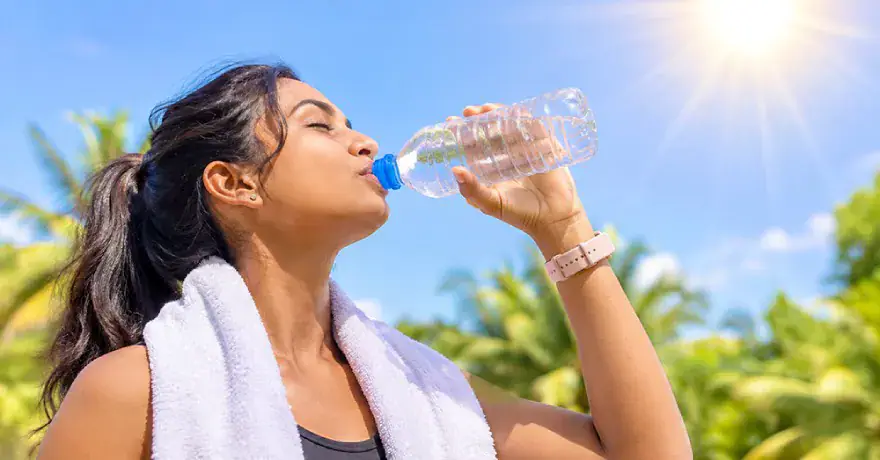
Dehydration is a condition that occurs when the body loses more water than it takes in. This can happen due to various factors such as not drinking enough water, excessive sweating, intense physical activity, fever, vomiting, or diarrhea. According to Shivani Poinoosawmy, a clinical and sports dietician, dehydration can affect anyone, regardless of their physical activity level, especially in Mauritius' hot and humid climate.
The signs of dehydration can be subtle, but it's essential to recognize them to take prompt action. Common symptoms include thirst, fatigue, headaches, dry mouth, dizziness, and dark-colored urine. In athletes, dehydration can lead to decreased endurance, increased fatigue, and reduced performance. Older adults and young children are also vulnerable to dehydration and may exhibit different symptoms, such as dry mouth, sunken eyes, or fewer wet diapers.
Urine color can be an indicator of hydration levels. Dark-colored urine can indicate dehydration, while pale yellow urine is a sign of proper hydration. Certain foods, medications, and vitamins can also change urine color, so it's essential to consult a doctor if unusual coloration persists. Dehydration can have severe consequences if left untreated, including decreased blood pressure, rapid heartbeat, and impaired kidney function.
The daily water intake recommendations vary depending on age, weight, physical activity, and climate. According to the European Food Safety Authority (EFSA), the recommended daily intake is approximately 2 liters for women and 2.5 liters for men. In Mauritius, the hot and humid climate may require higher water intake, especially for individuals who work outdoors or engage in sports.
Hydration can be achieved not only through drinking water but also through consuming foods rich in water content. Fruits and vegetables like watermelon, melon, cucumber, lettuce, and tomatoes are excellent sources of water. Soups and vegetable broths are also good options. Shivani Poinoosawmy recommends incorporating these foods into meals and snacks to complement water intake.
In cases of dehydration, it's essential to stop physical activity and rest in a cool place. Drinking water or electrolyte-rich beverages can help replenish lost fluids. In severe cases, medical attention may be necessary to prevent complications. Shivani Poinoosawmy advises drinking regularly throughout the day, rather than consuming large amounts of water at once.
By recognizing the signs of dehydration and taking preventive measures, individuals can protect their health, especially during hot and humid weather. Drinking enough water, consuming hydrating foods, and being mindful of urine color can help maintain proper hydration levels. If symptoms persist or worsen, seeking medical attention is crucial to prevent complications.
Key points
- Drinking enough water is essential to prevent dehydration, especially in hot and humid climates.
- Recognizing the signs of dehydration, such as dark-colored urine, fatigue, and headaches, can help individuals take prompt action.
- Consuming foods rich in water content, such as fruits and vegetables, can complement water intake and help maintain proper hydration levels.