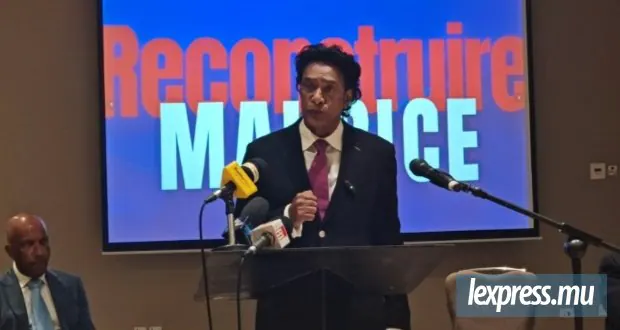
On October 9, 2026, the Rassemblement Mauricien, led by Nando Bodha, held a press conference at the Hennessy Park hotel in Ebène to address pressing national issues. The party proposed several measures to mitigate the effects of the water crisis, rising fuel costs, and concerns surrounding the National Crime Agency Bill. Bodha emphasized the need for better coordination of emergency measures and increased transparency.
The water crisis in Mauritius has reached alarming levels, with a significant decline in water production at Mare-aux-Vacoas. According to figures presented by Bodha, production has dropped from approximately 110,000 cubic meters per day to 58,000 cubic meters, resulting in a daily deficit of around 40,000 cubic meters. To address this issue, the Rassemblement Mauricien proposes the creation of a National Emergency Command Centre to coordinate interventions and target the most affected regions.
The proposed National Emergency Command Centre would operate 24/7 and comprise relevant authorities, local authorities, police, meteorologists, experts, and the private sector. Measures to address the water crisis include utilizing rivers and boreholes, mobilizing tanker trucks, and urgently repairing leaks. Bodha also stressed the importance of equitable water distribution and improved communication with the population. In the long term, he recommends conducting a hydrological study to anticipate the effects of climate change.
The rising cost of fuel is another pressing concern, with Bodha stating that it directly affects purchasing power and business costs. He proposed that the government temporarily forego approximately Rs 1.2 billion in monthly revenue from the pricing mechanism to cushion the impact of the increase. Manoj Ramdin, executive director of Petro-Tec in Mauritius, noted that the country is heavily dependent on energy imports, with around 90% of its energy consumption being imported.
Ramdin highlighted that the price of fuel depends on international prices, negotiated premiums with suppliers, exchange rates, and VAT. He also noted that the premium has increased from an average of $6 to $15. Ramdin advocates for greater transparency on these costs and a long-term energy strategy, including the development of solar energy and petroleum storage capacities.
The Rassemblement Mauricien has also expressed concerns regarding the National Crime Agency Bill. Bodha emphasized that the fight against drugs, fraud, and corruption must be accompanied by mechanisms to control institutions responsible for these missions. Kailash Trilochun, a representative of the party, contested certain provisions of the bill, which he believes could reduce the investigative powers currently exercised by the police under judicial control.
The party is demanding a thorough examination of the bill and a public debate on its implications for fundamental rights. The Rassemblement Mauricien's proposals aim to address the pressing issues facing Mauritius, including the water crisis, rising fuel costs, and concerns surrounding the National Crime Agency Bill. The party's leader, Nando Bodha, emphasized the need for swift action to mitigate the effects of these crises and ensure the well-being of the population.
Key points
- The Rassemblement Mauricien proposes the creation of a National Emergency Command Centre to coordinate interventions and address the water crisis.
- The party recommends that the government temporarily forego approximately Rs 1.2 billion in monthly revenue from the pricing mechanism to cushion the impact of rising fuel costs.
- The Rassemblement Mauricien has expressed concerns regarding the National Crime Agency Bill, citing the need for mechanisms to control institutions responsible for fighting drugs, fraud, and corruption.