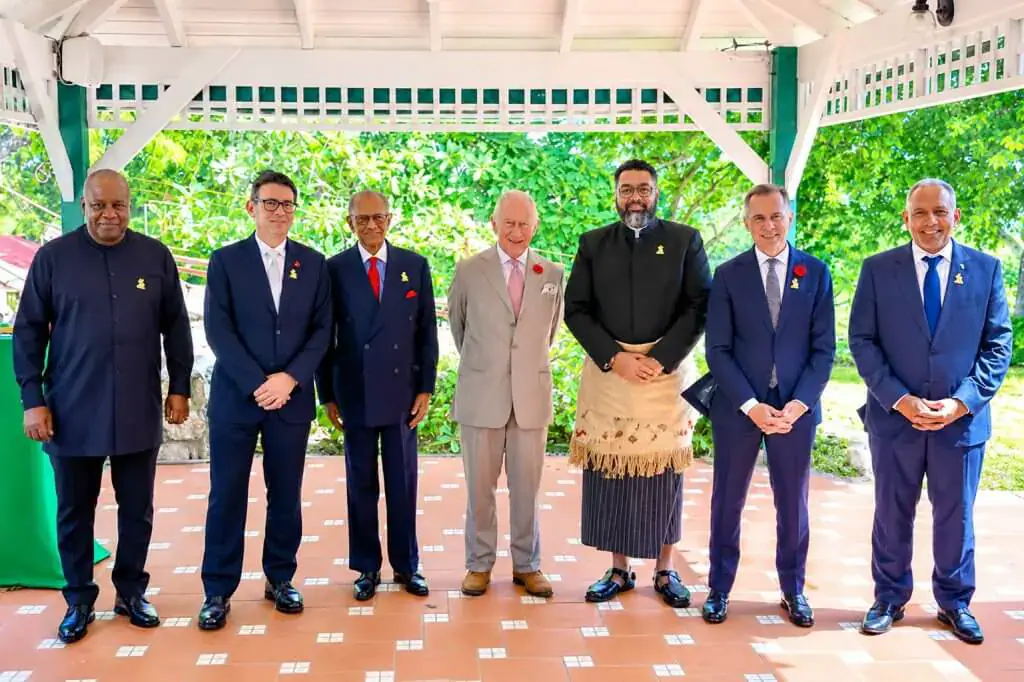
Prime Minister Navin Ramgoolam of Mauritius recently attended the 28th Commonwealth Heads of Government Meeting in Antigua and Barbuda, where he met with global leaders and participated in discussions on shared prosperity. The meeting's theme, "Accelerating Partnerships and Investment for a Prosperous Commonwealth," aimed to promote investments, cooperation, and economic growth among member states. Ramgoolam's attendance at the meeting was accompanied by his wife, Veena.
This trip has raised questions about the cost of such diplomatic missions and their concrete benefits to Mauritius. The Prime Minister's schedule has been particularly busy, with multiple international trips since taking office. In 2025, he visited Ethiopia for the African Union summit, Madagascar for the Indian Ocean Commission summit, France for the UN Ocean Conference, Japan for the TICAD meeting, and India for a state visit. In 2026, he traveled to India for an artificial intelligence summit, Nairobi for the Africa Forward summit, and London for discussions on the Chagos issue.
Ramgoolam had previously cited the high cost of airfare and accommodation as reasons for declining an invitation to the UN General Assembly in New York. However, his recent trips to Antigua and Barbuda and upcoming visit to Paris have sparked concerns about the government's travel expenses. The Prime Minister's diplomatic efforts are crucial for representing Mauritius internationally, but the public is seeking more transparency about the costs and benefits of these trips.
According to information provided to the Parliament, the 109 official missions conducted by ministers and government representatives since December 2024 have cost approximately Rs 42.7 million. This figure does not include the Prime Minister's personal travel expenses but provides an indication of the significant public spending on international travel. The Mauritian government is under pressure to manage its finances, and citizens are being asked to make budgetary sacrifices.
The Prime Minister had previously stated that he would exercise caution when accepting international invitations, claiming that he had received 55 invitations but only accepted three. However, his current travel schedule suggests a more frequent presence at international events. The government is expected to provide more information about the outcomes of these diplomatic missions, including any agreements, investments, or economic benefits secured for Mauritius.
The issue has sparked a debate about the need for greater accountability and transparency in government spending on international travel. While diplomatic efforts are essential for a small island nation like Mauritius, the public is seeking more concrete results from these trips. The government must demonstrate that these missions yield tangible benefits for the country and its citizens.
As Ramgoolam prepares for his 12th foreign trip since December 2024, the focus is on the expected outcomes of these diplomatic efforts. The Prime Minister's travel schedule will continue to be scrutinized, and the government is expected to provide regular updates on the costs and benefits of these international missions.
Key points
- The Prime Minister of Mauritius has undertaken 12 foreign trips since December 2024.
- The cost of these diplomatic missions has raised concerns about the impact on the state's finances.
- The government is expected to provide more transparency about the outcomes and benefits of these international trips.