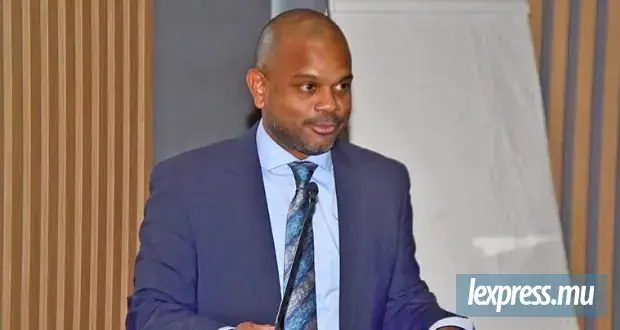
Terry Antoinette, Head of Africa and Middle East at DTOS, recently attended the Africa Financial Services Investment Conference (AFSIC) in London, where he analyzed the challenges of financing African projects and the role of Mauritius in investment flows to the continent. Antoinette highlighted that African markets are often perceived as riskier, sometimes unfairly, due to factors such as monetary volatility and public debt. He emphasized the need for a thorough understanding of the African market and its potential.
According to Antoinette, several sectors in Africa are expected to attract significant investments over the next three to five years, including energy and sustainable infrastructure. Many African countries have initiated their energy transition, and there is a high demand for solar and wind capacities, as well as logistics and data storage infrastructure. The agro-industry is another sector poised for growth, driven by the need for food security and modernization of local value chains.
The fintech sector is also expected to grow, driven by the increasing adoption of digital payment solutions and financial inclusion. However, Antoinette identified three key risks that could hinder capital flows to Africa: monetary volatility and public debt, regulatory and political instability, and the global economic climate. These factors can reduce returns on investment and increase the cost of capital.
Many African projects struggle to access international financing due to a lack of bankability, which refers to the difficulty in meeting investor funding criteria. DTOS offers support to investors looking to develop projects in Africa, covering project conception, legal and tax structuring, and compliance. The goal is to provide comprehensive support that adheres to international best practices.
With a presence in Mauritius, Dubai, Rwanda, and Kenya, DTOS leverages its local teams to advise clients and propose tailored strategies, particularly in response to changes in African tax regimes. Mauritius is well-positioned to facilitate investments into Africa, thanks to its extensive network of treaties and agreements, including investment promotion and protection agreements.
The Mauritius International Financial Centre is seen as a reliable and credible platform for investments into Africa. While other financial centers like Nairobi, Kigali, and Dubai play important roles, Mauritius focuses on structuring holdings, fund management, and cross-border governance. This positions Mauritius as a complementary hub rather than a direct competitor.
Good governance, financial transparency, and compliance are essential for African enterprises to access international capital. Investors impose strict norms on governance, ethics, and customer due diligence, and financial centers must adhere to anti-money laundering and terrorism financing regulations. Failure to comply with these rules can have serious consequences.
Key points
- Mauritius offers a reliable and credible platform for investments into Africa through its extensive network of treaties and agreements.
- The energy and sustainable infrastructure sectors are expected to attract significant investments in Africa over the next three to five years.
- Good governance, financial transparency, and compliance are crucial for African enterprises to access international capital.