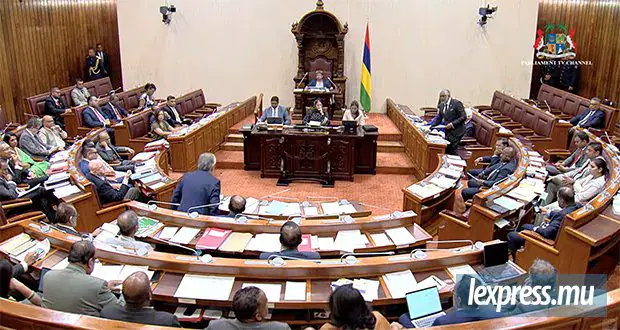
The Mauritian parliament session began on a calm note at 11:33 am, with Speaker of the House addressing a campaign against gender-based violence. However, the atmosphere quickly turned tense when opposition leader Chetan Baboolall raised a point of questioning regarding the foot-and-mouth disease outbreak. Agriculture Minister Arvin Boolell responded, warning that his answer would be lengthy.
The debate centered on the number of cattle on a farm in Notre-Dame that was infected with the disease. According to a report on the World Animal Health Information System, there were 15 animals on the farm. However, the opposition claimed there were 14, while the minister stated that there were 16, citing that no deaths had been reported. The minister's response was met with skepticism by opposition members.
The opposition also questioned the origin of the cattle, with the minister admitting that he did not have the information. Furthermore, he was unable to provide details on the serotype O mentioned in the report, stating that he could not speculate. The opposition also raised concerns about a payment of Rs 124,000 for an animal purchased from Socovia, which the minister described as a business deal.
The debate became increasingly heated, with opposition deputy Joanna Bérenger expressing frustration with the minister's responses. At one point, she interjected without being recognized, prompting the Speaker to intervene and restore order. The tension continued to rise, with the opposition leader accusing the minister of speculating about the disease, leading to a stern rebuke from the minister.
The Speaker eventually intervened, reminding members that the day was still young and that they should refrain from making inflammatory comments. The session was subsequently adjourned, with many members appearing dissatisfied with the exchange. The foot-and-mouth disease outbreak has sparked concerns about the government's handling of the situation, with the opposition demanding greater transparency.
A total of 6,281 animals imported from Namibia have been placed in quarantine, and the government has announced plans to review the existing legal framework to address the outbreak. The situation remains a pressing concern for the Mauritian authorities, who are working to contain the spread of the disease and prevent further outbreaks.
The incident has also raised questions about the government's communication strategy and its ability to provide accurate and timely information to the public. The opposition has vowed to continue pressing for answers, while the government has pledged to take all necessary measures to address the crisis.
Key points
- The Mauritian government has reported 6,281 animals imported from Namibia have been placed in quarantine due to the foot-and-mouth disease outbreak.