The introduction of Kreol Morisien (KM) to the National Assembly of Mauritius has sparked a broader debate on linguistic diversity and equality. A Select Committee, established on August 4, is currently examining the use of KM in parliamentary proceedings. This development has been welcomed by some as a step towards greater inclusivity, but others argue that it should also consider the country's other languages.
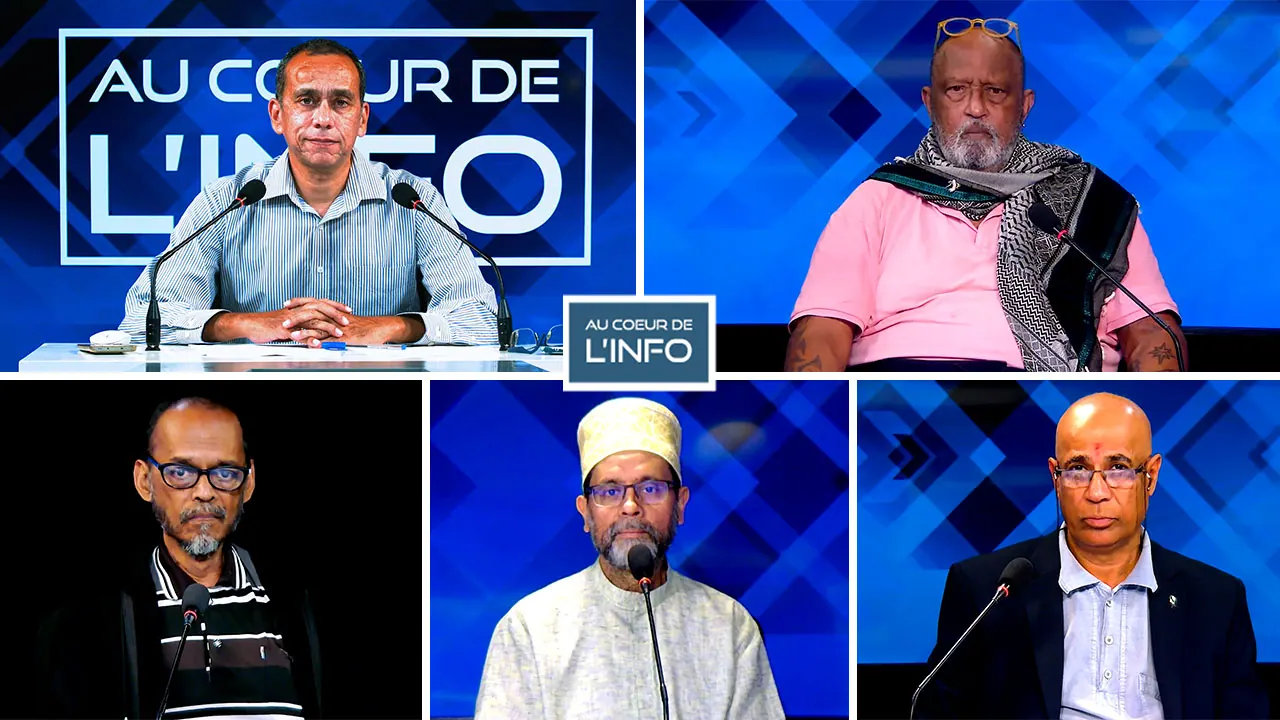
The National Human Rights Commission (NHRC) has released a Position Paper on Language Rights in the National Assembly, which suggests that the debate should not be limited to KM alone. The NHRC's Jean-Marie Richard stated that the paper is part of a consultative process and highlights the importance of considering other languages spoken in Mauritius, including Bhojpuri, Hindi, Urdu, Marathi, Tamil, Telugu, Mandarin, and Hakka.
According to Jean-Marie Richard, the issue at stake is not just about language rights but also about the functioning of democracy. He argued that if an elected representative is unable to express themselves in a language they are familiar with, it poses a problem for democratic participation. The NHRC's paper aims to promote linguistic equality and ensure that all citizens can participate fully in the democratic process.
The history of KM in Mauritius dates back several decades, with activists and educators advocating for its recognition as an official language. Alain Ah Vee from Ledikasyon Pou Travayer recalled the mobilizations of the 1970s, particularly the student movements of May 1975, which pushed for the use of KM in public institutions. He described the current development as a "historical process."
Alain Ah Vee emphasized that the issue is not just about recognizing KM but also about improving the quality of public debates. He argued that allowing elected representatives to express themselves in their native language would enable them to participate more effectively in parliamentary proceedings and ensure that citizens can understand the debates and decisions that affect them.
Other stakeholders, such as pundit Sunjay Munbodh, have expressed support for the introduction of KM while also advocating for the recognition of other ancestral languages, including Bhojpuri. Munbodh emphasized the importance of preserving linguistic diversity and promoting equality of opportunity and non-discrimination. He argued that the goal is not to create conflict or competition between languages but to promote "openness in plurality."
The debate on linguistic diversity in Mauritius is ongoing, with various stakeholders weighing in on the issue. While some argue that recognizing KM is essential for promoting inclusivity, others emphasize the importance of considering the country's other languages. Ultimately, the decision on the use of languages in the National Assembly rests with Parliament, which must balance the competing demands and interests of different linguistic groups.
Key points
- The introduction of Kreol Morisien to the National Assembly has sparked a debate on linguistic diversity and equality in Mauritius.
- The National Human Rights Commission has called for a broader consideration of language rights, including the recognition of other languages spoken in Mauritius.
- Stakeholders emphasize the importance of promoting linguistic equality, preserving cultural heritage, and ensuring that all citizens can participate fully in the democratic process.