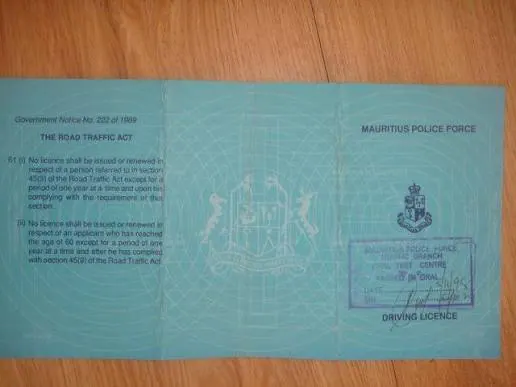
Despite the government's efforts to promote a futuristic Mauritius with artificial intelligence, the country's administrative daily life remains largely rooted in 20th-century bureaucracy. The driving license, a symbol of this technological lag, continues to be issued in a cumbersome, blue cardboard format. This outdated document is too large to fit in a modern wallet or purse, often becoming bent, torn, or damaged after a few months of use.
The impracticality of the driving license reaches its peak during road checks. While authorities suggest using the KOREK mobile application to present a digital license, the reality on the ground and regulatory rigidity create confusion among motorists. Issues with mobile network coverage, access bugs to the MauPass application, and the strict requirement to display either the original physical document or a specific digital format lead to difficulties for citizens.
The fragile nature of the cardboard license makes it nearly impossible to transport daily without damaging it. Failure to present the license immediately results in an infringement notice requiring a personal visit to a police station within five days. In case of loss or deterioration of the license, the penalty is immediate: a challenging administrative process at the Traffic Branch, involving police statements, handwritten forms, and long queues at the counter.
The Mauritian government's focus on advanced algorithmic revolutions for political communication seems misplaced when everyday issues remain unresolved. To achieve genuine modernization, the state should prioritize digitizing and securing public databases, ensuring interconnection between police and transport systems, and replacing the outdated cardboard license with a secure, rigid card in the international standard format.
Many countries have adopted rigid, chip-embedded cards for driving licenses over two decades ago. In contrast, Mauritius continues to issue the bulky, blue cardboard format, which is no longer suitable for modern wallets or purses. This anachronistic document has become a daily challenge for motorists, who often struggle to carry and present it without damage.
The authorities' efforts to introduce a digital license through the KOREK application are hindered by technical issues and regulatory constraints. Motorists face difficulties accessing the application, and the requirement to display a specific digital format creates confusion. The situation highlights the need for a more efficient and practical solution for driving licenses in Mauritius.
Replacing the outdated cardboard license with a modern, secure card would be a significant step towards modernizing the country's administrative processes. It would also alleviate the daily struggles of motorists, who deserve a more efficient and practical solution for their driving licenses. The government should prioritize this issue and work towards implementing a more suitable and secure driving license system.
Key points
- The government should prioritize replacing the outdated cardboard driving license with a secure, rigid card in the international standard format.